
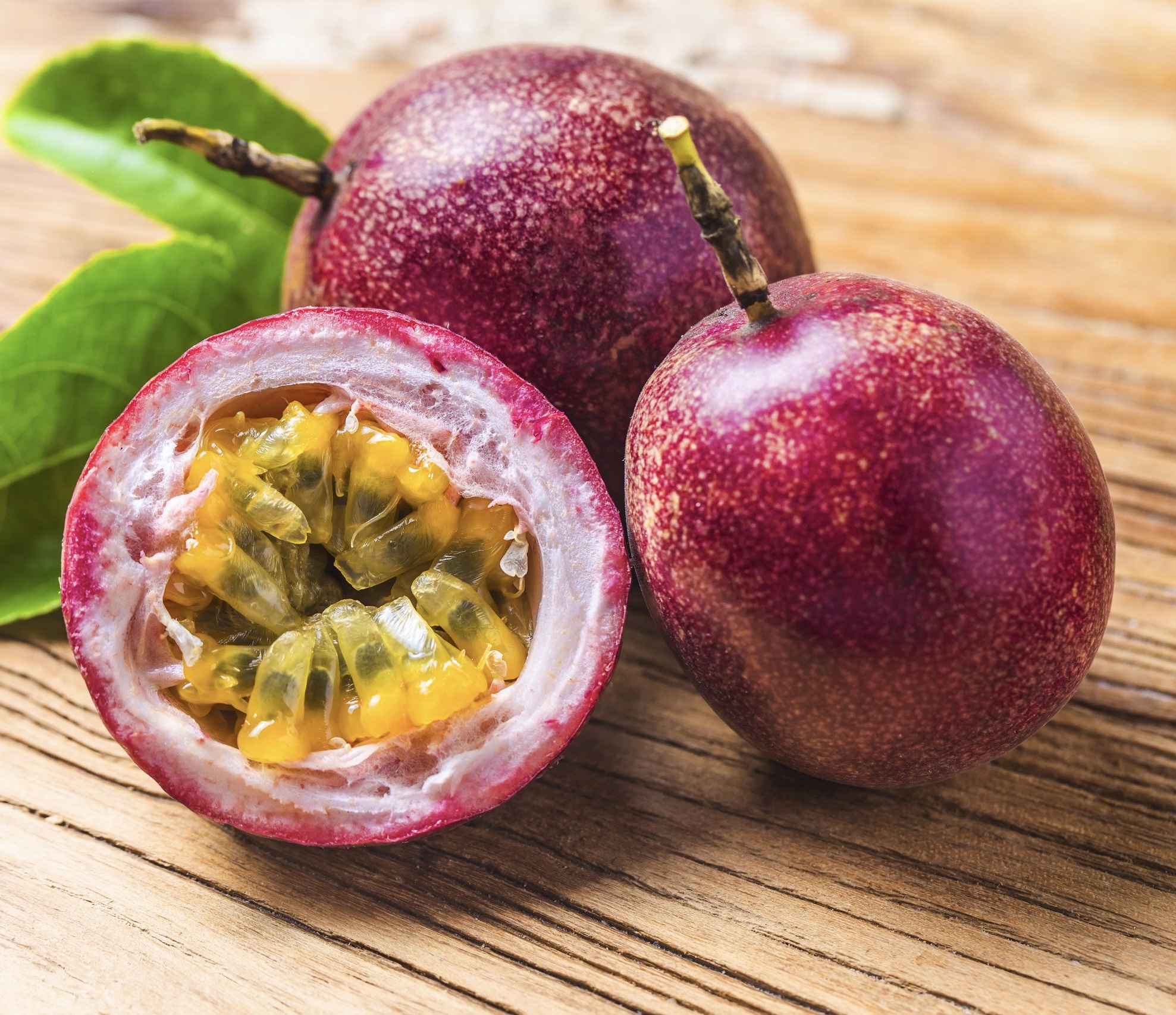
About the speciesABOUT THE SPECIES — Red/purple-skinned Passiflora edulis with its seed-filled aromatic pulp. This listing contains seeds for planting; fruit is not included.
Passion Fruit & Fruiting Vines
Red / Purple Passion Fruit Seeds
Passiflora edulis Sims
Purple Passion Fruit • Parcha Morada • Maracuyá
$5.06for 25 Seeds
SEEDS FOR PLANTING
FREE SHIPPING
In stock — packed and shipped within 1–2 business days
This listing contains Passiflora edulis SEEDS FOR PLANTING—not fruit and not a live vine. Select your quantity above; FREE SHIPPING applies to every option.
Choose your pack size
Home garden
Bulk
Free shipping applies to every pack size.
1
Red/purple-fruited Passiflora edulis seeds for planting—Parcha Morada or Purple Passion Fruit. Choose the same 25, 50, 100 or 1,000-seed packs as Yellow Passion Fruit, with free shipping.
- Free shipping on this listing
- Secure encrypted checkout
- Carefully packed in Puerto Rico
- Detailed growing guide included
- Scientific name
- Passiflora edulis Sims
- Family
- Passifloraceae
- Type
- Red-to-purple-fruited source; no named cultivar
- Product type
- Seeds for planting
- Habit
- Vigorous tendril-climbing vine requiring strong support
- Light
- Full sun once established; protect new seedlings initially
- Sowing depth
- About 1/4 to 1/2 inch
- Germination
- Variable and often irregular under warm conditions
- Soil
- Fertile, airy and well-draining
- Water
- Regular moisture without prolonged saturation
Red/Purple Passion Fruit brings together an ornamental flower, an energetic climbing habit and one of the tropics' most aromatic fruits. The vine attaches by curling tendrils and needs a strong support planned before growth becomes heavy.
Mature fruit from this source ranges from red-purple to deeper purple. Inside, translucent golden pulp surrounds numerous seeds, with a concentrated fragrance and sweet-tart flavor whose balance varies among fruit and plants.
Purple/red-skinned and yellow-skinned passion fruit are generally treated within the same botanical species, Passiflora edulis. Customers may notice differences in skin color, fruit size, acidity, aroma and vigor, but seed-grown offspring vary and no exact trait is promised.
Parcha morada and maracuyá are useful regional names. Granadilla can be used loosely for passion fruits in some places, but this listing is not sweet granadilla, Passiflora ligularis.
What You Receive
- 25 Red/Purple Passion Fruit seeds
- Passiflora edulis seeds for planting
- Red-to-purple-skinned source fruit
- Seeds only—no fruit and no live vine
- Free shipping
- Access to the shared Passiflora edulis growing guide
This listing contains Passiflora edulis SEEDS FOR PLANTING—not fruit and not a live vine. Select your quantity above; FREE SHIPPING applies to every option.
Seeds Only — Fruit Is Not Included
The supplied photographs show the red/purple source fruit and mature species. This package contains seeds for planting, not edible fruit or a live vine.
No named cultivar is claimed. Seed-grown plants vary naturally in vigor, fruit color, size, flavor, acidity, aroma and productivity.
Germination percentage, emergence timing, flowering, pollination, fruiting age and yield are not guaranteed.
From seed to trellis
Starting Red/Purple Passion Fruit Seeds
- 1
Clean the seed
Remove any pulp residue and rinse clean; sugary pulp left on the seed encourages mold.
- 2
Hydrate if desired
An optional 12–24 hour soak in clean room-temperature water can hydrate the seed coat. Sow promptly afterward.
- 3
Prepare an airy mix
Use a fine, fertile seed-starting medium with enough perlite or similar material to drain freely.
- 4
Sow shallowly
Place seeds about 1/4 to 1/2 inch deep, cover lightly and firm the surface without compacting it.
- 5
Keep warm and evenly moist
Stable warmth favors germination. Maintain moisture without saturation; cold wet media encourage decay.
- 6
Allow variable emergence
Passiflora germination can be irregular. Keep sound trays warm and moist rather than disturbing or discarding them early.
- 7
Pot on carefully
When seedlings have several true leaves and a sound root system, transplant with the root ball intact.
- 8
Install support early
Guide young vines toward a strong trellis; their tendrils will attach as growth accelerates.
CORRECT ✓
Clean seed sown 1/4 to 1/2 inch deep in warm, evenly moist, airy medium with a support ready for later growth.
AVOID ✕
Deep sowing, cold saturated soil, repeated drying, disturbing slow seeds, or letting a vigorous vine grow without structural support.
Purple and Yellow, One Species
Red/purple and yellow passion fruit are both Passiflora edulis. Their most visible difference is mature skin color, while growers may also notice tendencies in fruit size, acidity, aroma, climate response and vine vigor.
Those are tendencies, not guarantees for a seed-grown individual. This listing makes no named-cultivar claim and does not confuse P. edulis with Passiflora ligularis.
Fresh fruit FAQ
Questions about fresh cacao pods
- Is this a different species from Yellow Passion Fruit?
- No. Both are Passiflora edulis. They represent different fruit-color source types within the same species rather than separate species.
- Is this sweet granadilla?
- No. This listing is Passiflora edulis, not Passiflora ligularis, which is commonly called sweet granadilla.
- How predictable is the fruit color from seed?
- The source fruit is red to purple, but seed-grown vines vary. Exact color, flavor, fruit size, productivity and fruiting time are not guaranteed.
- Does the vine need support?
- Yes. Plan a sturdy trellis, fence, arbor or wire system early; tendrils attach as the vigorous vine develops.
A Vine Built to Climb
Passion fruit extends rapidly under favorable conditions and secures itself with slender curling tendrils. A strong trellis, fence, arbor or wire system should be ready before the vine becomes heavy.
Train a main leader toward the support, then guide lateral growth where it can receive sun and remain accessible. Containers are possible when both root volume and climbing structure are generous.
Fresh fruit FAQ
Questions about fresh cacao pods
- Is this a different species from Yellow Passion Fruit?
- No. Both are Passiflora edulis. They represent different fruit-color source types within the same species rather than separate species.
- Is this sweet granadilla?
- No. This listing is Passiflora edulis, not Passiflora ligularis, which is commonly called sweet granadilla.
- How predictable is the fruit color from seed?
- The source fruit is red to purple, but seed-grown vines vary. Exact color, flavor, fruit size, productivity and fruiting time are not guaranteed.
- Does the vine need support?
- Yes. Plan a sturdy trellis, fence, arbor or wire system early; tendrils attach as the vigorous vine develops.
From Flower to Aromatic Pulp
The elaborate passion flower carries a fringed corona and reproductive structures held above the petals and sepals. Fruit set depends on successful pollination; large bees can be effective visitors, while hand pollination is sometimes used where pollinators are limited.
After successful set, fruit enlarges and the skin colors as it matures. Inside, aromatic pulp surrounds numerous seeds. Flavor commonly combines sweetness and acidity, but the balance varies naturally.
Fresh fruit FAQ
Questions about fresh cacao pods
- Is this a different species from Yellow Passion Fruit?
- No. Both are Passiflora edulis. They represent different fruit-color source types within the same species rather than separate species.
- Is this sweet granadilla?
- No. This listing is Passiflora edulis, not Passiflora ligularis, which is commonly called sweet granadilla.
- How predictable is the fruit color from seed?
- The source fruit is red to purple, but seed-grown vines vary. Exact color, flavor, fruit size, productivity and fruiting time are not guaranteed.
- Does the vine need support?
- Yes. Plan a sturdy trellis, fence, arbor or wire system early; tendrils attach as the vigorous vine develops.
Sun, Water and Feeding
- Move seedlings progressively into stronger light; established vines favor full sun
- Use fertile, airy soil that drains freely
- Water consistently during establishment without keeping roots saturated
- Feed moderately during active growth; excess nitrogen can favor leaves over flowers
- Protect young vines from frost and prolonged cold
- In containers, expect closer attention to moisture, nutrition and pruning
Fresh fruit FAQ
Questions about fresh cacao pods
- Is this a different species from Yellow Passion Fruit?
- No. Both are Passiflora edulis. They represent different fruit-color source types within the same species rather than separate species.
- Is this sweet granadilla?
- No. This listing is Passiflora edulis, not Passiflora ligularis, which is commonly called sweet granadilla.
- How predictable is the fruit color from seed?
- The source fruit is red to purple, but seed-grown vines vary. Exact color, flavor, fruit size, productivity and fruiting time are not guaranteed.
- Does the vine need support?
- Yes. Plan a sturdy trellis, fence, arbor or wire system early; tendrils attach as the vigorous vine develops.
Mistakes That Slow the Journey
- Giving up on irregular germination too soon
- Sowing deeply or keeping trays cold and waterlogged
- Leaving seedlings in weak light until they stretch
- Damaging roots during transplanting
- Providing a support too small for a mature vine
- Overfeeding nitrogen while expecting flowers
- Assuming flowers guarantee fruit without effective pollination
Fresh fruit FAQ
Questions about fresh cacao pods
- Is this a different species from Yellow Passion Fruit?
- No. Both are Passiflora edulis. They represent different fruit-color source types within the same species rather than separate species.
- Is this sweet granadilla?
- No. This listing is Passiflora edulis, not Passiflora ligularis, which is commonly called sweet granadilla.
- How predictable is the fruit color from seed?
- The source fruit is red to purple, but seed-grown vines vary. Exact color, flavor, fruit size, productivity and fruiting time are not guaranteed.
- Does the vine need support?
- Yes. Plan a sturdy trellis, fence, arbor or wire system early; tendrils attach as the vigorous vine develops.
Why grow it
Why grow Red/Purple Passion Fruit?
Passiflora edulis red-to-purple fruit source
Spectacular passion flowers
Vigorous tendril-climbing habit
Aromatic seed-filled pulp
Strong candidate for trellises and arbors
Same carefully matched pack structure as Yellow Passion Fruit
Free shipping on every quantity
You may also like
Related products
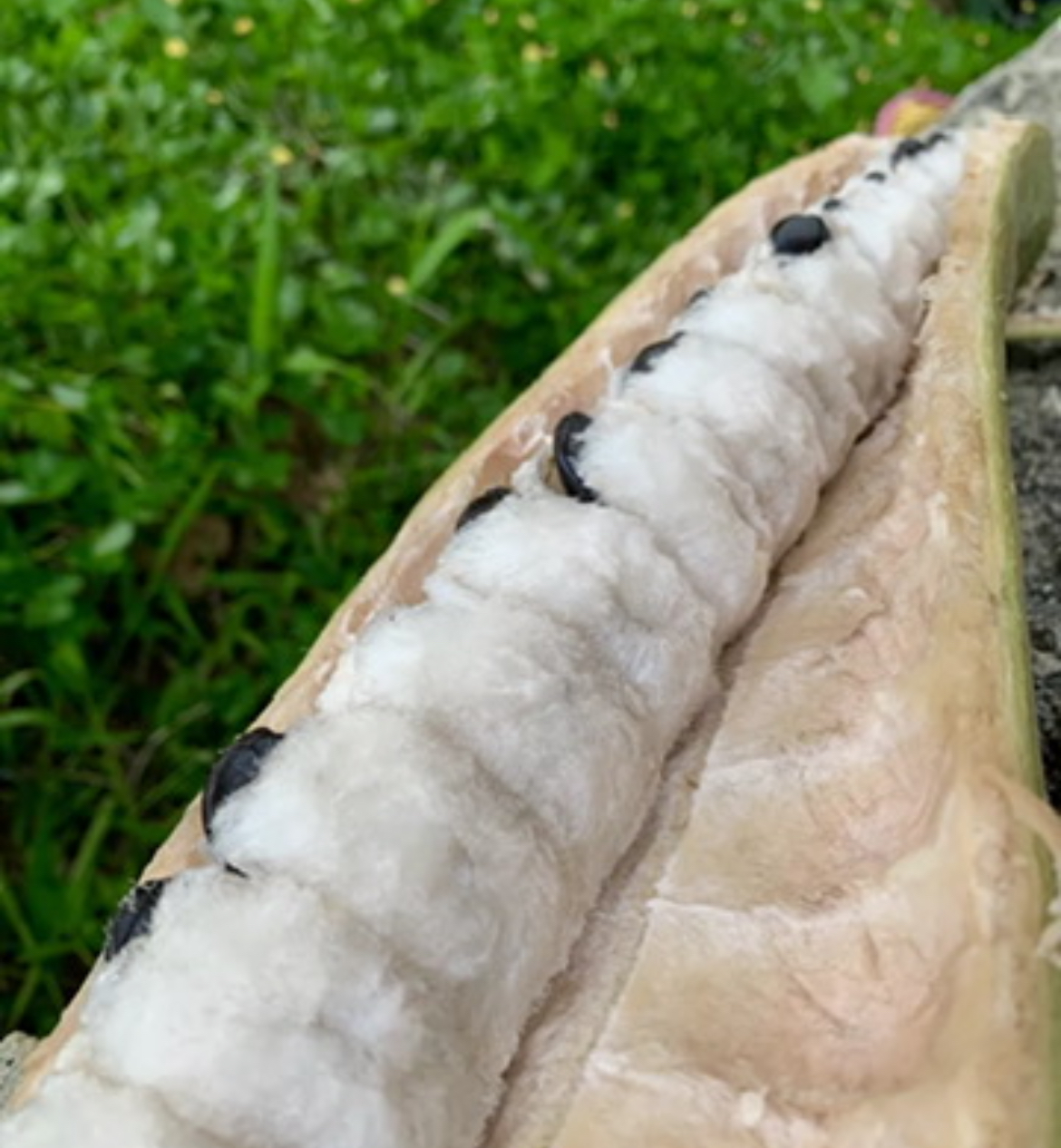
15 Fresh Inga spectabilis Seeds – Guamá / Guaba Machete / Ice Cream Bean
Inga spectabilis (Vahl) Willd.
$22.89