15 Fresh Rollinia mucosa Seeds – Biribá / Annona mucosa Tropical Fruit
Annona mucosa Jacq. (syn. Rollinia mucosa (Jacq.) Baill.)
$19.98
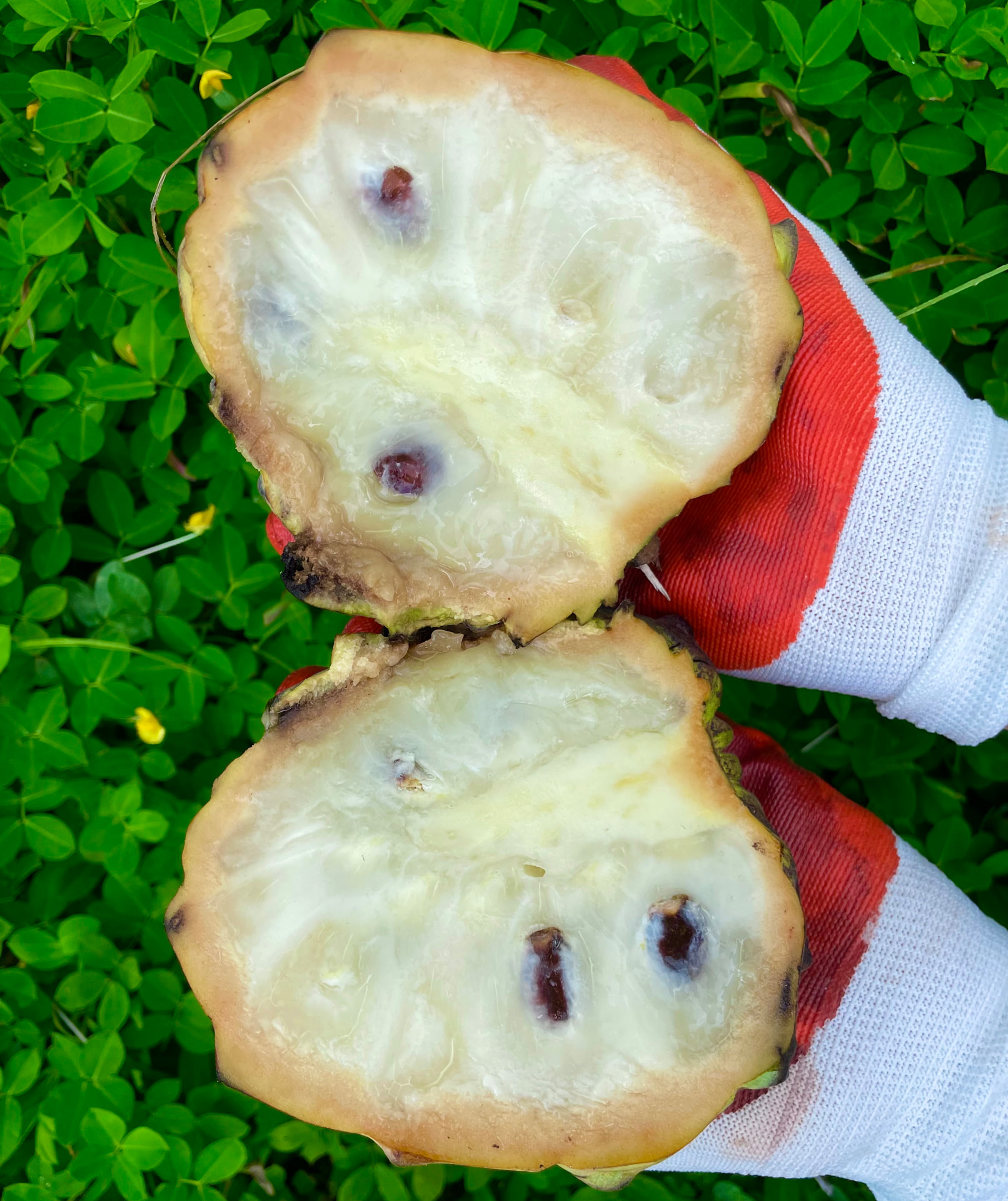
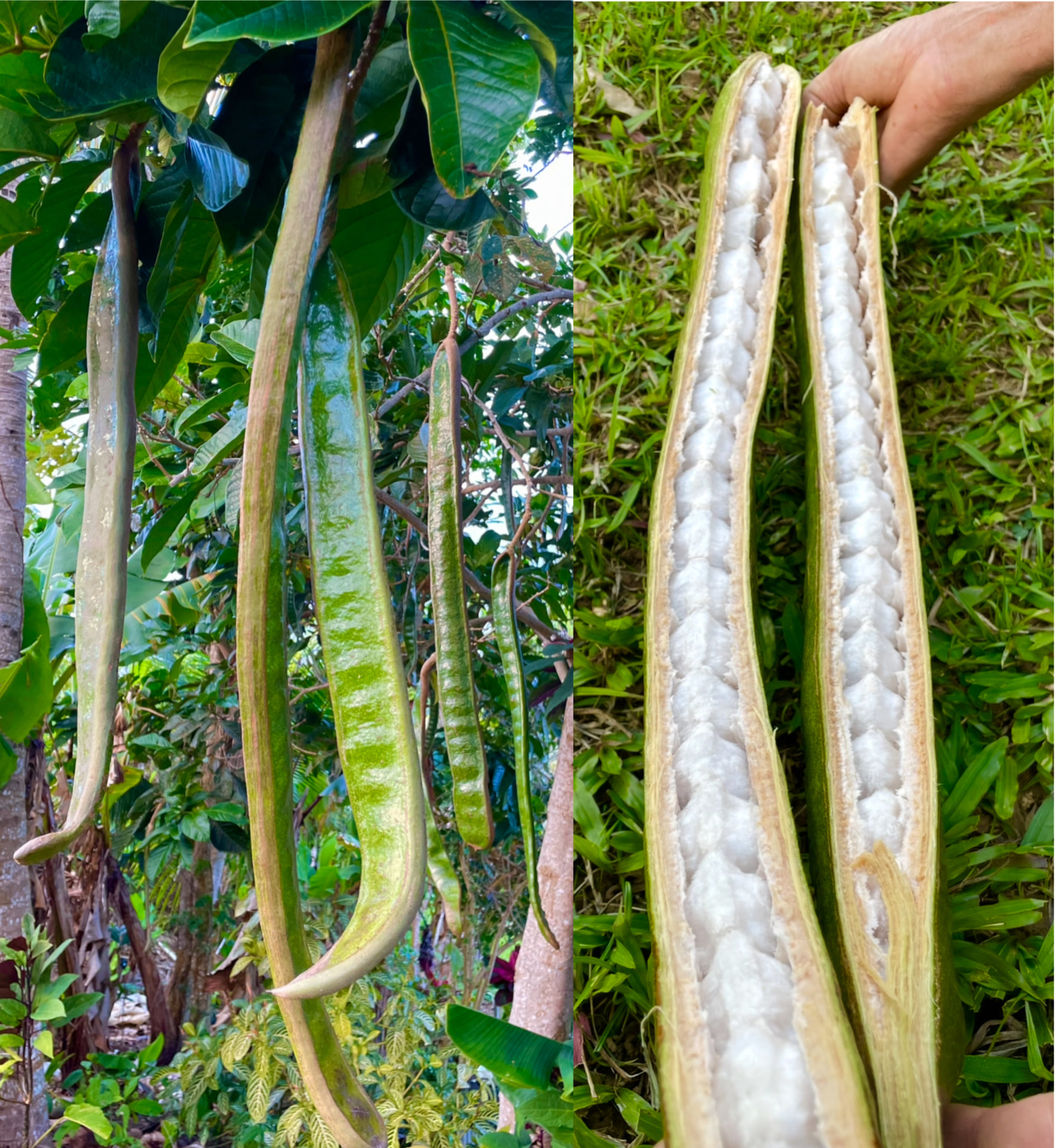
About the speciesABOUT THE SPECIES — A ripe Biribá opened to show the soft edible pulp. Fruit is shown for species identification and is NOT included.
Tropical Fruit Plants
Annona mucosa Jacq. (syn. Rollinia mucosa (Jacq.) Baill.)
Annona mucosa • Rollinia mucosa • Brazilian Custard Apple
1 LIVE PLANT
FREE SHIPPING
In stock — live plants are carefully prepared and dispatched within 1–2 business days
YOU RECEIVE: 1 LIVE BIRIBÁ PLANT approximately 7–9 inches tall, with FREE SHIPPING. This listing is NOT for seeds, and fruit is NOT included.
One live Biribá plant (Annona mucosa, syn. Rollinia mucosa), approximately 7–9 inches tall. An unusual tropical American member of the custard-apple family, offered with free shipping. Seeds and fruit are not included.
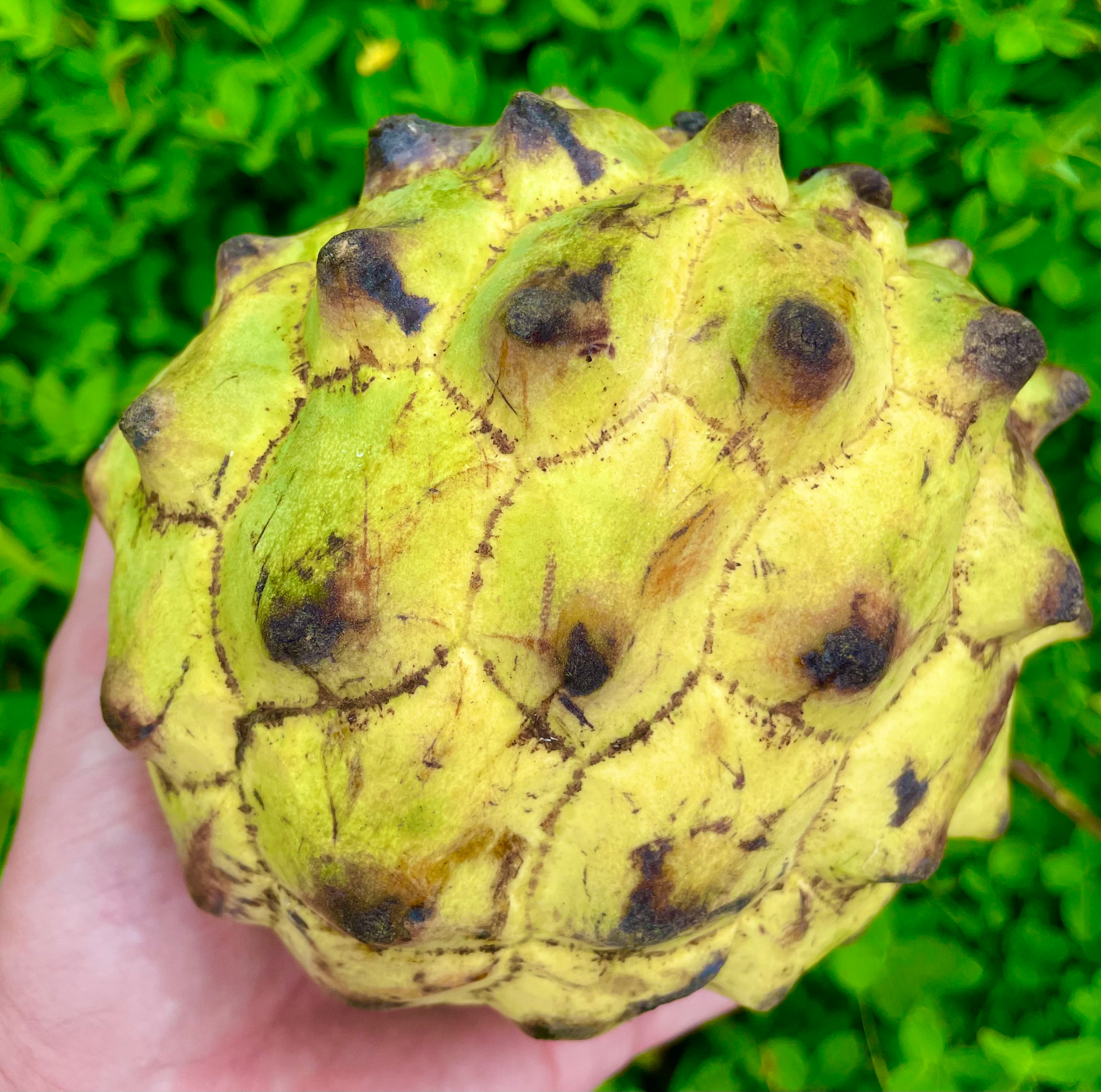
Biribá is one of the more visually unusual members of the custard-apple family. As its fruit develops, the surface expands into soft projecting sections; at maturity the fruit turns yellow and looks markedly different from the familiar guanábana or corazón.
The species comes from Tropical America and belongs naturally in Puerto Rico's wider tropical-fruit context. Its creamy edible pulp and unmistakable fruit have made it a memorable tree for collectors who enjoy growing beyond the familiar Annona species.
This listing is for one young live plant approximately 7–9 inches tall. The fruit photographs identify the species and show its mature potential; fruit and seeds are not included.
YOU RECEIVE: 1 LIVE BIRIBÁ PLANT approximately 7–9 inches tall, with FREE SHIPPING. This listing is NOT for seeds, and fruit is NOT included.
The new nursery photograph shows the type of young Biribá plant offered. Unless explicitly identified as the exact specimen, the plant shipped will be comparable rather than identical; living plants naturally vary.
A little drooping, an older marked leaf or slight yellowing can follow transit and does not automatically mean the plant is unhealthy. Judge recovery by stable tissue and fresh growth rather than expecting every leaf to remain cosmetically perfect.
Fruit photographs show the mature species. No fruit, seeds, fruiting date, yield or particular fruit characteristic is promised with this young plant.
From the box to the garden
Remove shipping material, look over the stem and leaves, and note the condition of the root zone before changing anything.
Feel the substrate rather than watering automatically. If it is still adequately moist, wait; if drying, water thoroughly and let every excess drop escape.
Set the plant in bright filtered light with shelter from harsh midday sun and drying wind while it adjusts from the shipping box.
Introduce gentler direct sun first, then lengthen exposure over several days as the foliage remains comfortable.
Avoid an unnecessary immediate transplant or heavy feeding. Repot at once only when drainage, damage or another real condition makes it necessary.
Stable leaves and a fresh growing tip are more useful signs of acclimation than the appearance of an older leaf marked during transit.
Biribá's mature fruit is built from joined sections that project outward as it expands, creating a soft, irregular surface and a striking yellow profile at maturity. Cut open, it reveals pale, creamy edible pulp around dark seeds.
Those photographs are a look at the species, not a prediction for one young tree. Seed-grown plants and their eventual fruit can differ in form, size, flavor and productivity.
Annona mucosa Jacq. is the accepted scientific name. Rollinia mucosa (Jacq.) Baill. is its important historical synonym — not a second species.
Growers still encounter Rollinia mucosa in nursery labels, collections, older books and online searches, so Alpha Tropic keeps both names visible while making their relationship clear.
Guanábana (Annona muricata) carries a green fruit with a visibly spiny exterior. Corazón or custard apple (Annona reticulata) has a more netted or sectioned skin. Biribá belongs to the same family, but its yellow mature fruit and soft projecting segments give it a separate identity in a tropical-fruit collection.
The comparison is botanical, not a claim that one fruit is better. Each species offers a different tree, fruit structure and growing experience.
Why grow it
One of the custard-apple family's most visually distinctive fruits
Accepted as Annona mucosa and still widely recognized as Rollinia mucosa
A tropical American species with context in Puerto Rico
Creamy edible pulp inside an unusual mature yellow fruit
A living specimen for growers who want to move beyond familiar Annona species
Shared species guide supports both seed starters and live-plant customers
You may also like
Annona mucosa Jacq. (syn. Rollinia mucosa (Jacq.) Baill.)