15 Fresh Inga spectabilis Seeds – Guamá / Guaba Machete / Ice Cream Bean
Inga spectabilis (Vahl) Willd.
$22.89
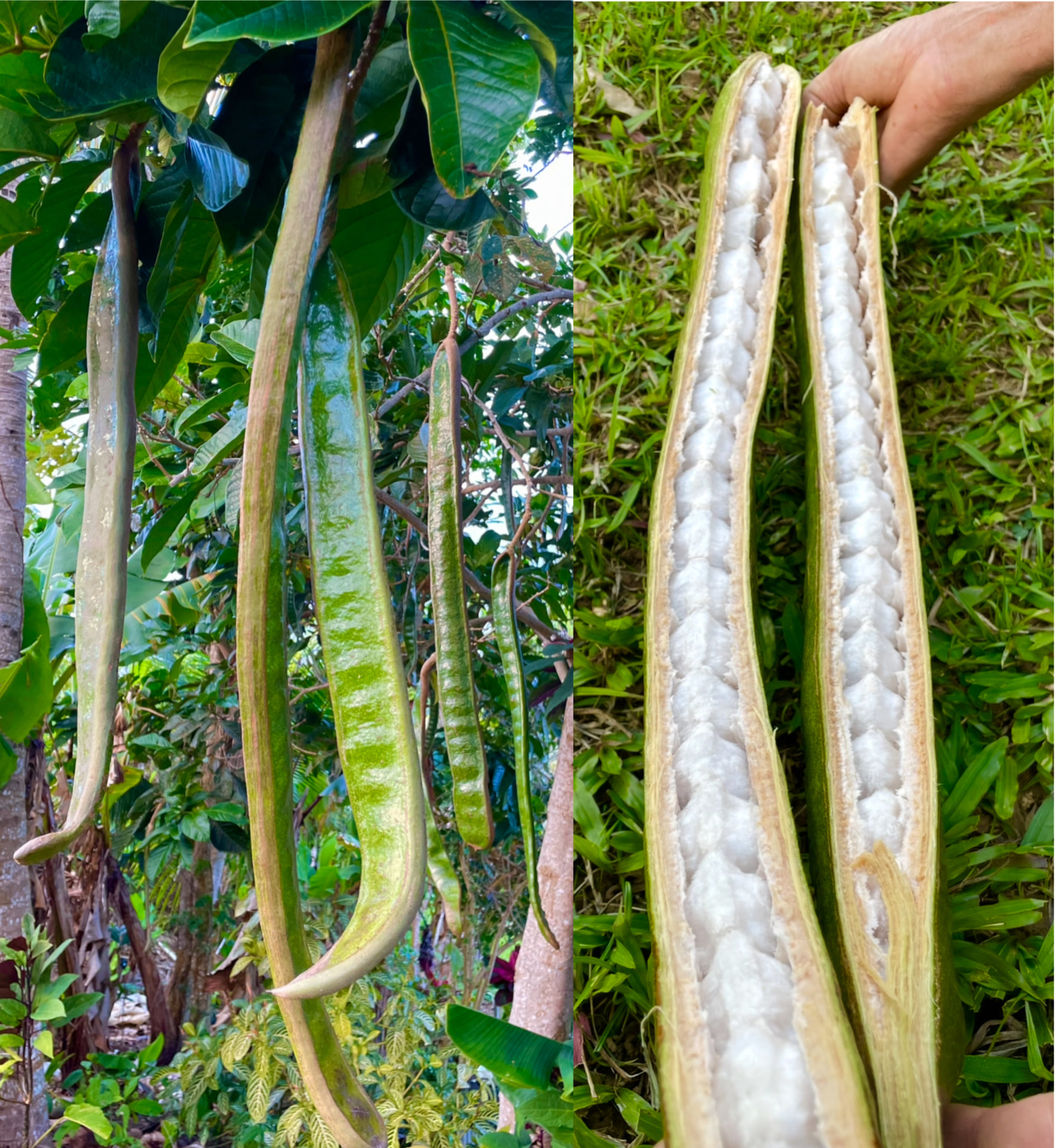
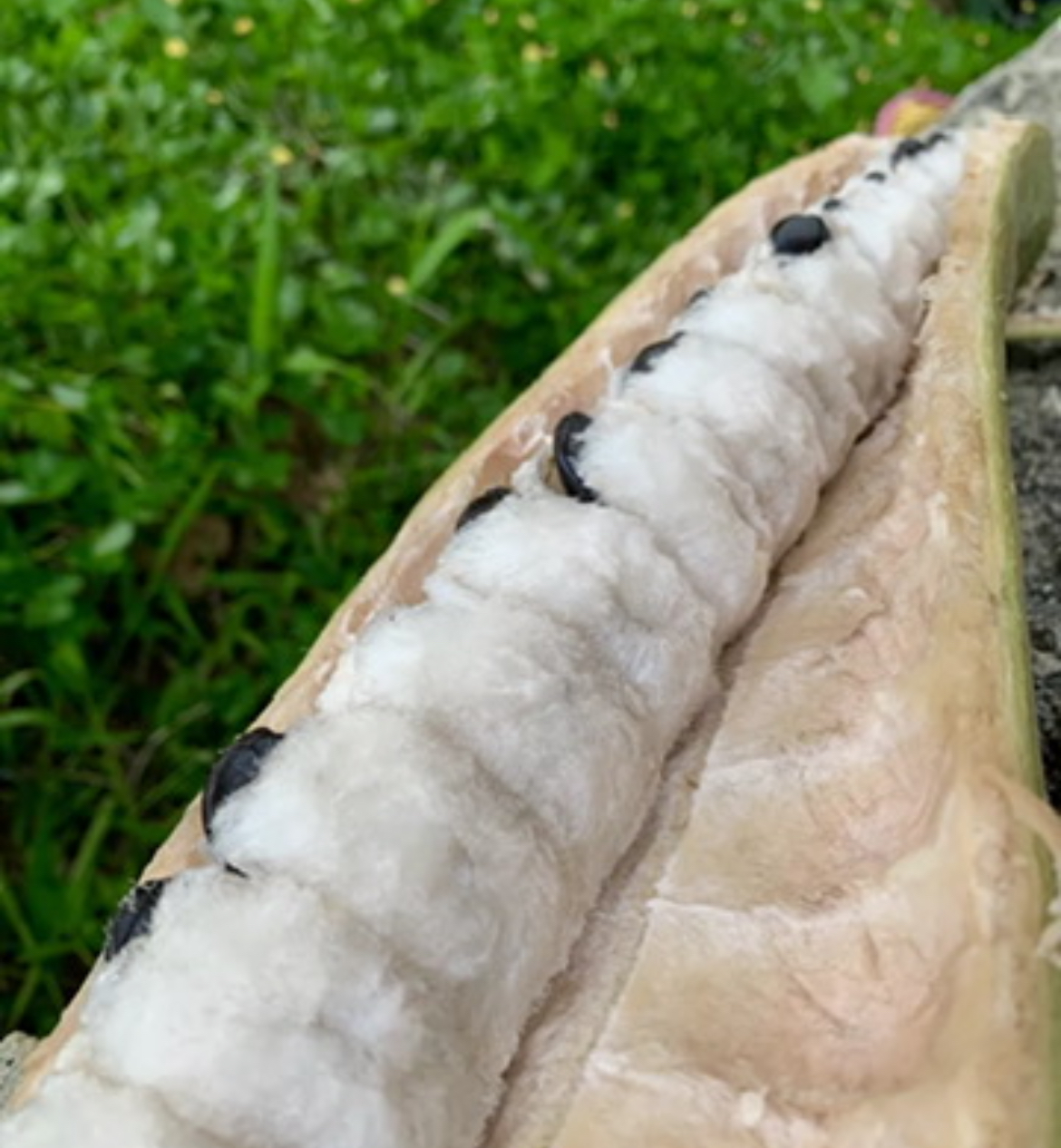
About the speciesABOUT THE SPECIES — The unusually long pods of Inga spectabilis, including one opened to show the white aril. FRUIT IS NOT INCLUDED.
Tropical Fruit Plants
Inga spectabilis (Vahl) Willd.
Guamá • Guaba Machete • Ice Cream Bean
1 LIVE PLANT
FREE SHIPPING
In stock — live plants are carefully prepared and dispatched within 1–2 business days
YOU RECEIVE: 1 LIVE INGA SPECTABILIS PLANT approximately 8–9 inches tall, with FREE SHIPPING. This listing is not for seeds; fruit is not included.
One live Inga spectabilis plant, approximately 8–9 inches tall. Grow the Guaba Machete known for exceptionally large pods and white edible aril. Free shipping; fruit and seeds are not included.
Inga spectabilis earns the name Guaba Machete from its imposing, elongated pods. Open one and the contrast is striking: dark seeds sit in a row beneath a soft white edible covering, the aril associated with the familiar Ice Cream Bean name.
The young plant develops compound leaves and, in a suitable tropical setting, grows toward the spreading architecture of an Inga tree. Members of this legume genus also form root associations with nitrogen-fixing bacteria, one reason Inga trees appear in tropical agroforestry systems.
Starting with a live plant skips the unusually moisture-sensitive seed and germination stage. The tradeoff is that the established foliage and root ball need a measured transition from a shipping box to outdoor conditions.
You receive one live plant approximately 8–9 inches tall. The mature-pod photographs identify the species; fruit and seeds are not included.
YOU RECEIVE: 1 LIVE INGA SPECTABILIS PLANT approximately 8–9 inches tall, with FREE SHIPPING. This listing is not for seeds; fruit is not included.
Unpack promptly and inspect the leaves, stem and actual moisture in the root zone before watering. Temporary drooping or a marked older leaf can follow shipping while the plant readjusts to light and airflow.
Begin in bright filtered light, protect it from intense afternoon sun and drying wind, and postpone routine repotting or feeding until it is stable.
The photograph represents the product form. Living plants vary naturally, and no survival, fruiting age, crop or exact fruit characteristic is guaranteed.
Arrival pathway
Remove packing promptly, examine the stem and foliage, and check the growing medium with a finger before changing its moisture.
If the root zone is adequately moist, wait. If it is drying, water thoroughly and let excess water drain completely.
Keep the newly arrived plant in bright filtered light, away from strong wind and harsh midday sun while it recovers.
Introduce gentle morning sun first and lengthen exposure in stages as the existing leaves remain comfortable.
Do not combine shipping recovery with immediate heavy feeding, root disturbance or a dramatically oversized container.
Once active growth resumes and roots occupy the container, move up one size into an airy, fertile mix with open drainage.
The elongated fruit gives Guaba Machete its memorable identity. Inga spectabilis can produce pods much larger and broader than those of many familiar Inga species, with a row of substantial seeds beneath the white edible aril.
Those pod images explain the species rather than the shipment. This product is the young tree shown in the WHAT YOU RECEIVE photograph; no pod or fruit accompanies it.
Alpha Tropic also grows Inga vera and Inga laurina. Inga spectabilis is distinguished here by its especially large, machete-like pods. Inga vera is known in Puerto Rico as Guaba and has documented local use in coffee-shade systems, while Inga laurina is the Puerto Rican Guamá historically recorded as Inga fagifolia.
They share the genus's compound foliage and legume biology, but their leaf details, pod form and local histories should not be treated as interchangeable.
Inga trees are familiar elements of tropical agroforestry because their canopies can contribute shade and their roots can partner with nitrogen-fixing bacteria. That context describes the genus's ecological usefulness, not a promise that one small plant will transform soil or perform identically in every site.
Give the plant time to establish before structural pruning. As it develops, thoughtful placement matters more than forcing rapid growth: the mature form is a tree, not a permanent windowsill seedling.
Why grow it
The Guaba Machete known for exceptionally large pods
Soft white edible aril around the seeds
Established young plant rather than freshness-sensitive seed
Compound tropical foliage and future tree form
A distinctive counterpart to Inga vera and Inga laurina
Free shipping with a shared species growing guide
You may also like
Inga spectabilis (Vahl) Willd.