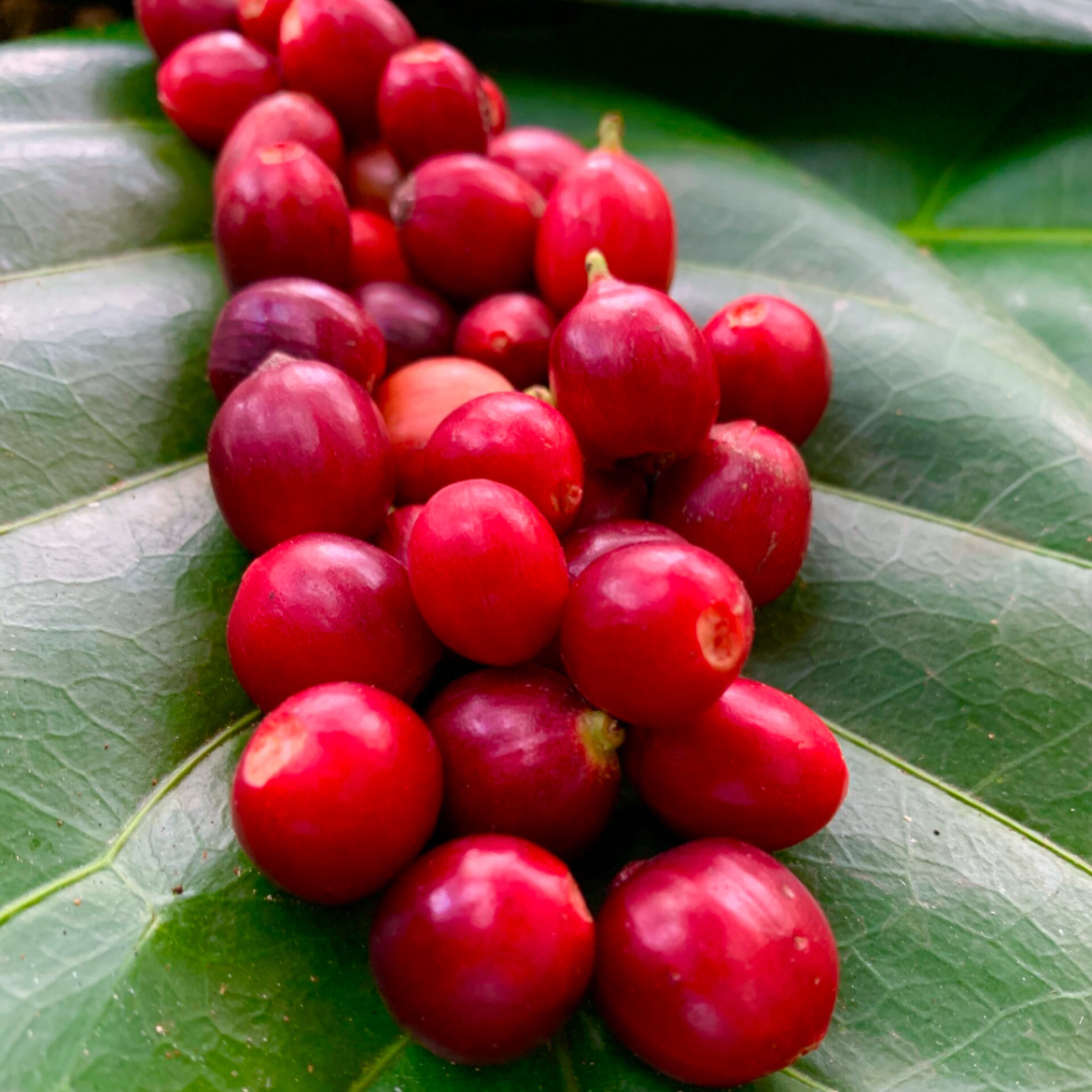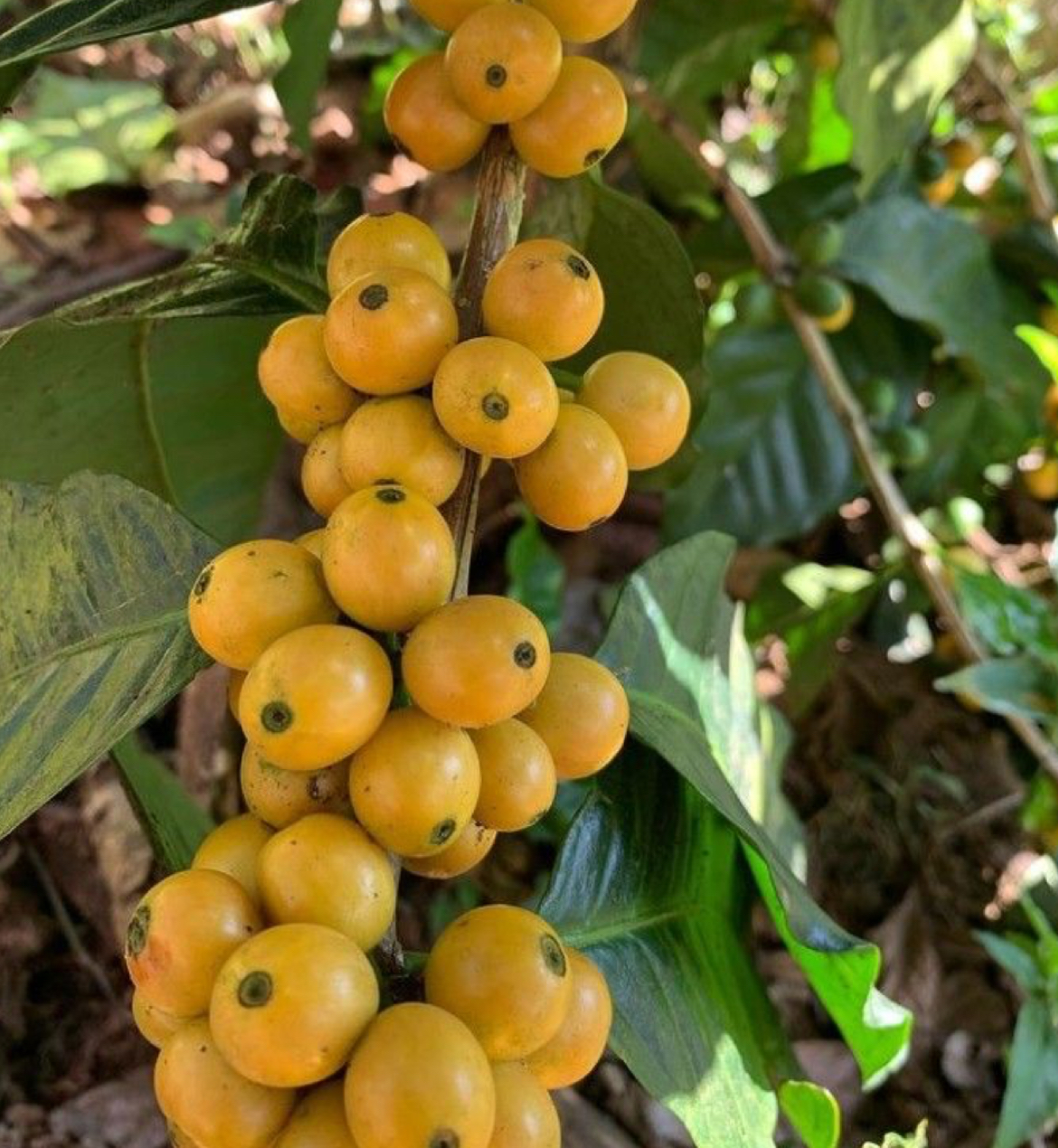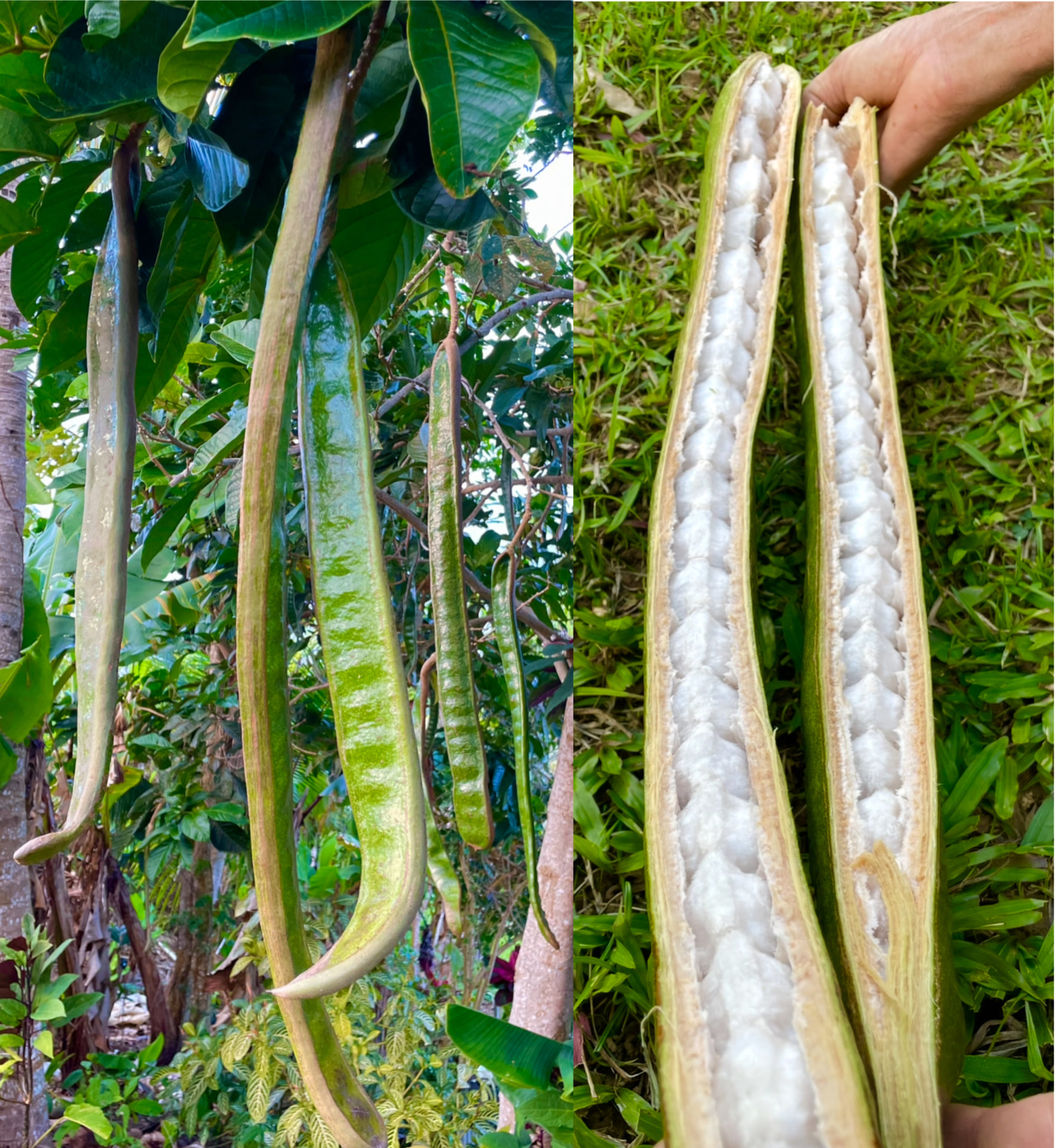
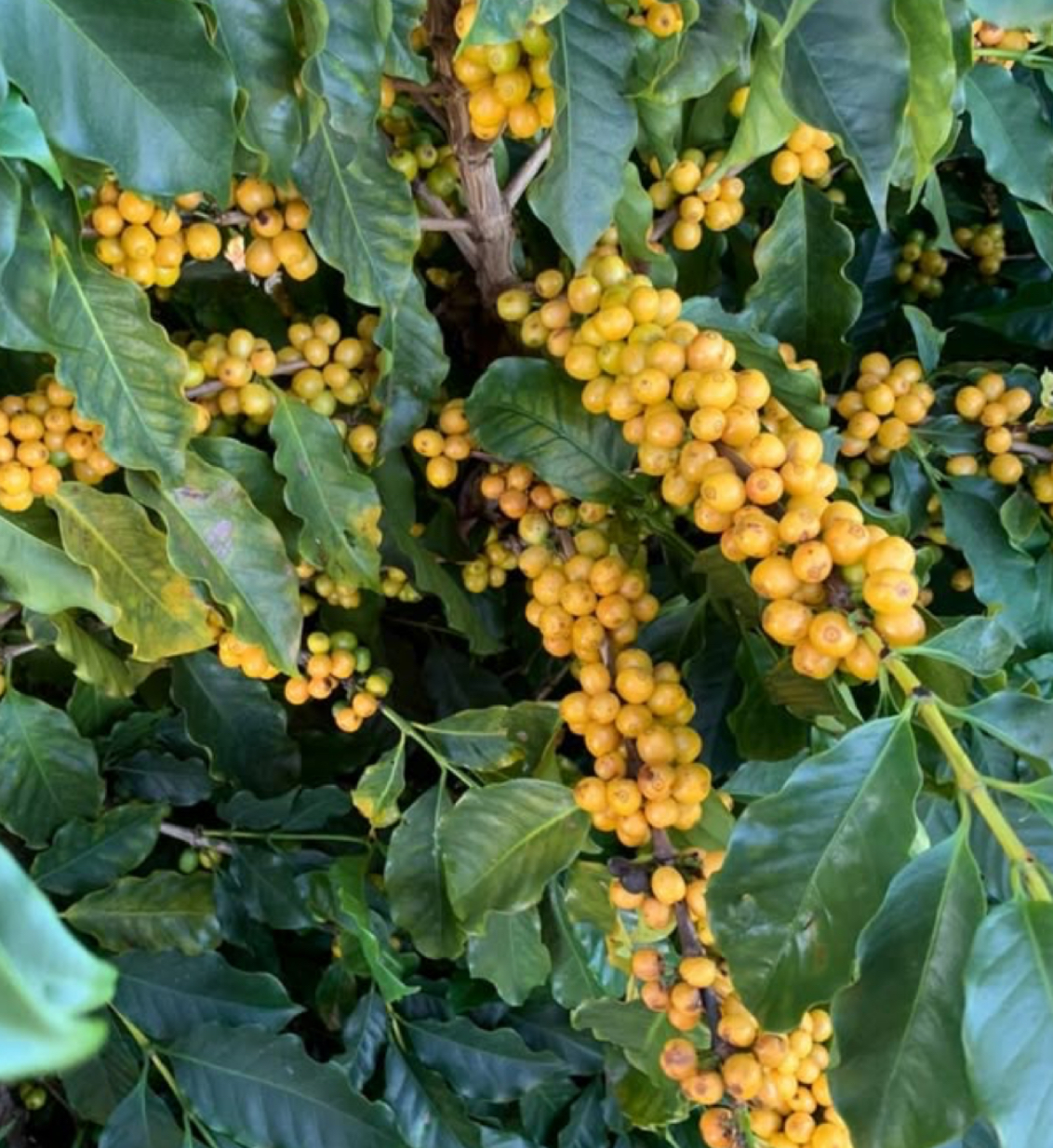
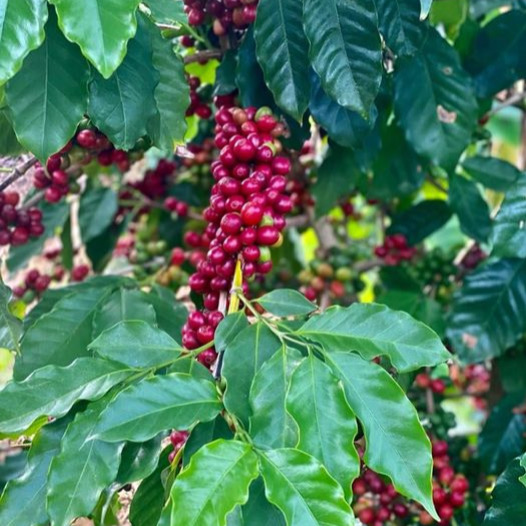
About the speciesABOUT THE SPECIES — Mature Coffea arabica with red-ripe cherries. Cherries are not included.
Tropical Fruit Plants
Puerto Rico Arabica Coffee Live Plant
Coffea arabica L.
Red Cherry Source • Coffea arabica • Café Arábica
$19.89for 1 live Coffea arabica plant
LIVE COFFEE PLANT
FREE SHIPPING
In stock — live plants are carefully prepared and dispatched within 1–2 business days
YOU RECEIVE ONE LIVE Coffea arabica PLANT. Coffee seeds and cherries are not included. FREE SHIPPING.
1
One live Coffea arabica plant from Puerto Rico coffee stock associated with red mature cherries. A glossy evergreen tropical coffee plant with free shipping.
- Free shipping on this listing
- Secure encrypted checkout
- Carefully packed in Puerto Rico
- Detailed growing guide included
- Scientific name
- Coffea arabica L.
- Family
- Rubiaceae
- Product type
- One live coffee plant
- Source
- Puerto Rico Arabica coffee stock associated with red mature cherries
- Cultivar
- Not identified; red refers only to source cherry color
- Growth habit
- Evergreen shrub or small tree; responds well to thoughtful pruning
- Light
- Bright filtered light while young, with gradual adjustment to stronger light
- Water
- Even moisture with strong drainage; avoid both prolonged dryness and saturation
- Climate
- Tropical to warm subtropical; frost-sensitive
Coffea arabica L. is the botanical species behind Arabica coffee. It develops as a glossy-leaved evergreen shrub or small tree, with an upright framework and characteristic lateral branches as it matures.
Established plants can produce fragrant white flowers, followed by green cherries that color as they mature. The seeds inside those cherries are the familiar coffee ‘beans.’ Cherries from this Puerto Rico source mature red, but no Bourbon, Caturra, Typica, Limaní or other named cultivar is claimed.
Puerto Rico has a long relationship with cultivated coffee, although Coffea arabica is not native to the island. Starting with a rooted young plant bypasses the delicate germinated-seed stage and lets the grower begin with established foliage and roots.
This listing is for one live plant. Coffee cherries and seeds are not included, and individual plants naturally vary in height, leaf count and appearance.
What You Receive
- 1 live Coffea arabica plant
- The real seller-supplied young plant shown in the gallery represents the product form
- Free shipping
- Access to the shared Coffea arabica growing guide
YOU RECEIVE ONE LIVE Coffea arabica PLANT. Coffee seeds and cherries are not included. FREE SHIPPING.
Live Coffee Plant Notice
A few days in a shipping box temporarily change the plant’s light, humidity and airflow. Mild drooping, slight yellowing or an older leaf dropping can occur during readjustment.
Unpack promptly, inspect the medium before watering and begin in gentle filtered light. Do not repot or fertilize automatically on arrival.
Individual plants vary naturally. Fruiting time, yield and survival are not guaranteed.
Arrival pathway
Receiving a Live Coffee Plant
- 1
Unpack and inspect
Remove packing promptly. Check leaves, stems, the container and the actual moisture level before deciding what the plant needs.
- 2
Water by condition
If the medium is still moist, wait. If it is becoming dry, water thoroughly and allow every excess drop to leave through the drainage holes.
- 3
Begin with gentle light
Place the plant in bright filtered light, sheltered from harsh midday sun and drying wind while it recovers from transit.
- 4
Adjust light progressively
Introduce brighter conditions and gentle morning sun in stages. Back off if new bleaching or crisp scorched areas appear.
- 5
Let roots settle
Delay transplanting until the plant is stable and growing unless drainage or the existing medium presents a clear problem.
- 6
Move up one pot size
When roots fill the container, keep the root ball intact and use a slightly larger, well-drained pot rather than an oversized wet volume of soil.
From Puerto Rico Coffee Stock
This plant comes from Coffea arabica stock associated with red mature cherries in Puerto Rico. That provenance describes the source and fruit color, not a verified cultivar name.
Coffee has been cultivated in Puerto Rico for generations, especially in its mountain regions. The species itself originated elsewhere and is not represented here as native to the island.
Reading the Coffee Plant
Young plants begin with opposite, glossy leaves. With maturity, an upright framework supports lateral branches—the wood on which flowers and fruit can develop under suitable conditions.
Clusters of fragrant white flowers may later give way to green cherries. As red-source cherries mature, their skin turns red; inside are the seeds that become coffee beans after processing.
Moisture, Humidity and Drainage
Coffee prefers a steady middle ground: an airy root zone that remains evenly moist but never stagnant. Moderate humidity supports foliage, while airflow and drainage reduce the problems caused by constantly wet roots.
Check the medium rather than watering by calendar. Containers need open drainage holes, and saucers should not hold standing water.
Container Shape and Pruning
A deeper container accommodates coffee’s root system better than a broad shallow bowl. Increase pot size gradually and use a rich, slightly acidic, free-draining mix.
Once established, selective pruning can control height, remove weak growth and encourage a useful branching framework. Avoid hard pruning a newly arrived young plant.
A Different Start from Seed
A live plant has already passed through germination and early establishment. Growers looking to observe that earlier stage can find the existing red-fruited Coffea arabica germinated-seed listing; both forms share the same species-level guide.
Why grow it
Why grow a live Arabica coffee plant?
Established young plant rather than germinated seed
Glossy evergreen foliage
Fragrant white flowers on mature plants
Red-cherry Puerto Rico source without an unsupported cultivar claim
Well suited to progressive container culture
Free shipping
You may also like
Related products