Biribá Live Plant – Annona mucosa (Rollinia mucosa) – 7–9"
Annona mucosa Jacq. (syn. Rollinia mucosa (Jacq.) Baill.)
$25.89
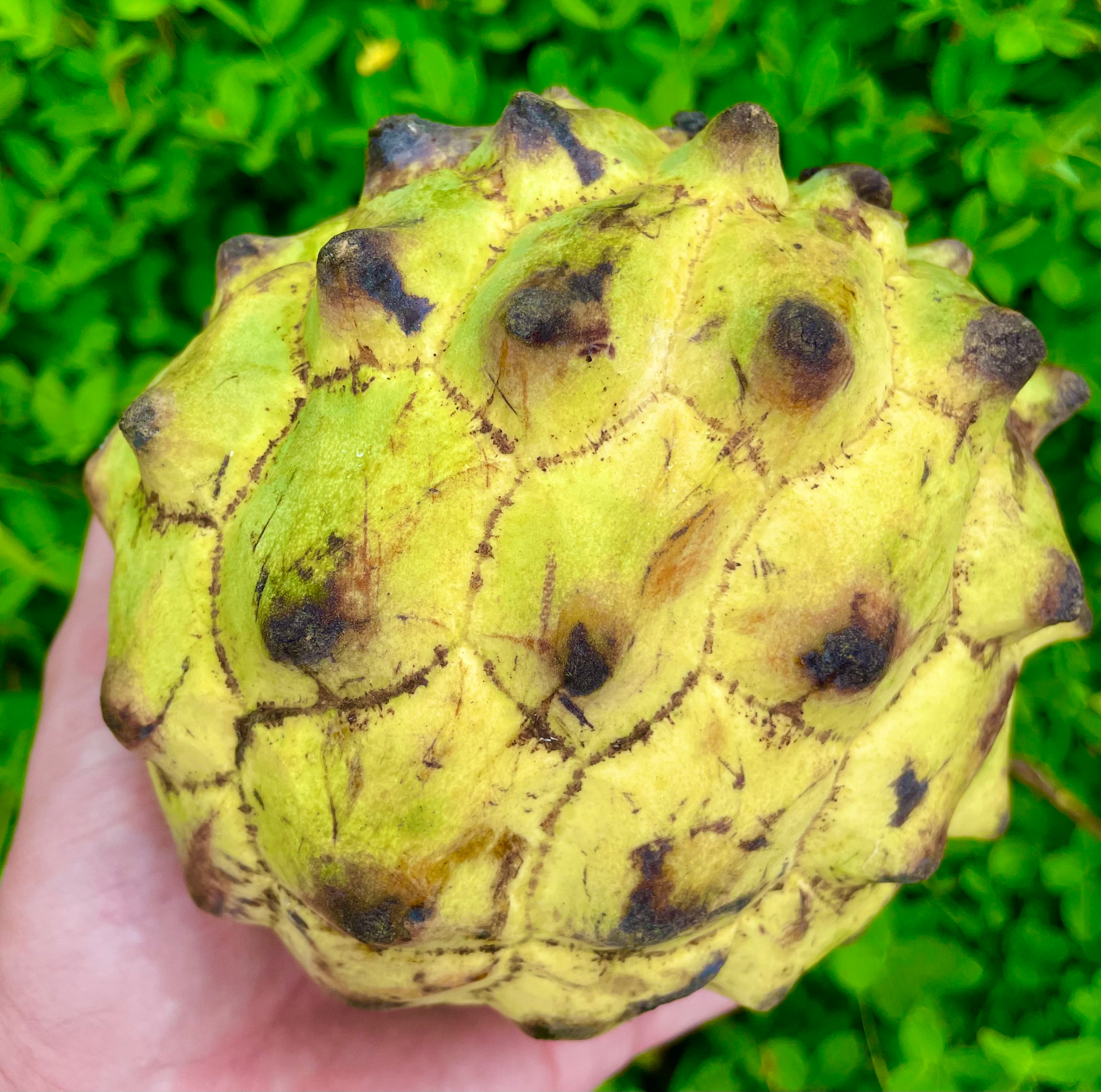
About the speciesABOUT THE SPECIES — Mature yellow Biribá fruit (Annona mucosa, syn. Rollinia mucosa). Fruit is shown for species identification and is NOT included.
Rare Tropical Fruit
Annona mucosa Jacq. (syn. Rollinia mucosa (Jacq.) Baill.)
Biribá • Biriba • Rollinia • Brazilian Custard Apple • Fruta-da-condessa
15 FRESH SEEDS
FREE SHIPPING
In stock — fresh seeds, packed and shipped within 1–2 business days
THIS LISTING IS FOR SEEDS. Fruit and live plants shown in the species photographs are NOT included.
15 fresh Annona mucosa (Rollinia mucosa) seeds for planting. Biribá is a distinctive tropical fruit tree in the Annonaceae family, native to Tropical America including Puerto Rico. Free shipping and a species-specific growing guide.
Annona mucosa Jacq. is a tropical fruit tree in the Annonaceae family. In horticulture and in the rare-fruit trade it is still most often sold and searched for under its botanical synonym, Rollinia mucosa (Jacq.) Baill. Both names refer to the same plant.
The species is native to Tropical America and is also native to Puerto Rico, where it is grown alongside other tropical Annona relatives.
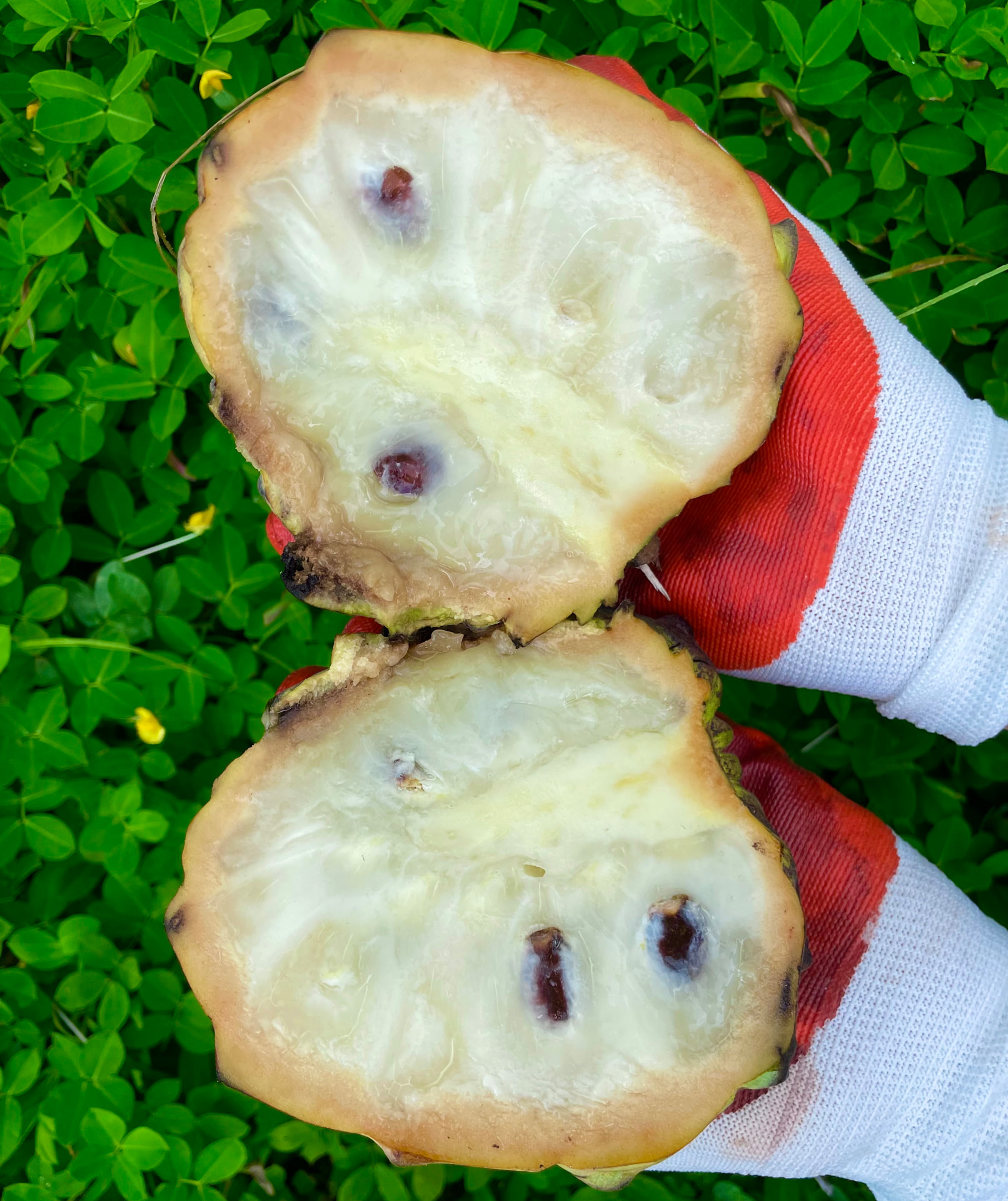
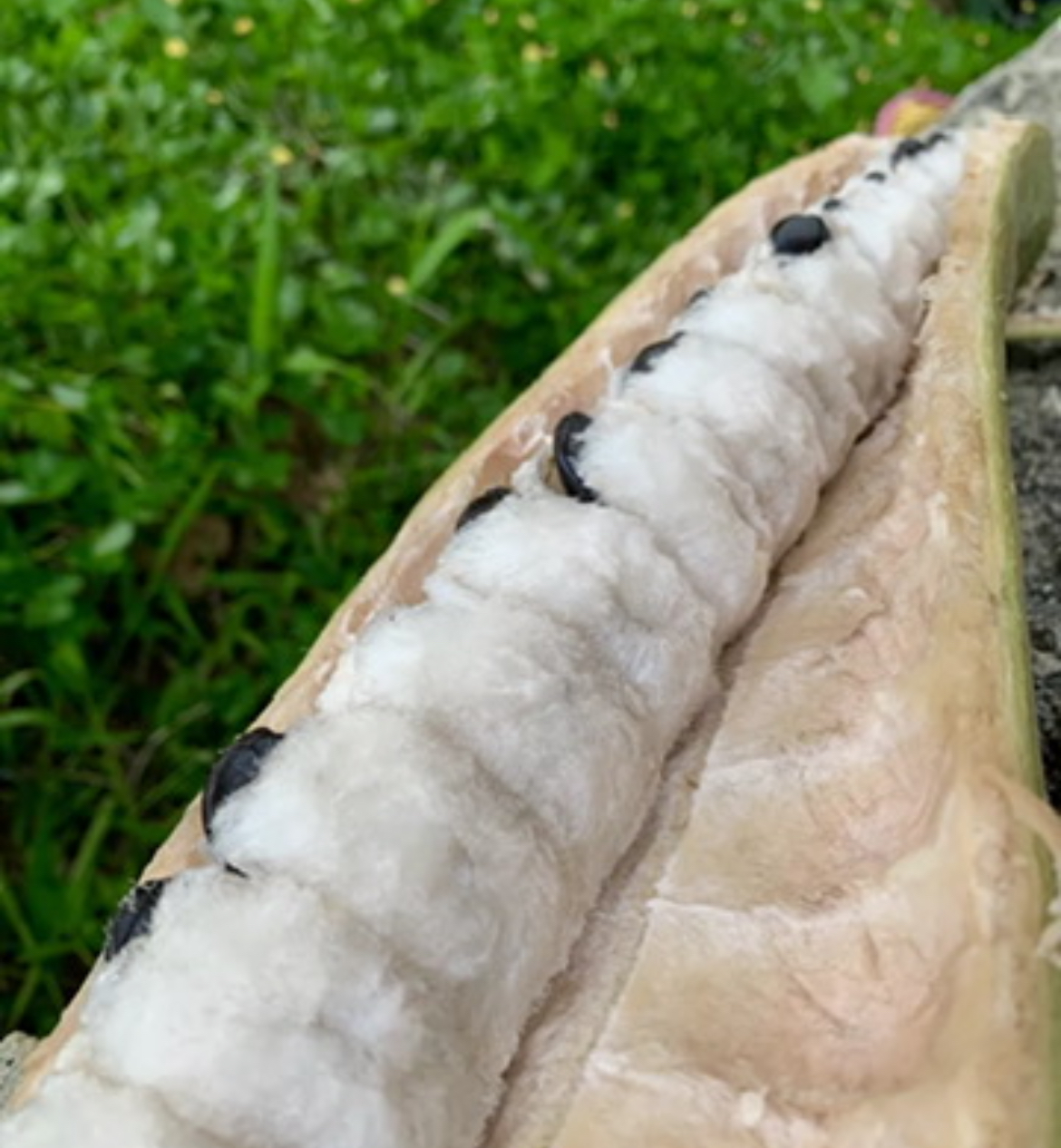
Biribá fruit is unusual looking: as it develops, the surface forms distinctive raised, segmented protrusions, and mature fruit turns yellow. Inside, the ripe pulp is soft and creamy with a sweet tropical flavor. Flavor perception varies between individual fruits and between people.
For collectors and growers of rare edible species, Biribá is one of the more striking tropical Annonaceae fruit trees you can start from seed.
This listing is for 15 fresh Annona mucosa / Rollinia mucosa seeds for planting. Fruit and live plants shown in the species photographs are NOT included.
THIS LISTING IS FOR SEEDS. Fruit and live plants shown in the species photographs are NOT included.
Annonaceae seeds of this type are freshness-sensitive. Viability declines as the seed dries out and ages, so fresh seed should be planted promptly rather than stored for long periods.
If you cannot sow immediately, keep the seeds cool, shaded and slightly moist in a breathable container, and plant as soon as you can. Avoid deliberately drying the seed and avoid sealing damp seed in airtight plastic, which encourages mold.
No germination percentage and no specific germination date is promised. Germination timing and success depend on seed freshness, temperature, moisture and your growing conditions.
These are seeds for planting. Fruit and live plants are not included.
Germination
Sow as soon as practical after the package arrives. Fresh Annonaceae seed loses viability the longer it sits dry.
A soak in clean, room-temperature water for roughly 24 hours can help rehydrate the seed before sowing. Discard the water afterwards and sow the same day.
Use a light, fertile mix that holds moisture but drains freely — quality potting soil or coco coir with perlite and a little compost.
Sow one seed per deep cell or pot with generous drainage holes. Annona relatives form a strong taproot and dislike root disturbance.
Place the seed on its side and cover with roughly 1–2 cm (about half an inch) of medium. Deep burial is a common cause of failure.
Water thoroughly, let excess drain, then keep the medium consistently moist like a wrung-out sponge — never saturated and never bone dry.
Steady warmth is the single biggest factor. Cool medium slows germination substantially or stops it altogether.
A humidity dome or loose clear bag helps retain moisture, but ventilate regularly so the surface does not stay stagnant and moldy.
Germination in this species can be slow and uneven. Some seeds emerge well before others in the same batch; keep the whole tray warm and moist while you wait.
Once shoots appear, provide bright filtered light, then increase sun exposure gradually over several weeks rather than in one abrupt move.
CORRECT ✓
Seed laid on its side under about 1–2 cm of warm, moist, free-draining medium in a deep container with drainage holes.
AVOID ✕
Seed buried deeply, sown into cold or waterlogged medium, allowed to dry out completely, or stored dry for weeks before sowing.
These are not two different species. They are two names for the same plant.
The fruit has long been known in horticulture as Rollinia mucosa, and that name is still the one most growers, nurseries and collectors search for.
Modern botanical references such as Kew's Plants of the World Online currently accept Annona mucosa Jacq. as the scientific name, and treat Rollinia mucosa (Jacq.) Baill. as a synonym.
We list both names together so the species is unambiguous whichever name you know it by.
Biribá fruit is easy to recognize: as it develops, the surface forms distinctive segmented, protruding sections, and the skin turns yellow as the fruit matures.
Inside, the ripe pulp is soft and creamy with a sweet tropical character, and it is typically eaten fresh out of hand. Flavor perception varies between individual fruits and between people.
As with other members of the custard-apple family, the fruit softens noticeably as it ripens and does not keep well for long once fully ripe.
Trees grown from seed show natural genetic variation. A seed-grown tree is not guaranteed to produce fruit identical in size, shape, flavor or productivity to the parent tree.
Biribá (also written Biriba) is the most widely used common name for this species, and it is regional in origin rather than an official English name.
Other names in circulation include Rollinia, Brazilian Custard Apple, Beribá and Fruta-da-condessa. Which name you encounter depends largely on the region and language.
Common names in Annonaceae overlap heavily between species, which is exactly why the botanical name matters: Annona mucosa Jacq., synonym Rollinia mucosa (Jacq.) Baill.
Like other Annonaceae, this species produces flowers whose parts mature at different times, which limits self-pollination; growers of Annona relatives commonly use hand pollination to improve fruit set.
Time to first flowering and fruiting on a seed-grown tree varies widely with climate, care and growing conditions. No fruiting age and no yield is promised.
Fruit develops over months and softens as it matures. Harvest timing is judged by color change and slight softening rather than by a fixed calendar date.
Why grow it
15 fresh Annona mucosa (Rollinia mucosa) seeds for planting
Biribá — a distinctive tropical fruit in the Annonaceae family
Native to Tropical America, including Puerto Rico
Unusual segmented fruit that matures yellow, with soft creamy pulp
A rare-fruit collector's tropical Annona
Seeds only — fruit and live plants are not included
Free shipping and a species-specific growing guide
You may also like
Annona mucosa Jacq. (syn. Rollinia mucosa (Jacq.) Baill.)
Inga spectabilis (Vahl) Willd.