
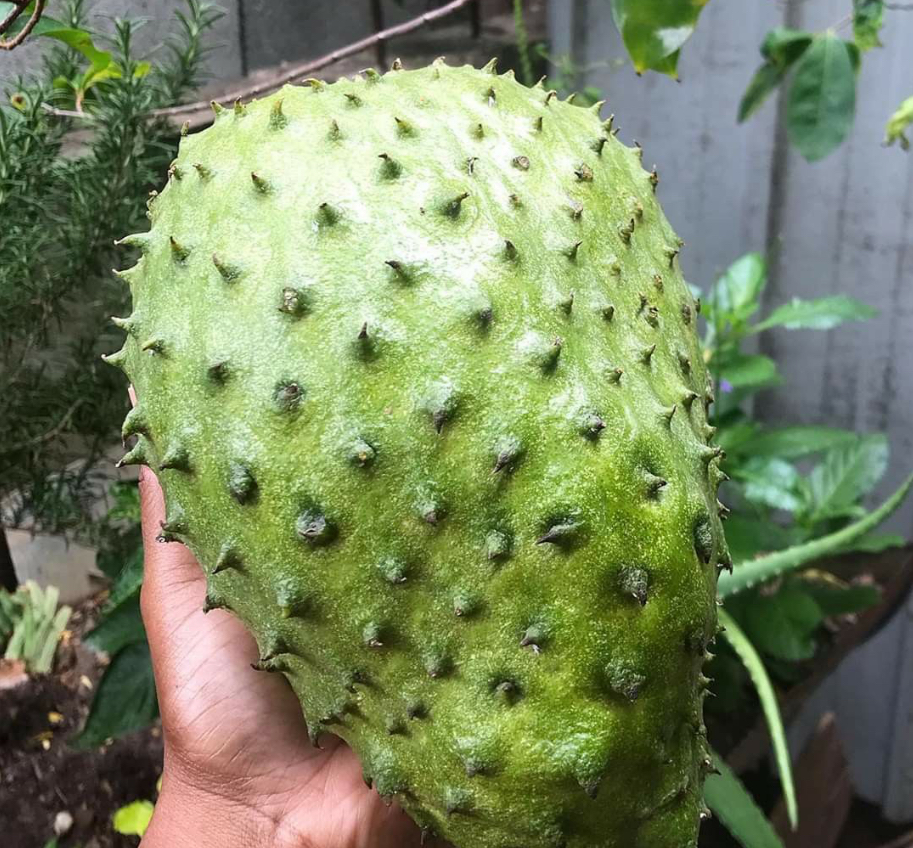
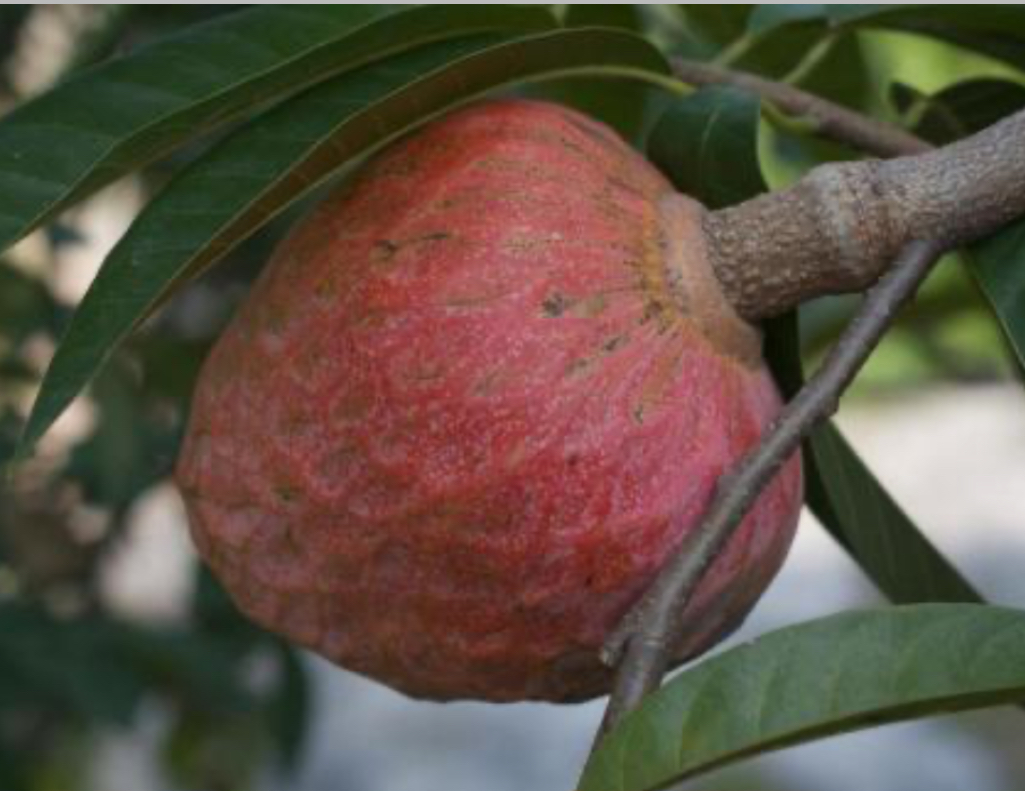
About the speciesAbout the species: an Annona reticulata fruit ripening on the tree. You are purchasing one live plant approximately 6–8 inches tall, not fruit.
Tropical Fruit Trees
Annona reticulata Live Plant
Annona reticulata L.
Custard Apple • Bullock's Heart • Corazón
$28.49for 1 live plant, approx. 6–8 inches tall
FREE SHIPPING
In stock — live plants are carefully prepared and dispatched within 1–2 business days
This listing is for ONE LIVE PLANT approximately 6–8 inches tall — not seeds and not fruit.
1
One live Annona reticulata plant, approximately 6–8 inches tall. A tropical fruit tree in the Annonaceae family grown for its distinctive edible fruit, commonly known as custard apple, bullock's heart or corazón. Free shipping.
- Free shipping on this listing
- Secure encrypted checkout
- Carefully packed in Puerto Rico
- Detailed growing guide included
- Scientific name
- Annona reticulata L.
- Family
- Annonaceae
- Product type
- Live tropical fruit plant / young tropical fruit tree
- Plant size
- Approximately 6–8 inches tall
- Quantity
- 1 live plant
- Climate
- Tropical / warm subtropical
- Light
- Bright light; young shipped plants should be gradually acclimated to stronger direct sunlight
- Water
- Water thoroughly and allow excess water to drain. Maintain appropriate moisture while avoiding continuously waterlogged soil
- Soil
- Fertile, organic, well-draining soil or potting mix
- Growth habit
- Tropical fruit tree
- Cold sensitivity
- Tropical plant; young plants should be protected from frost and prolonged cold
- Difficulty
- Moderate — suitable for tropical-fruit growers able to provide warmth, drainage and gradual acclimation
Annona reticulata L. is a tropical fruit tree in the Annonaceae family, grown for its distinctive edible fruit — widely known as custard apple, bullock's heart or corazón.
The mature fruit can have soft, sweet pulp when ripe. Fruit characteristics such as external color, shape, size, texture and flavor vary considerably between individual trees, so no specific fruit outcome is promised for this young plant.
You will receive one live plant comparable in size and general condition to the plants we ship. Because each plant is an individual living specimen, natural differences in leaf number, leaf shape, height and overall appearance are normal.
This listing is for ONE LIVE PLANT approximately 6–8 inches tall — not seeds and not fruit.
What You Receive
- One live Annona reticulata plant
- Approximately 6–8 inches tall
- Carefully prepared for shipping
- Access to a detailed Annona reticulata growing guide
- Free shipping
This listing is for ONE LIVE PLANT approximately 6–8 inches tall — not seeds and not fruit.
Live Plant Notice
Live plants can experience temporary shipping stress. A recently shipped plant may show mild leaf drooping, minor leaf discoloration, a damaged leaf, limited leaf drop or other temporary transplant and shipping stress.
Natural variation between individual plants is normal. Leaf number, leaf shape, height and overall appearance differ from plant to plant, so your plant will be comparable — not identical — to the plants shown.
Unpack the plant promptly after delivery. Do not immediately expose a recently shipped young plant to intense full sun; allow it to acclimate gradually over several days.
Do not immediately overwater or heavily fertilize the plant simply because it looks stressed. Check the moisture of the growing medium first and give the plant time to recover from transit.
Upon arrival
What to Do When Your Plant Arrives
- 1
Unpack promptly
Carefully remove the plant from its shipping packaging as soon as it arrives.
- 2
Inspect the plant
Check the plant, leaves, stem and growing medium so you know its condition before doing anything else.
- 3
Water only as needed
Check the moisture of the growing medium before watering. If watering is needed, water thoroughly and allow excess water to drain. Do not keep the root zone continuously saturated.
- 4
Initial placement
Place the plant in bright indirect light or gentle filtered light after shipping.
- 5
Acclimate gradually
Over several days, gradually introduce the plant to stronger light rather than immediately placing it in intense all-day sun.
- 6
Avoid immediate heavy fertilization
Give the plant time to recover from transportation before applying strong fertilizer.
- 7
Monitor
Watch for new growth and other signs that the plant is adapting to its new environment.
Light and Sun Acclimation
Established Annona reticulata trees can grow under strong tropical light, but a small 6–8 inch plant that has just travelled inside a shipping box should not be placed straight into intense direct afternoon sun.
Start in bright indirect or filtered light, then add a little more direct sun every few days over one to two weeks. Sudden exposure to intense sun after shipping can cause leaf scorch.
Watering
Water requirements depend on temperature, container size, soil, humidity and how actively the plant is growing, so avoid watering on a rigid calendar.
Check the growing medium instead. Water thoroughly when it is appropriate to do so and allow excess water to drain fully. Avoid constantly saturated conditions, and also avoid letting a small actively growing tropical plant stay severely dry for extended periods.
Soil and Drainage
Use a fertile, organic, well-draining growing medium — a quality potting mix amended with a drainage material works well.
Always grow in a container with drainage holes. Containers without drainage trap water around the roots and are not recommended for this plant.
Repotting
- You do not necessarily need to repot immediately on arrival — let the plant recover from shipping first unless there is a genuine reason to repot.
- Use a container with drainage holes.
- Move up gradually in container size; avoid an excessively oversized pot.
- Use a well-draining growing medium.
- Minimize unnecessary root disturbance when moving the plant.
Temperature and Cold Protection
Annona reticulata is a tropical species. Young plants should be protected from frost and prolonged cold.
In colder climates, container culture, greenhouse protection or moving the plant into a protected environment during cool periods may be necessary.
Fertilization
Do not apply heavy fertilizer immediately after shipping. Let the plant recover and show signs of active growth first.
Once established and actively growing, an appropriate balanced fertilizer can be used according to the fertilizer label and the plant's growing conditions.
Long-Term Growing
- This plant develops into a tropical fruit tree and will eventually need substantially more space than the small plant being shipped.
- Provide warm growing conditions.
- Provide adequate sunlight once the plant has been acclimated.
- Maintain good drainage and appropriate moisture.
- Allow room for root development, upgrading containers gradually when container-grown.
- Plant outdoors where the climate permits.
About the Fruit
Annona reticulata produces the fruit commonly known as custard apple or bullock's heart. Fruit can vary considerably in external color, shape, texture and pulp characteristics between individual trees.
The edible pulp is generally soft when ripe and is valued as a tropical fruit. We do not promise that this particular young plant will produce fruit of a specific color, shape, size or flavor.
Safety note: the seeds are not intended for consumption. No medicinal or health claims are made about this species.
Why grow it
Why grow Annona reticulata?
Distinctive tropical fruit tree in the Annonaceae family
Fruit widely known as custard apple, bullock's heart and corazón
Soft, sweet pulp when the fruit is ripe
Attractive tropical foliage
Suits container growing while young
Interesting species for tropical fruit collectors
Ships as a live plant, ready to acclimate
Free shipping included
You may also like
Related products
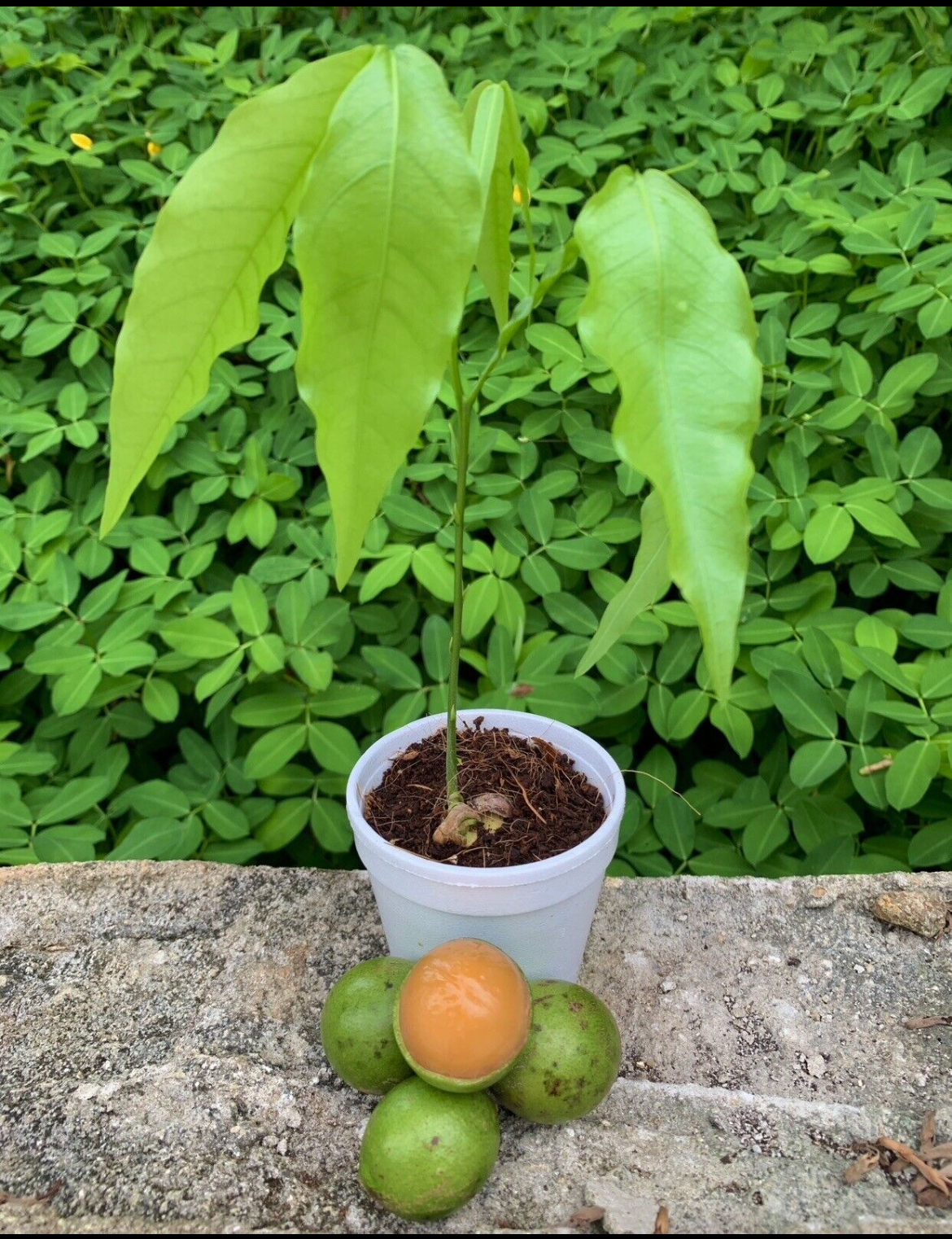
Quenepa / Mamoncillo Live Plant – Melicoccus bijugatus Tropical Fruit Tree
Melicoccus bijugatus Jacq.
$21.89