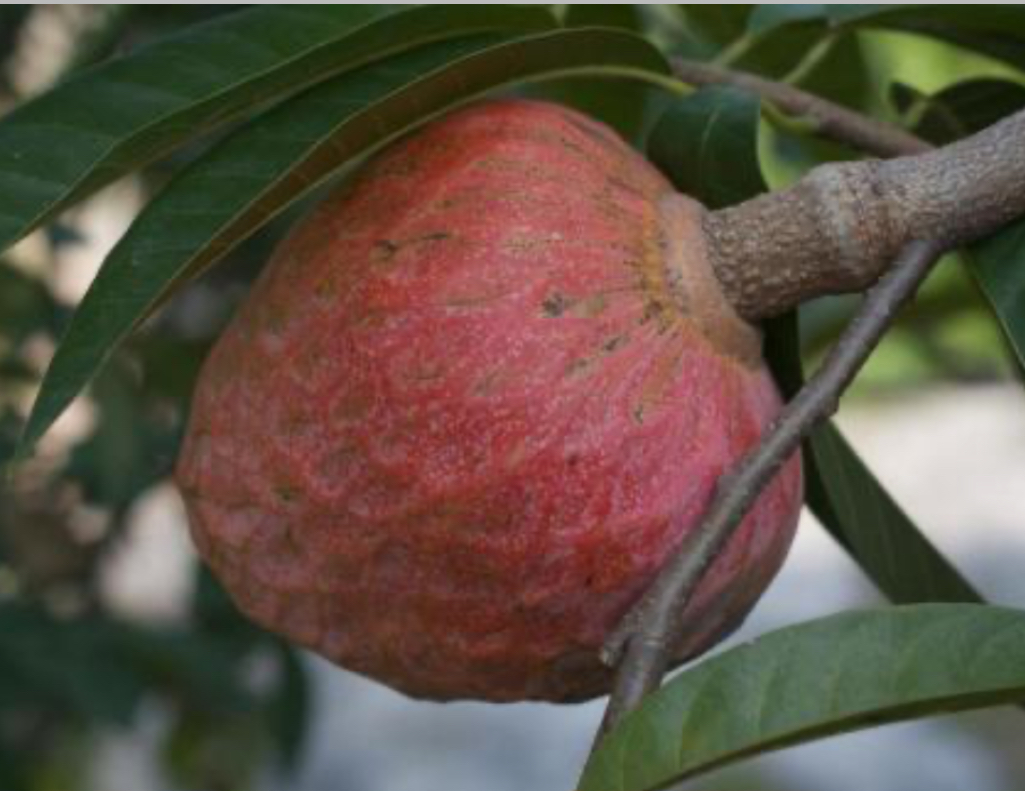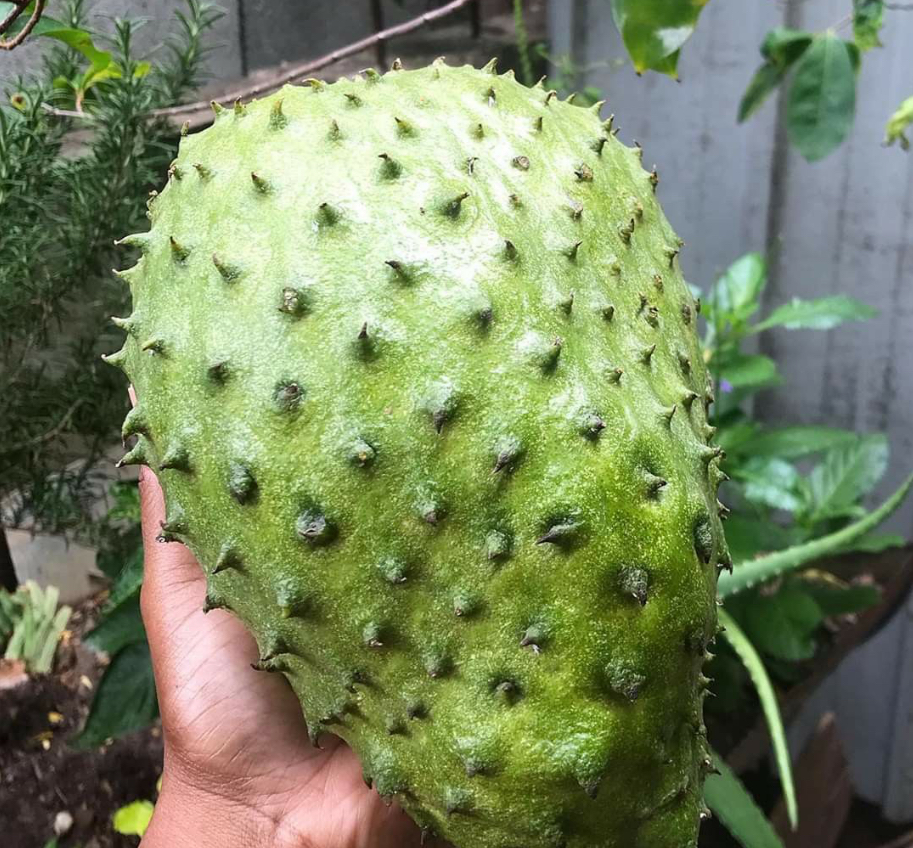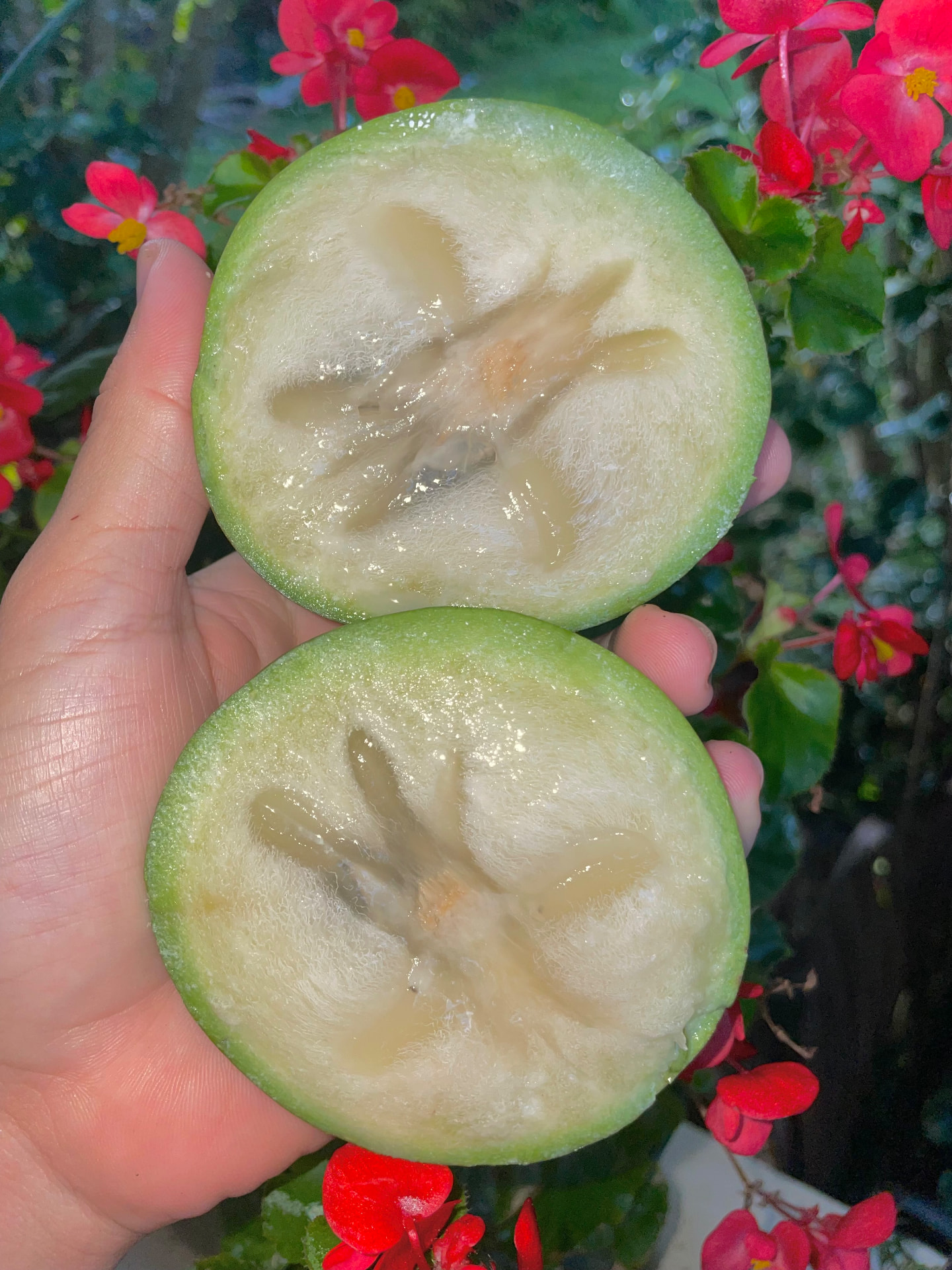
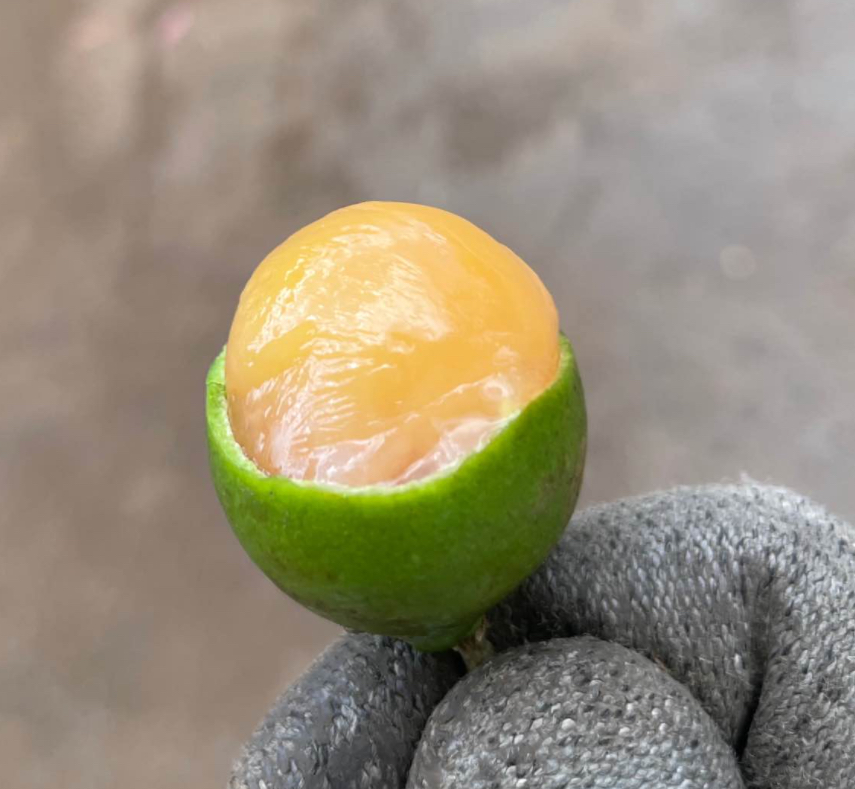
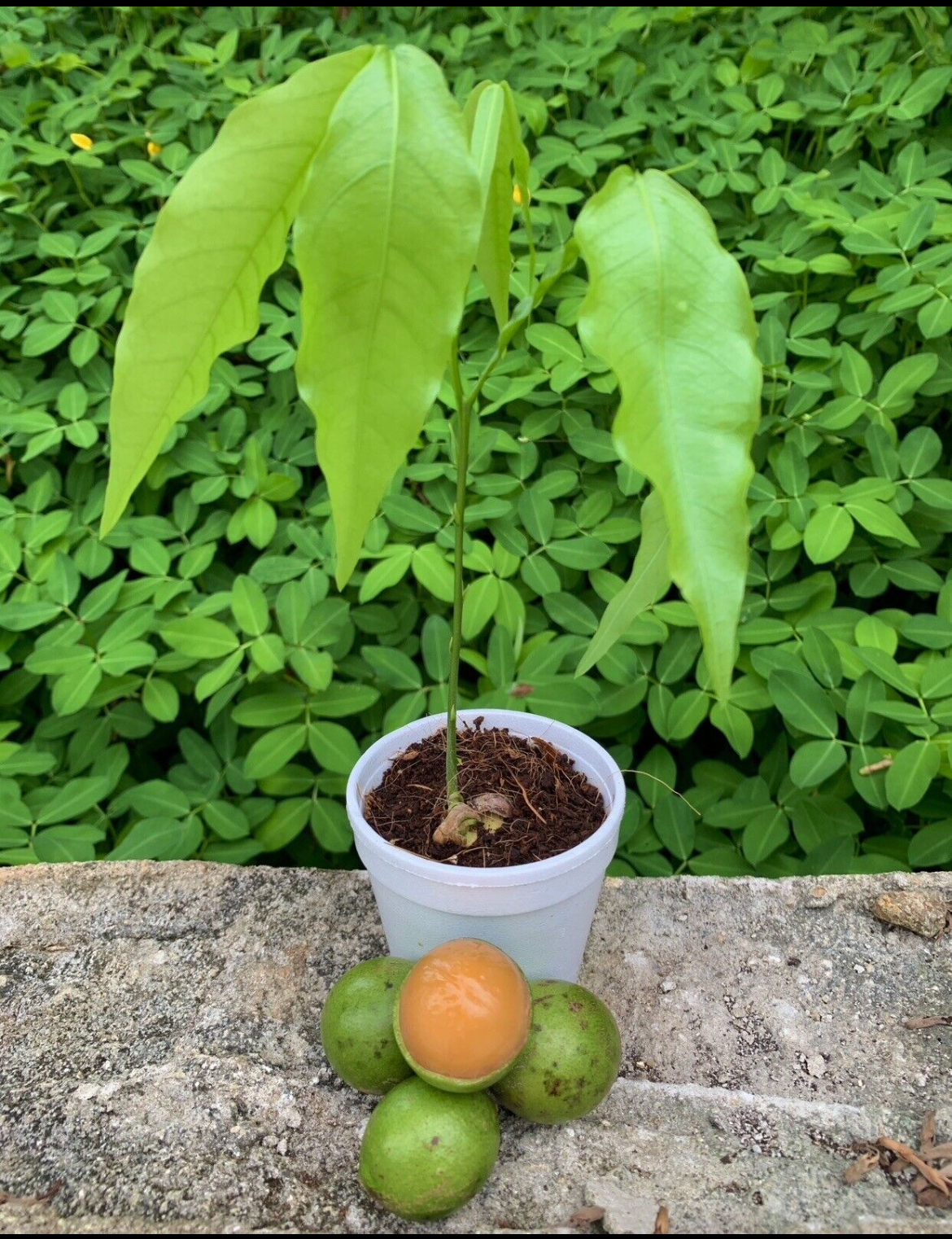
What you receiveWHAT YOU RECEIVE — One young quenepa (Melicoccus bijugatus) live plant approximately 7–8 inches tall. The fruit beside the pot is shown for species identification only. FRUIT NOT INCLUDED — this listing is for a live plant. Individual plants vary naturally in height, leaf number, branching and appearance.
Tropical Fruit Trees
Quenepa / Mamoncillo Live Plant
Melicoccus bijugatus Jacq.
Melicoccus bijugatus • Spanish Lime • Genip • Guinep
$21.89for 1 live plant, approx. 7–8 inches tall
LIVE PLANT
FREE SHIPPING
In stock — live plants are carefully prepared and dispatched within 1–2 business days
This listing is for ONE LIVE quenepa (Melicoccus bijugatus) plant approximately 7–8 inches tall — not seeds and not fruit.
1
One live Melicoccus bijugatus (quenepa / mamoncillo) plant, approximately 7–8 inches tall. A seed-grown tropical fruit tree in the Sapindaceae family, known across the Caribbean as quenepa, mamoncillo, Spanish lime, genip and guinep. Packed in Puerto Rico. Free shipping.
- Free shipping on this listing
- Secure encrypted checkout
- Carefully packed in Puerto Rico
- Detailed growing guide included
- Scientific name
- Melicoccus bijugatus Jacq.
- Family
- Sapindaceae
- Product type
- Live tropical fruit plant
- Plant size
- Approximately 7–8 inches tall
- Quantity
- 1 live plant
- Common names
- Quenepa, Mamoncillo, Mamón, Spanish Lime, Genip, Guinep
- Origin of names
- Quenepa (Puerto Rico), Mamoncillo (Spanish Caribbean), Spanish Lime (English)
- Climate
- Tropical / warm subtropical
- Light
- Abundant sun once established; start in bright filtered light after shipping and acclimate gradually
- Water
- Water consistently while establishing; good drainage, never continuously waterlogged
- Soil
- Adaptable but fertile and well draining
- Growth habit
- Can become a large tropical fruit tree under favorable conditions
- Propagation
- Seed-grown — plant sex is not determined and not guaranteed
- Cold sensitivity
- Protect young plants from frost and prolonged cold
- Difficulty
- Moderate — needs warmth, light and good drainage
Melicoccus bijugatus Jacq. is a tropical fruit tree in the Sapindaceae family — the soapberry family — and is one of the best-known seasonal fruits in Puerto Rico and across parts of the Caribbean and tropical America.
It is known by many regional names: quenepa in Puerto Rico, mamoncillo or mamón in much of the Spanish-speaking Caribbean, and Spanish lime, genip, genipe, guinep, kenep or chenette in English-speaking and Creole-speaking islands. The name Spanish lime refers only to the small round green fruit; the species is not a citrus and is not related to true limes.
The fruit develops in clusters and has a thin green outer skin. Inside is an edible fleshy aril-like pulp surrounding a relatively large seed. Flavor ranges from sweet to pleasantly tart depending on the individual tree and the maturity of the fruit.
This listing is for ONE live seed-grown plant approximately 7–8 inches tall. Fruit photographs illustrate the mature species for identification and are not included in the shipment. No cultivar, plant sex, fruiting age or future fruit production is claimed or guaranteed.
What You Receive
- ONE live Melicoccus bijugatus plant
- Approximately 7–8 inches tall
- Young seed-grown tropical fruit tree
- Carefully prepared for shipping
- Free shipping
- Species-specific growing guide
This listing is for ONE LIVE quenepa (Melicoccus bijugatus) plant approximately 7–8 inches tall — not seeds and not fruit.
Live Plant Notice — Fruit Not Included
This listing is for ONE LIVE PLANT. Fruit shown in mature-species photographs is NOT included.
This is a seed-grown plant. Quenepa reproduction can involve separate male and female flowering trees, and the sex of a young seed-grown plant generally cannot be reliably determined from its juvenile appearance. No plant sex, pollination outcome, named cultivar or future fruit production is claimed or guaranteed. Growers whose main goal is fruit should plan to evaluate flowering and pollination as plants mature.
Shipping temporarily changes the plant's light, humidity, airflow and temperature, so temporary leaf droop, minor leaf damage or cosmetic shipping stress can occur and does not automatically mean the plant is unhealthy.
Plants are living organisms and naturally vary in height, leaf number, branching, stem thickness and appearance. You will not necessarily receive the exact photographed specimen.
Arrival & acclimation
Arrival & Acclimation — First Days After Delivery
- 1
Open the package promptly
Unbox the plant soon after delivery so it can leave the dark, enclosed environment.
- 2
Carefully remove packing material
Take out padding, sleeves and ties gently to avoid snapping the young stem or leaves.
- 3
Inspect the plant and growing medium
Check leaves, stem, roots at the drainage holes and the moisture level of the medium.
- 4
Water only according to actual moisture
Do not water automatically after shipping. If the medium is still adequately moist, wait; if it is drying, water thoroughly and let excess drain away.
- 5
Place in bright, protected conditions
Start in bright indirect or filtered light, sheltered from strong wind and cold drafts.
- 6
Avoid intense all-day sun at first
A shipping-stressed plant placed straight into full midday sun can scorch. Give it shade during the harshest hours initially.
- 7
Acclimate gradually to stronger light
Over roughly 7–14 days, increase sun exposure step by step, starting with gentle morning sun.
- 8
Let it recover before transplanting or feeding
When practical, wait until the plant has stabilized and shows new growth before major repotting or fertilization.
A Caribbean Favorite
Quenepa is one of the most familiar seasonal fruits in Puerto Rico, sold along roadsides and at markets in clusters when the season arrives. Across the wider Caribbean and tropical America the same species is recognized under a long list of regional names — mamoncillo, mamón, Spanish lime, genip, genipe, guinep, kenep and chenette among them.
Selected types of Melicoccus bijugatus are cultivated commercially in Puerto Rico, and the species is a familiar dooryard and orchard tree throughout much of the Caribbean.
The English name Spanish lime comes only from the small round green fruit. Melicoccus bijugatus belongs to the Sapindaceae (soapberry) family and is not a citrus.
About Quenepa Fruit
Quenepa fruit develops in clusters and typically has a thin green outer skin. Inside is an edible fleshy, aril-like pulp surrounding a relatively large seed.
Flavor varies from sweet to pleasantly tart depending on the individual tree's genetics and the maturity of the fruit. It is commonly eaten fresh by opening the skin and enjoying the pulp around the seed.
Practical note: the large seed is not intended to be swallowed. Supervise young children when eating quenepa.
Fruit photographs on this page identify the mature species. Fruit is not included with this live plant listing, and no claim is made about the fruit a seed-grown plant may eventually produce.
Quenepa in Puerto Rico
In Puerto Rico quenepa is a familiar and highly appreciated fruit, strongly associated with the summer season, and selected varieties are grown commercially on the island.
This particular plant is seed-grown. It is not identified as any named Puerto Rican cultivar, and no provenance beyond what is stated here is claimed.
Climate & Temperature
- A tropical to subtropical fruit tree best adapted to consistently warm conditions.
- Growth slows in cool weather and resumes as warmth returns.
- Not frost hardy — protect young plants from frost and prolonged cold.
- In cooler regions, keep the plant containerized so it can be moved to shelter.
Light
- Start a newly shipped plant in bright filtered light.
- Acclimate gradually to stronger sunlight over about 7–14 days.
- Established trees generally perform well with abundant sun.
- In very hot, dry sites some afternoon shade reduces stress on young plants.
Soil, Drainage & Water
- Adaptable to a range of soils, but good drainage is important.
- Fertile, free-draining soil or a quality tropical-fruit potting mix suits young plants best.
- Add perlite or a similar amendment if the mix holds too much water.
- Water consistently while the young plant establishes; water thoroughly and let excess drain.
- Avoid keeping the roots continuously waterlogged, and avoid prolonged severe dryness.
Transplanting & Container Growing
Allow the plant to recover from shipping before transplanting when practical. When repotting is needed, step up gradually into a somewhat larger container with drainage holes rather than placing a small root system into a very large pot.
A young quenepa grows well in a container, but Melicoccus bijugatus naturally develops into a substantial tropical tree and eventually requires significant root and canopy space. In suitable climates it can be planted into well-draining ground in a sunny position with plenty of long-term room.
Fertilization & Pruning
- Wait until the plant has recovered from transit and is actively growing before beginning fertilizer.
- Use a balanced fertilizer suitable for tropical fruit trees at conservative rates, following the manufacturer's directions.
- Avoid heavy feeding of very young or recently shipped plants.
- Use light formative pruning to build a sound structure and remove damaged growth.
- Later pruning can keep the canopy at a more manageable size where space is limited.
Flowering, Pollination & Fruiting
Quenepa reproduction can involve separate male and female flowering trees, so pollination is a real consideration for growers whose goal is fruit. The sex of a young seed-grown plant generally cannot be determined from juvenile foliage; it becomes apparent once the tree flowers.
Growers focused on fruit production often grow more than one seedling to improve the chance of having compatible flowering trees, and evaluate flowering as the plants mature.
Seed-grown trees require considerable maturity before flowering and fruiting, and timing varies widely with climate, soil and care. No fruiting age, yield or fruit production is guaranteed.
Why grow it
Why grow Quenepa?
Iconic Puerto Rican and Caribbean seasonal fruit tree
Known as quenepa, mamoncillo, Spanish lime, genip and guinep
Sweet to pleasantly tart edible pulp when mature
Handsome tropical shade tree in favorable climates
Container-friendly while young
Excellent species for tropical fruit collectors
You may also like
Related products