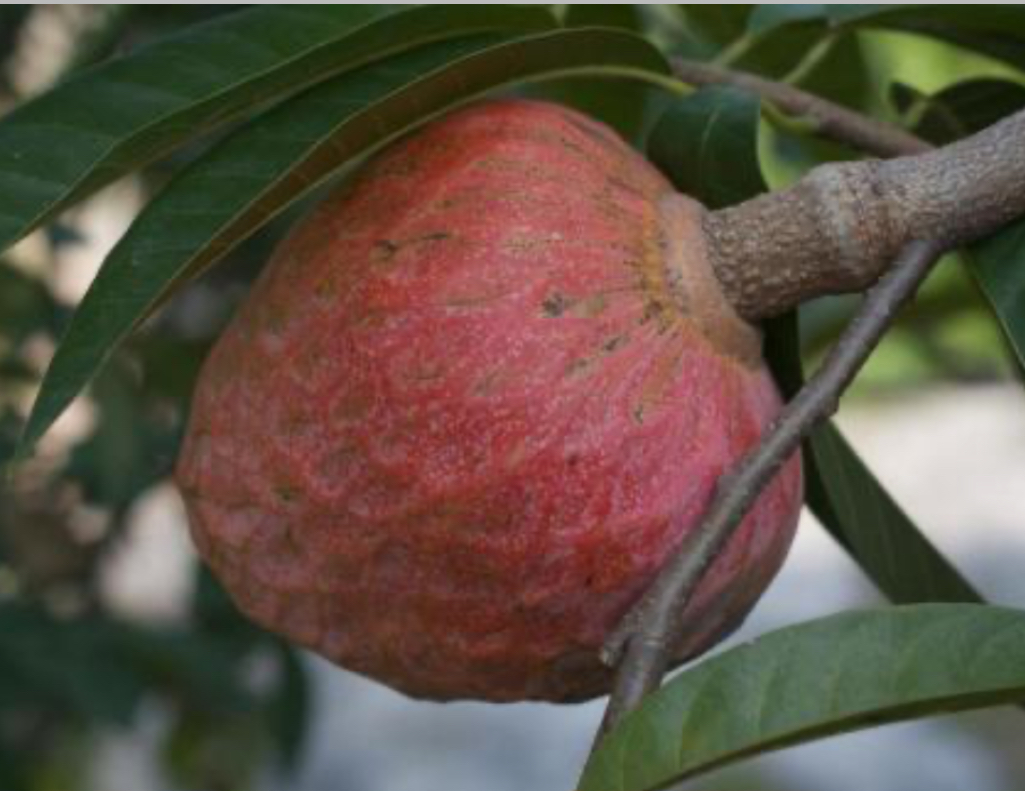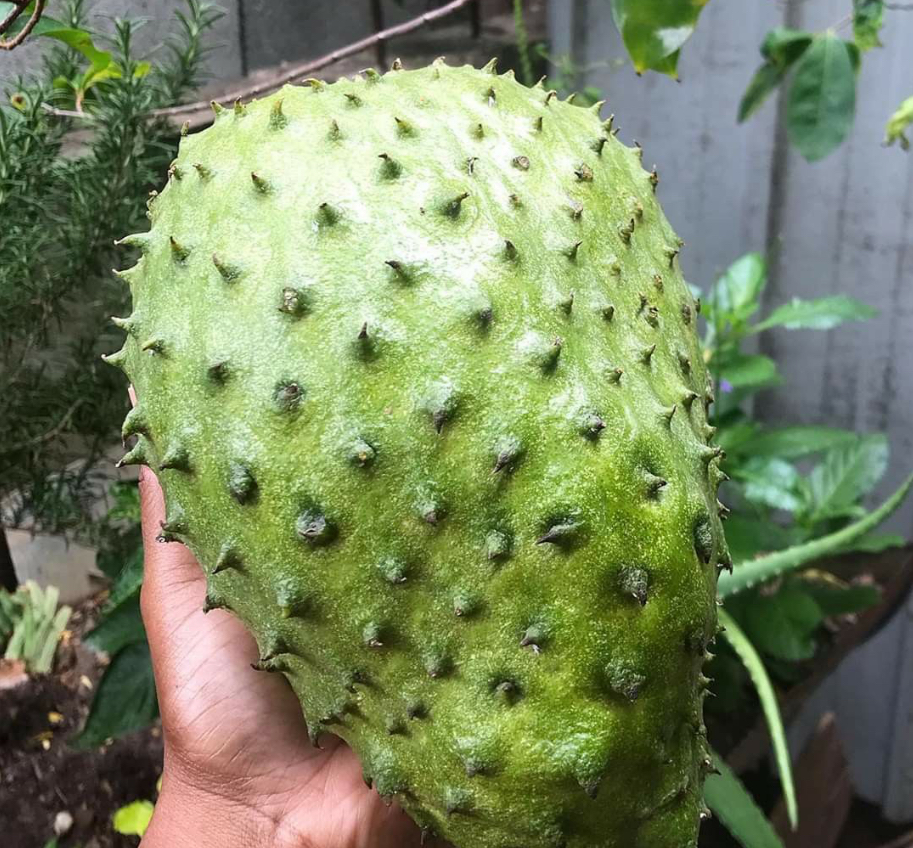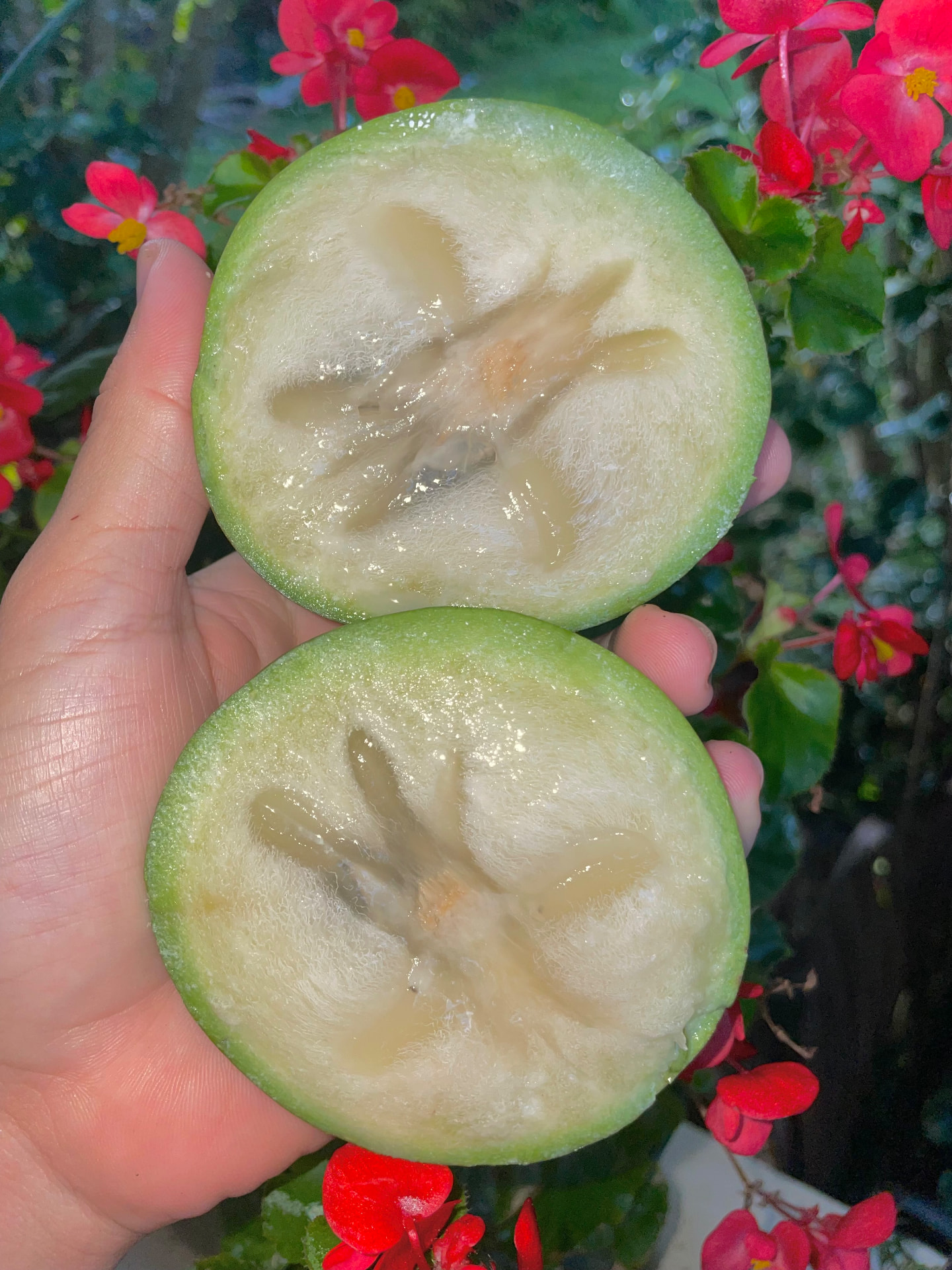
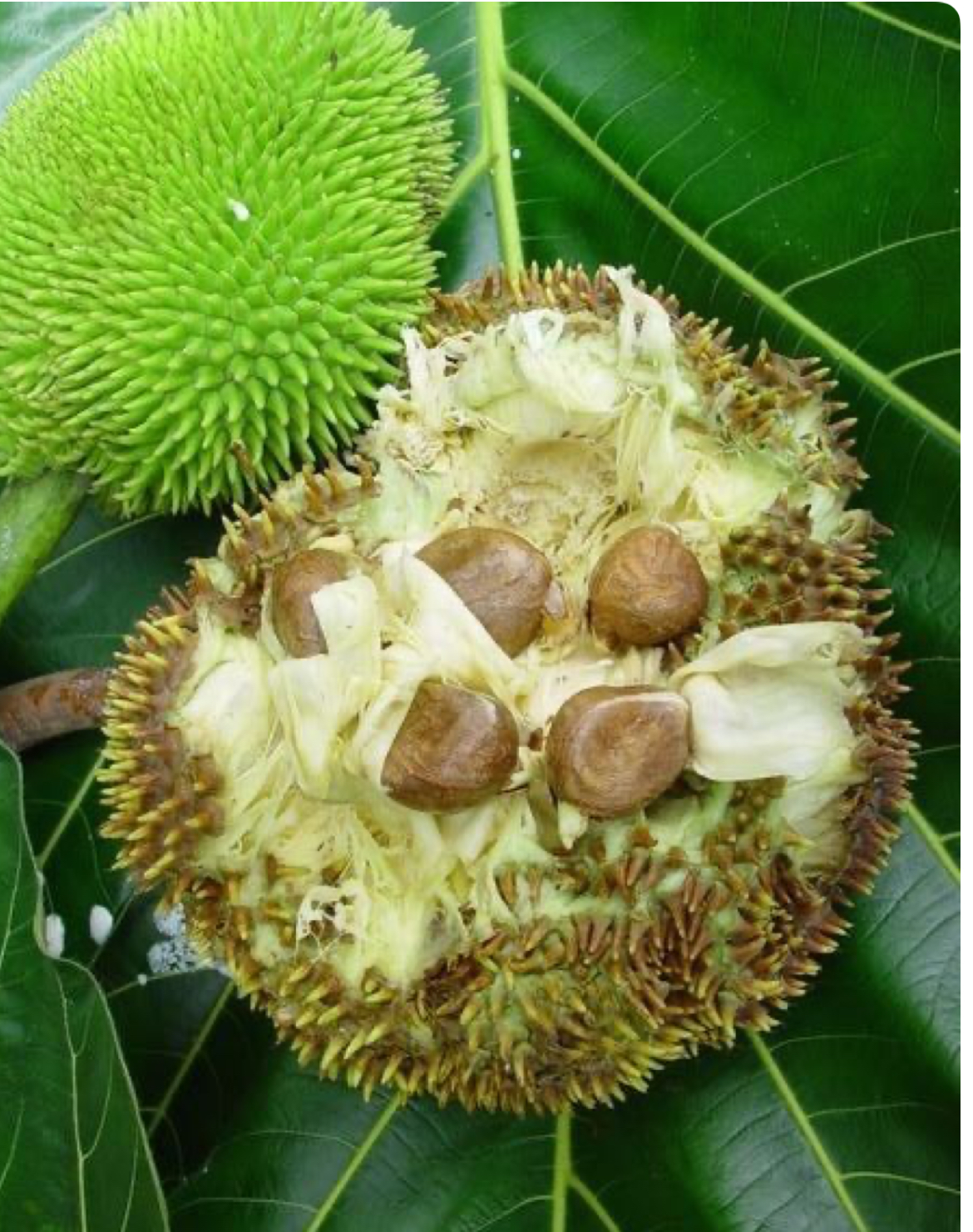
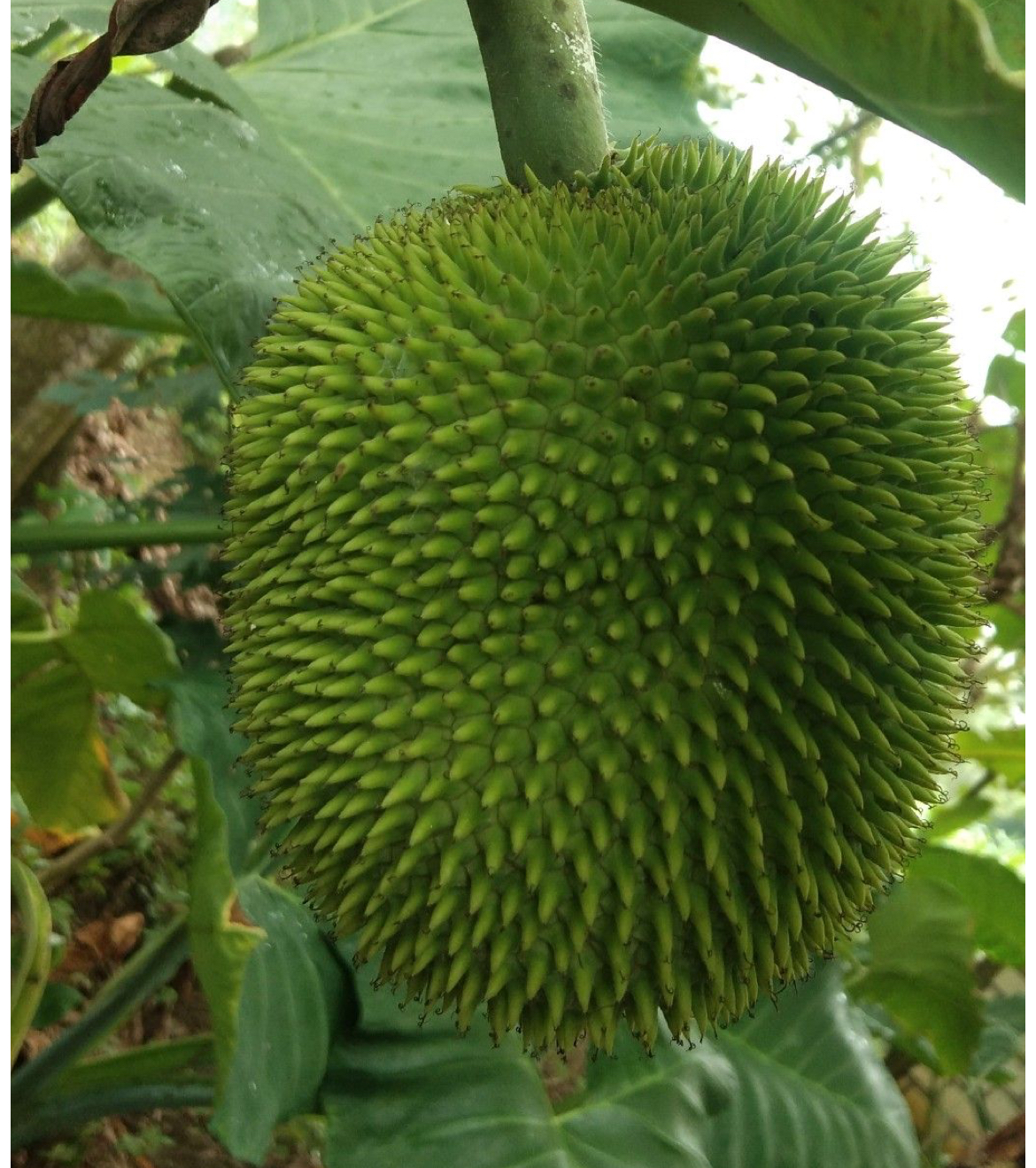
About the speciesABOUT THE SPECIES — Mature Artocarpus camansi (Pana de Pepitas / Breadnut) fruit. Fruit is not included.
Tropical Fruit Trees
Artocarpus camansi Live Plant
Artocarpus camansi Blanco
Pana de Pepitas • Breadnut • Seeded Breadfruit
$24.00for 1 live plant, approx. 10–12 inches tall
FREE SHIPPING
In stock — live plants are carefully prepared and dispatched within 1–2 business days
This listing is for ONE LIVE Artocarpus camansi plant approximately 10–12 inches tall — not seeds and not fruit.
1
One live Artocarpus camansi plant, approximately 10–12 inches tall. Known in Puerto Rico as Pana de Pepitas or Pana de Semilla, this is the SEEDED breadfruit relative grown for its numerous large edible seeds — not the seedless pana (Artocarpus altilis). Free shipping.
- Free shipping on this listing
- Secure encrypted checkout
- Carefully packed in Puerto Rico
- Detailed growing guide included
- Scientific name
- Artocarpus camansi Blanco
- Family
- Moraceae
- Product type
- Live tropical fruit / food tree
- Plant size
- Approximately 10–12 inches tall
- Quantity
- 1 live plant
- Common names
- Pana de Pepitas, Pana de Semilla, Breadnut, Seeded Breadfruit
- Climate
- Tropical
- Light
- Bright light; established trees perform well in abundant sunlight. Gradually acclimate recently shipped young plants to stronger direct sun.
- Water
- Maintain consistent moisture with good drainage. Avoid prolonged waterlogging.
- Soil
- Fertile, organic, moisture-retentive but well-draining soil.
- Growth habit
- Fast-growing tropical tree that can eventually become a substantial tree.
- Cold sensitivity
- Tropical species; protect young plants from frost and prolonged cold.
- Not the same as
- Artocarpus altilis, the common seedless breadfruit (pana)
Artocarpus camansi Blanco is a tropical tree in the Moraceae family and a close relative of breadfruit. It is native to the tropical western Pacific region and is now cultivated across tropical regions, including the Caribbean.
It is a distinct species, not a variety of the common seedless breadfruit. Where Artocarpus altilis is grown for its starchy seedless flesh, Artocarpus camansi is grown especially for the numerous large edible seeds inside its fruit — which is why Puerto Rico calls it Pana de Pepitas or Pana de Semilla.
The tree carries large, deeply lobed tropical foliage and grows quickly, eventually becoming a substantial tree. It is valued both as a food tree and as a useful agroforestry and shade species.
Mature fruits are generally green to greenish-yellow or brown with a distinctive spiny, textured exterior. Inside, the fruit holds many large seeds and comparatively less pulp than common seedless breadfruit.
This listing is for one young live plant approximately 10–12 inches tall. Fruit and seed photographs illustrate the mature species and do not represent what is included in the shipment. No fruiting age or future production is promised.
What You Receive
- 1 live Artocarpus camansi plant
- Approximately 10–12 inches tall
- Carefully prepared for shipping
- Free shipping
- Detailed Artocarpus camansi growing guide
This listing is for ONE LIVE Artocarpus camansi plant approximately 10–12 inches tall — not seeds and not fruit.
Live Plant Notice
This plant has been grown in warm tropical conditions. Shipping temporarily changes its light, humidity, airflow and temperature, so minor cosmetic shipping stress may occur.
Temporary leaf drooping, slight yellowing, small leaf blemishes or the loss of an older leaf can occur after transit and does not necessarily indicate that the plant is unhealthy.
Unpack the plant promptly after delivery, and do not immediately place a recently shipped plant into intense full sun.
Avoid unnecessary immediate repotting unless the growing medium or container clearly requires it.
Individual live plants naturally vary slightly in height, leaf count and appearance.
First 7 days
First 7 Days After Arrival
- 1
Unpack promptly
Carefully remove the plant and shipping materials soon after delivery.
- 2
Inspect the plant
Check the large leaves, stem, growing medium and moisture level. Artocarpus foliage is broad and can pick up minor transit creasing without harm to the plant.
- 3
Check soil moisture before watering
Do not water automatically simply because the plant arrived in the mail. If the growing medium is still adequately moist, wait. If it is becoming dry, water thoroughly and allow excess water to drain.
- 4
Begin with bright filtered light
Place the plant in bright indirect or filtered light during its initial recovery.
- 5
Acclimate gradually to stronger sunlight
Over approximately 7–14 days, gradually introduce the plant to stronger direct sun depending on your local climate and growing conditions.
- 6
Avoid heavy fertilizer immediately after shipping
Allow the plant to recover from transit before applying fertilizer.
- 7
Watch for new growth
A new leaf pushing from the growing tip is one of the best indications that the plant has acclimated successfully.
What is Pana de Pepitas?
In Puerto Rico, Artocarpus camansi is commonly known as Pana de Pepitas — and also as Pana de Semilla. The name refers directly to the numerous edible seeds (pepitas) found inside the fruit.
It should not be confused with the commonly grown seedless pana or breadfruit, Artocarpus altilis. That species is grown for its starchy seedless flesh; this one is grown for its seeds.
In short: Artocarpus camansi = seeded breadnut = Pana de Pepitas. Artocarpus altilis = seedless breadfruit = the familiar pana / panapén.
About the species
Artocarpus camansi is native to the tropical western Pacific region and is now cultivated in tropical regions worldwide, including the Caribbean.
It grows quickly into a tropical tree with large, deeply lobed leaves that give it a bold, unmistakable canopy. Beyond food, it is a useful agroforestry, shade and multipurpose tree.
Mature fruits are generally green to greenish-yellow or brown, with a distinctive spiny, textured exterior. Inside, the fruit holds numerous large seeds surrounded by comparatively less pulp than common seedless breadfruit.
How is it eaten?
The large seeds are one of the principal edible portions of the fruit, and they should always be COOKED before eating.
Cooked breadnut seeds have a starchy texture and are commonly compared with chestnuts.
Immature fruit — with its still-soft young seeds — can also be sliced and cooked as a vegetable.
- Boiled seeds
- Roasted seeds
- Cooked seeds incorporated into savory dishes
- Soups
- Stews
- Other traditional tropical preparations
- Immature fruit sliced and cooked as a vegetable
Harvesting and using the fruit
Fruit develops on the tree over the growing season and is harvested according to the intended culinary use rather than a fixed calendar date.
For vegetable-style preparations, fruit may be harvested while still immature and cooked whole or sliced.
For the seeds, allow the fruit and its seeds to reach appropriate maturity before harvesting, then extract and cook the seeds.
Development varies considerably with climate, growing conditions and individual tree, so treat harvest stage as a judgement based on the fruit rather than a strict timetable.
Food and nutrition
The edible seeds are nutritious, providing protein, carbohydrates and minerals as part of a varied diet.
The National Tropical Botanical Garden notes that Breadnut seeds are relatively high in protein and lower in fat than many common tree nuts.
No medicinal or disease-treatment claims are made about this species or this plant.
Light
Established Artocarpus camansi trees perform well in abundant sunlight in warm tropical conditions, but a newly shipped young plant should not move directly from a shipping box into intense afternoon sun.
Start in bright filtered light and increase exposure gradually over roughly one to two weeks, introducing gentler morning sun first.
Watering
- Maintain consistent moisture — this species dislikes drying out completely.
- Water thoroughly rather than applying small amounts frequently.
- Allow excess water to escape through drainage holes; avoid prolonged waterlogging.
- Check the growing medium instead of watering strictly by calendar.
- Large leaves transpire quickly, so young container plants may need more frequent monitoring in hot or windy weather.
Soil and drainage
- Fertile soil with plenty of organic matter.
- Moisture-retentive but well draining at every stage of growth.
- A quality tropical-fruit potting mix for container culture.
- Add perlite or a similar amendment if the mix stays soggy.
Humidity and airflow
Moderate to high humidity suits this tropical species, particularly while the plant is young and re-establishing after shipping.
Gentle air movement keeps the large leaves healthy; avoid harsh drying wind, which can tatter foliage during acclimation.
Temperature and cold protection
Artocarpus camansi is a tropical species and is not frost hardy.
Protect young plants from frost, cold winds and prolonged cold. Growers in cooler climates should keep the plant in a container so it can be moved into a greenhouse, indoors or another protected environment when temperatures drop.
Repotting
Do not automatically transplant the plant immediately after shipping — allow it to acclimate first whenever possible.
This is a fast-growing species, so expect to pot up more often than with slower tropical trees. Step up gradually to a somewhat larger container rather than placing a small root system into an excessively large pot, and always use containers with drainage holes.
Fertilization
Wait until the plant has recovered from shipping and is actively growing before beginning fertilizer.
Once settled, use an appropriate balanced fertilizer for tropical fruit trees according to the manufacturer's directions. Fast growth responds well to steady, moderate feeding rather than heavy doses on young plants.
Container growing while young
- Container growing works well while the plant is young.
- Use deep pots with generous drainage holes and step up size as roots fill the container.
- Provide warmth and abundant light after acclimation.
- Containers dry faster than ground plantings — monitor moisture more often in warm weather.
- A container will restrain size, but this species is ultimately a large tree and is happiest in the ground in a suitable climate.
Outdoor planting, spacing and long-term size
In frost-free tropical conditions, Artocarpus camansi can be planted permanently in the ground in fertile, well-draining soil with abundant sunlight.
Because it grows fast and can eventually become a substantial tree, give it generous space away from buildings, roofs, walls, septic systems and overhead lines. Plan for a wide mature canopy rather than the size of the young plant you receive.
Pruning and long-term cultivation
Remove damaged growth and shape the plant gradually as it develops rather than pruning heavily at once.
Formative pruning while the tree is young helps keep the canopy at a manageable height and makes future harvesting far easier on a species that would otherwise grow tall.
Mulch, steady moisture and warmth support long-term tropical cultivation. Time to flowering and fruiting depends on climate, care and growing conditions, and no fruiting age or future production is promised.
Why grow it
Why grow Pana de Pepitas?
The true SEEDED breadfruit relative — not Artocarpus altilis
Numerous large edible seeds, cooked like chestnuts
Immature fruit can be cooked as a vegetable
Bold, large tropical foliage
Fast-growing tropical food and agroforestry tree
Traditional Puerto Rican Pana de Pepitas / Pana de Semilla
Suitable for container growing while young
You may also like
Related products