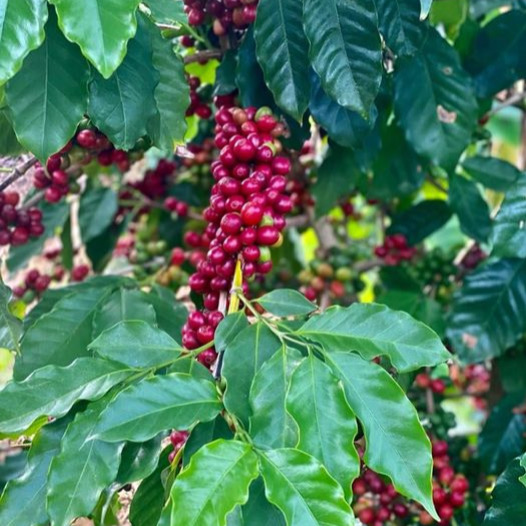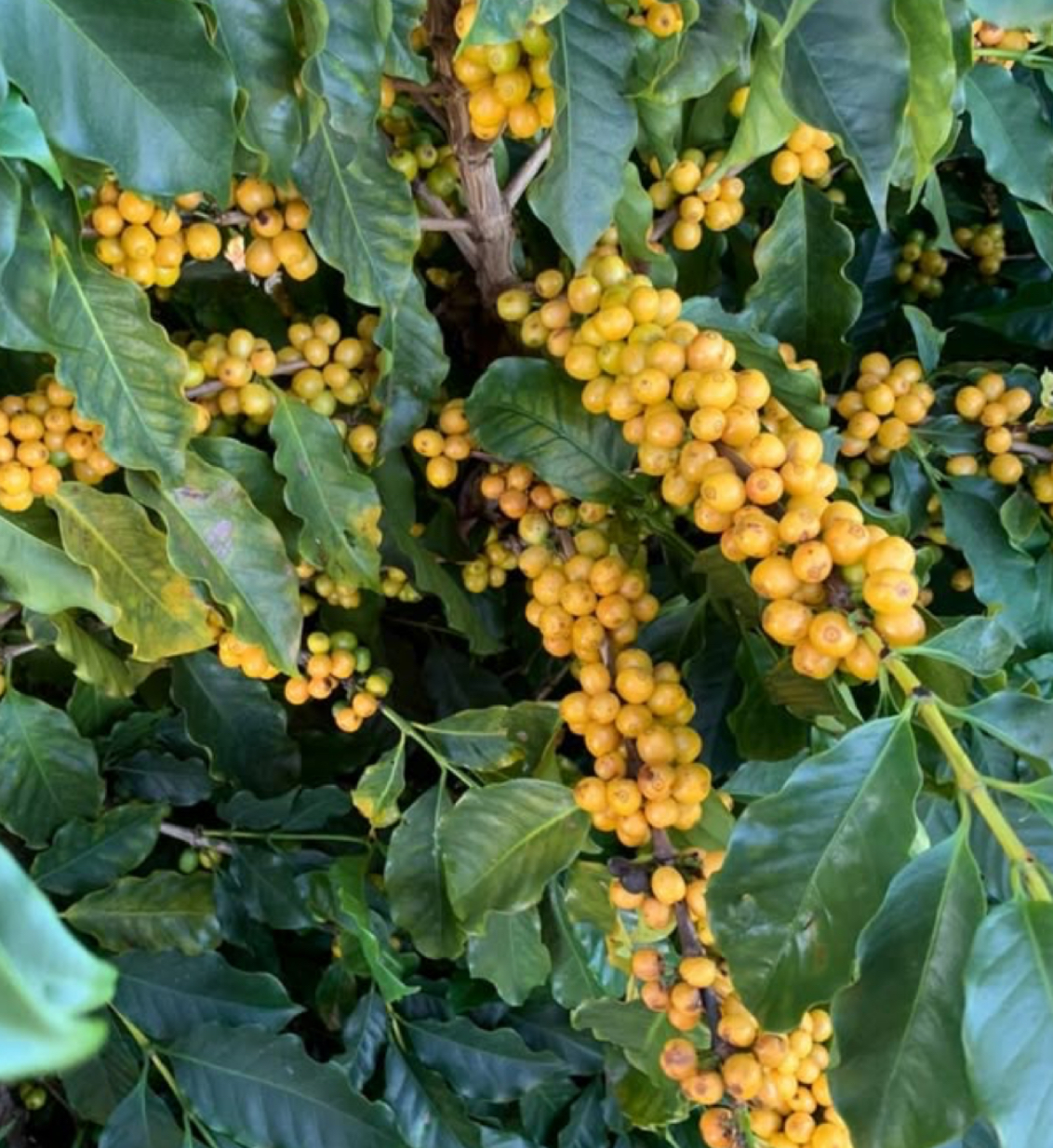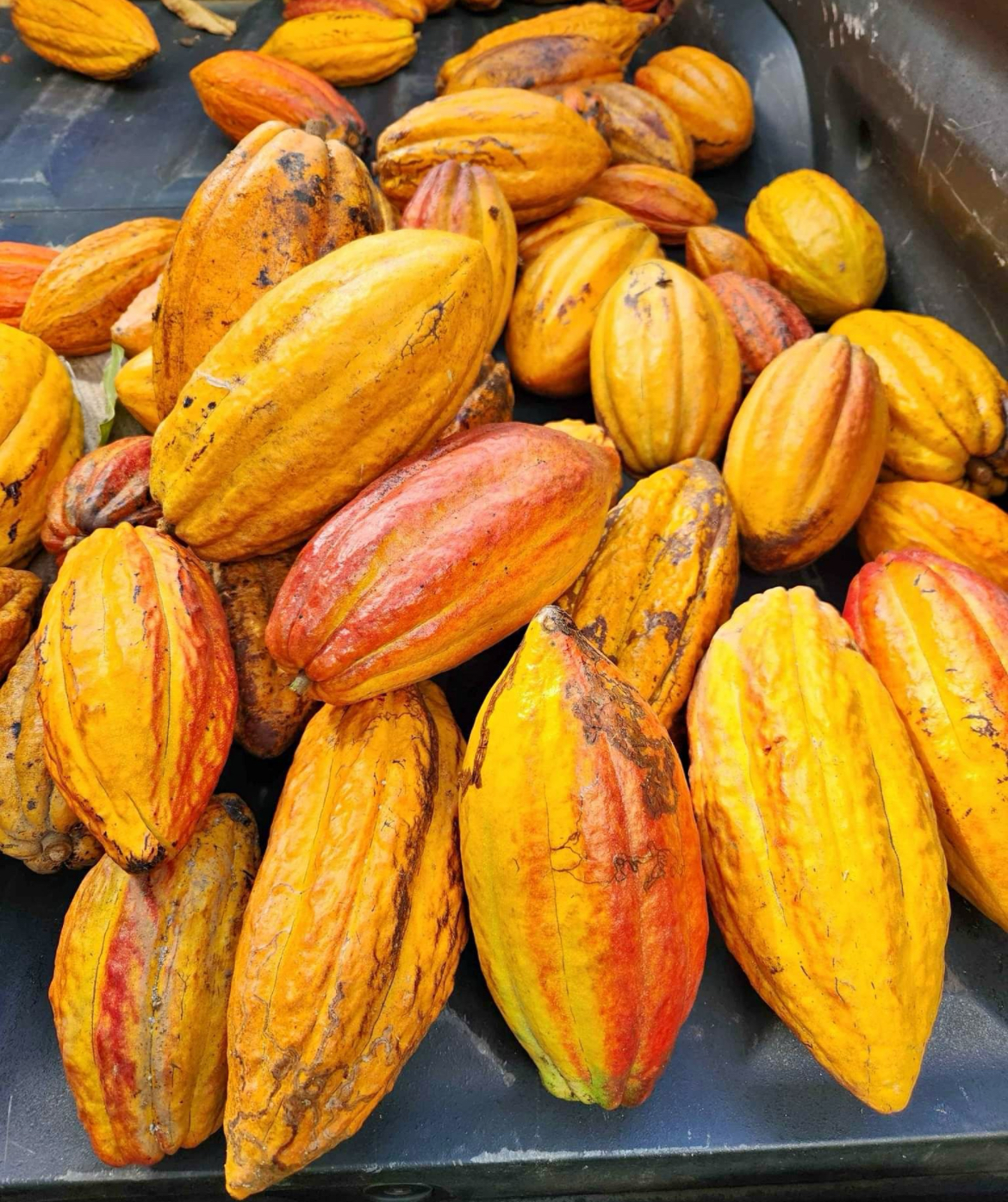
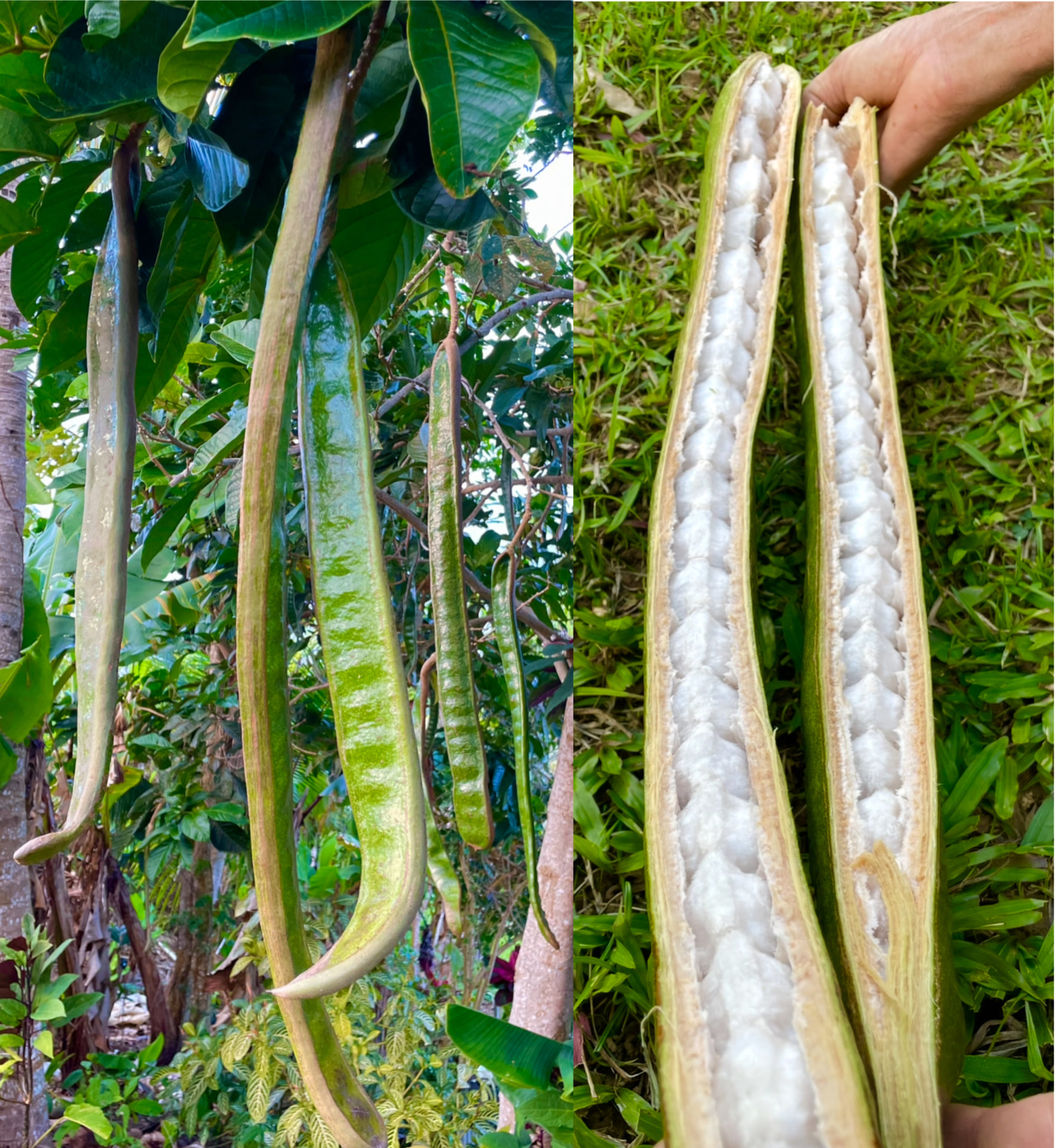
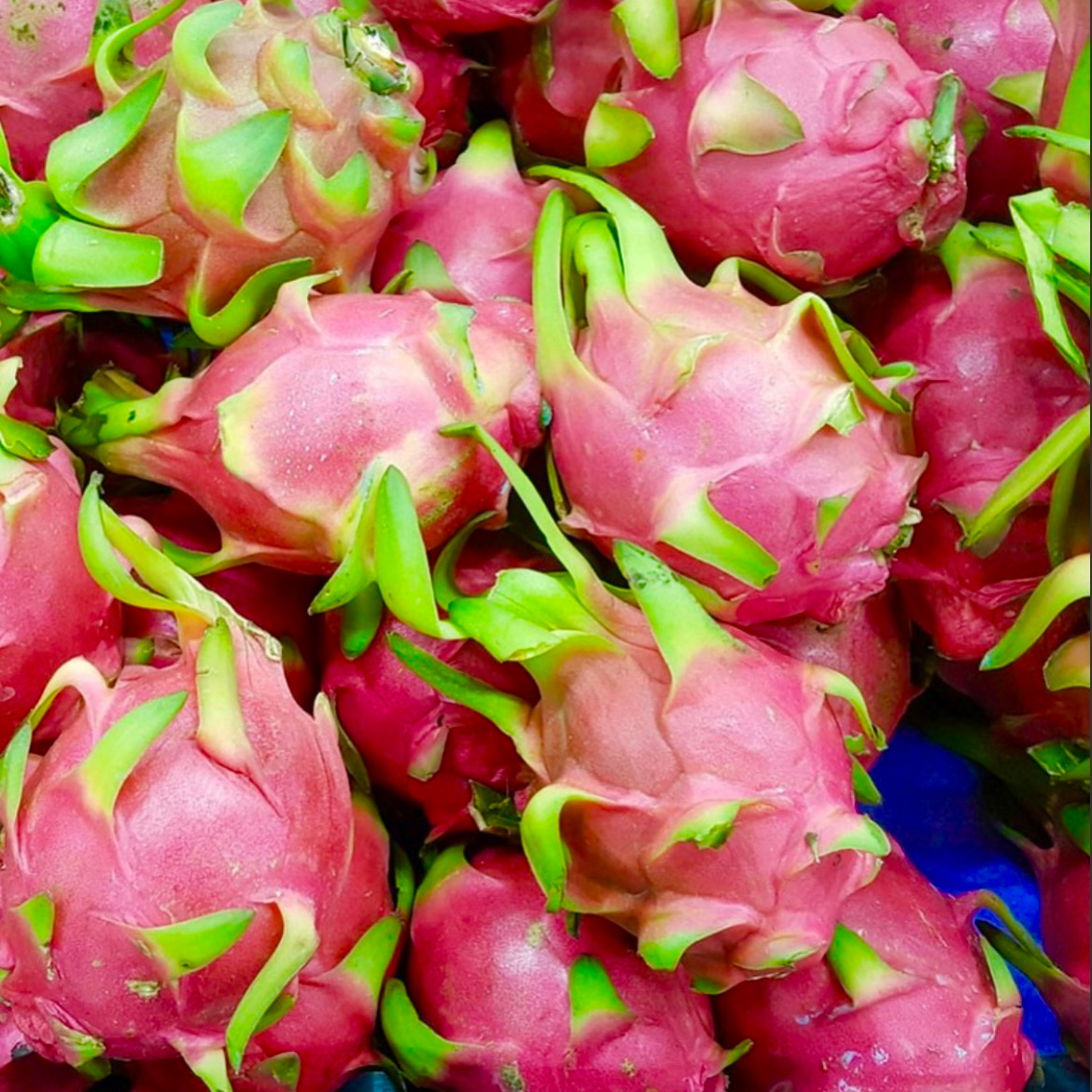
About the speciesABOUT THE SPECIES — Harvested pitaya fruit for reference. Fruit is not included.
Tropical Fruit Plants
Dragon Fruit Cuttings – 4 Unrooted, Ready to Root
Selenicereus sp.
Selenicereus sp. • Pitaya • Pitahaya
$18.89for set of 4 cuttings
4 UNROOTED CUTTINGS
FREE SHIPPING
In stock — cuttings are freshly cut and dispatched within 1–2 business days
You are purchasing 4 fresh UNROOTED Dragon Fruit (Selenicereus sp.) cuttings, ready to root. These are NOT rooted plants. Fruit is not included. FREE SHIPPING.
1
4 fresh UNROOTED Dragon Fruit (Selenicereus sp.) cuttings, ready to root. Not rooted plants. Fruit not included. Free shipping.
- Free shipping on this listing
- Secure encrypted checkout
- Carefully packed in Puerto Rico
- Detailed growing guide included
- Genus
- Selenicereus sp.
- Family
- Cactaceae
- Product type
- UNROOTED stem cuttings
- Quantity
- 4 cuttings
- Habit
- Climbing cactus; needs support
- Light
- Bright shade while rooting; sun once established
- Medium
- Very fast-draining
IMPORTANT: These are UNROOTED cuttings, sold ready to root. They are not rooted cuttings or established plants.
Dragon fruit is not a desert cactus. Selenicereus is a climbing, epiphytic cactus from tropical American forests that scrambles up trees and rocks using aerial roots that sprout along its three-ribbed, succulent stems. In cultivation it is trained up a sturdy post or trellis, then allowed to cascade from the top, where most flowering happens.
Stem cuttings are how dragon fruit is normally propagated. A healthy segment already holds water and energy reserves, and it will produce roots from the base — and aerial roots along its sides — once planted. Shipping cuttings unrooted lets the cut end heal cleanly and avoids tearing fragile new roots in transit.
We identify these honestly as Selenicereus sp. We do not claim Selenicereus undatus, a cultivar, skin or flesh color, self-fertility or pollination compatibility.
What You Receive
- 4 fresh Dragon Fruit (Selenicereus sp.) stem cuttings
- CUTTINGS ARE NOT ROOTED — sold ready to root
- Natural variation in length, thickness and shape
- No species, cultivar or fruit color claimed
- Fruit is not included
- Free shipping
You are purchasing 4 fresh UNROOTED Dragon Fruit (Selenicereus sp.) cuttings, ready to root. These are NOT rooted plants. Fruit is not included. FREE SHIPPING.
Unrooted Cuttings — Not Rooted Plants
You receive 4 fresh stem cuttings without roots. You will root them at home.
Rooting success, rooting time, fruiting and fruit color are not guaranteed.
Fruit photographs are species reference only; fruit is not included.
From cutting to rooted plant
Rooting Your Dragon Fruit Cuttings
- 1
Inspect
Unpack on arrival. Cuttings should be firm and green; minor surface marks are normal.
- 2
Let the cut end callus
If the base is still moist or fresh, leave the cuttings in a dry, shaded, airy spot until the cut surface is dry and sealed.
- 3
Orient correctly
The base is the end nearest where it was cut from the parent stem. Plant it down; an upside-down cutting will not root properly.
- 4
Plant shallowly
Insert the base a few centimeters into a gritty, fast-draining cactus-type mix — just deep enough to stand upright.
- 5
Water sparingly
Wait a few days, then water lightly. Keep the mix barely moist, never wet, until roots form.
- 6
Bright shade, then sun
Root in warm, bright indirect light. When new growth appears, acclimate to direct sun gradually.
CORRECT ✓
Callused base, correct orientation, gritty medium, light watering, warmth and bright shade while rooting.
AVOID ✕
Planting upside down, burying deeply, soaking the medium, cold temperatures or harsh sun before roots form.
A Climbing Cactus
Selenicereus stems are succulent, three-sided and edged with small areoles. Aerial roots let the plant grip supports and absorb moisture. Mature plants become heavy, which is why growers use sturdy posts — often with a ring or frame at the top for stems to drape over.
Fresh fruit FAQ
Questions about fresh cacao pods
- Are these cuttings rooted?
- No. They are shipped UNROOTED and ready to root. Rooting happens after you plant them.
- How long do they take to root?
- It depends on warmth, moisture and the cutting. Roots commonly form over several weeks in warm conditions, but no rooting time or rate is guaranteed.
- What color fruit will they produce?
- Not claimed. The species and cultivar are not identified, so skin and flesh color are not guaranteed.
- Will one plant fruit alone?
- Some dragon fruit plants self-pollinate and others need cross-pollination. Self-fertility of this source is not known; growing more than one plant helps.
Avoiding Rot
Overwatering is the most common reason cuttings fail. Until roots develop, the cutting lives on its own reserves; wet medium around an unrooted base invites soft rot. Water lightly and let the mix dry partially between waterings.
Fresh fruit FAQ
Questions about fresh cacao pods
- Are these cuttings rooted?
- No. They are shipped UNROOTED and ready to root. Rooting happens after you plant them.
- How long do they take to root?
- It depends on warmth, moisture and the cutting. Roots commonly form over several weeks in warm conditions, but no rooting time or rate is guaranteed.
- What color fruit will they produce?
- Not claimed. The species and cultivar are not identified, so skin and flesh color are not guaranteed.
- Will one plant fruit alone?
- Some dragon fruit plants self-pollinate and others need cross-pollination. Self-fertility of this source is not known; growing more than one plant helps.
Flowers and Fruit
Established plants produce large, fragrant white flowers that open at night and last a single night. Depending on the plant, fruit may set by self-pollination or require pollen from a compatible plant. Fruit develops over several weeks after successful pollination.
Fresh fruit FAQ
Questions about fresh cacao pods
- Are these cuttings rooted?
- No. They are shipped UNROOTED and ready to root. Rooting happens after you plant them.
- How long do they take to root?
- It depends on warmth, moisture and the cutting. Roots commonly form over several weeks in warm conditions, but no rooting time or rate is guaranteed.
- What color fruit will they produce?
- Not claimed. The species and cultivar are not identified, so skin and flesh color are not guaranteed.
- Will one plant fruit alone?
- Some dragon fruit plants self-pollinate and others need cross-pollination. Self-fertility of this source is not known; growing more than one plant helps.
Container Growing
Dragon fruit grows well in a large, heavy container with a central support. Containers make it possible to move plants under cover in cool weather.
Fresh fruit FAQ
Questions about fresh cacao pods
- Are these cuttings rooted?
- No. They are shipped UNROOTED and ready to root. Rooting happens after you plant them.
- How long do they take to root?
- It depends on warmth, moisture and the cutting. Roots commonly form over several weeks in warm conditions, but no rooting time or rate is guaranteed.
- What color fruit will they produce?
- Not claimed. The species and cultivar are not identified, so skin and flesh color are not guaranteed.
- Will one plant fruit alone?
- Some dragon fruit plants self-pollinate and others need cross-pollination. Self-fertility of this source is not known; growing more than one plant helps.
Common Rooting Mistakes
- Planting before the cut end has dried
- Planting upside down
- Keeping the medium constantly wet
- Full sun before roots form
- Using heavy garden soil
Fresh fruit FAQ
Questions about fresh cacao pods
- Are these cuttings rooted?
- No. They are shipped UNROOTED and ready to root. Rooting happens after you plant them.
- How long do they take to root?
- It depends on warmth, moisture and the cutting. Roots commonly form over several weeks in warm conditions, but no rooting time or rate is guaranteed.
- What color fruit will they produce?
- Not claimed. The species and cultivar are not identified, so skin and flesh color are not guaranteed.
- Will one plant fruit alone?
- Some dragon fruit plants self-pollinate and others need cross-pollination. Self-fertility of this source is not known; growing more than one plant helps.
Why grow it
Why start from cuttings?
The traditional way to propagate pitaya
Ahead of seed-grown plants
Four cuttings per order
Honest Selenicereus sp. identification
Free shipping
You may also like
Related products