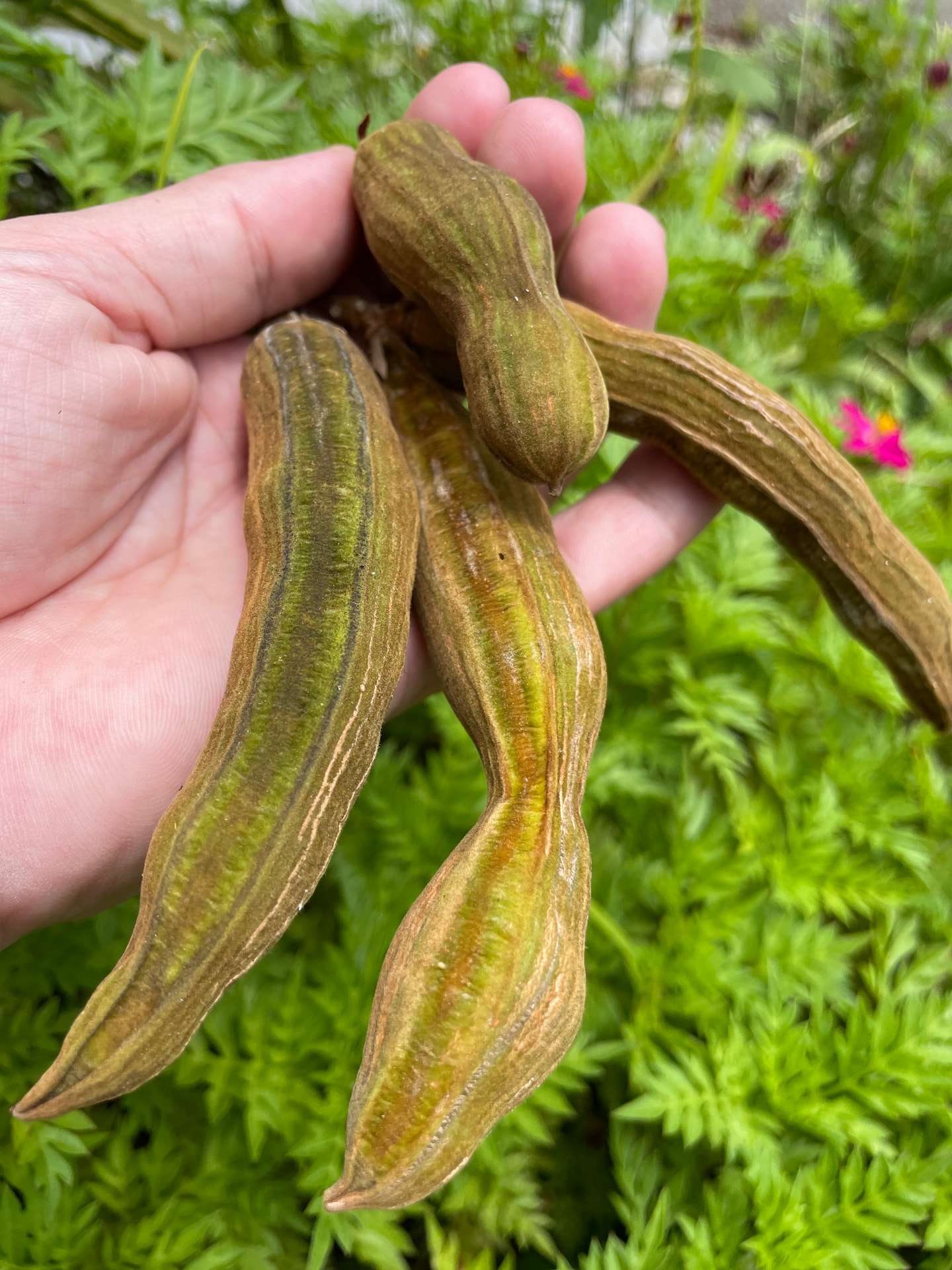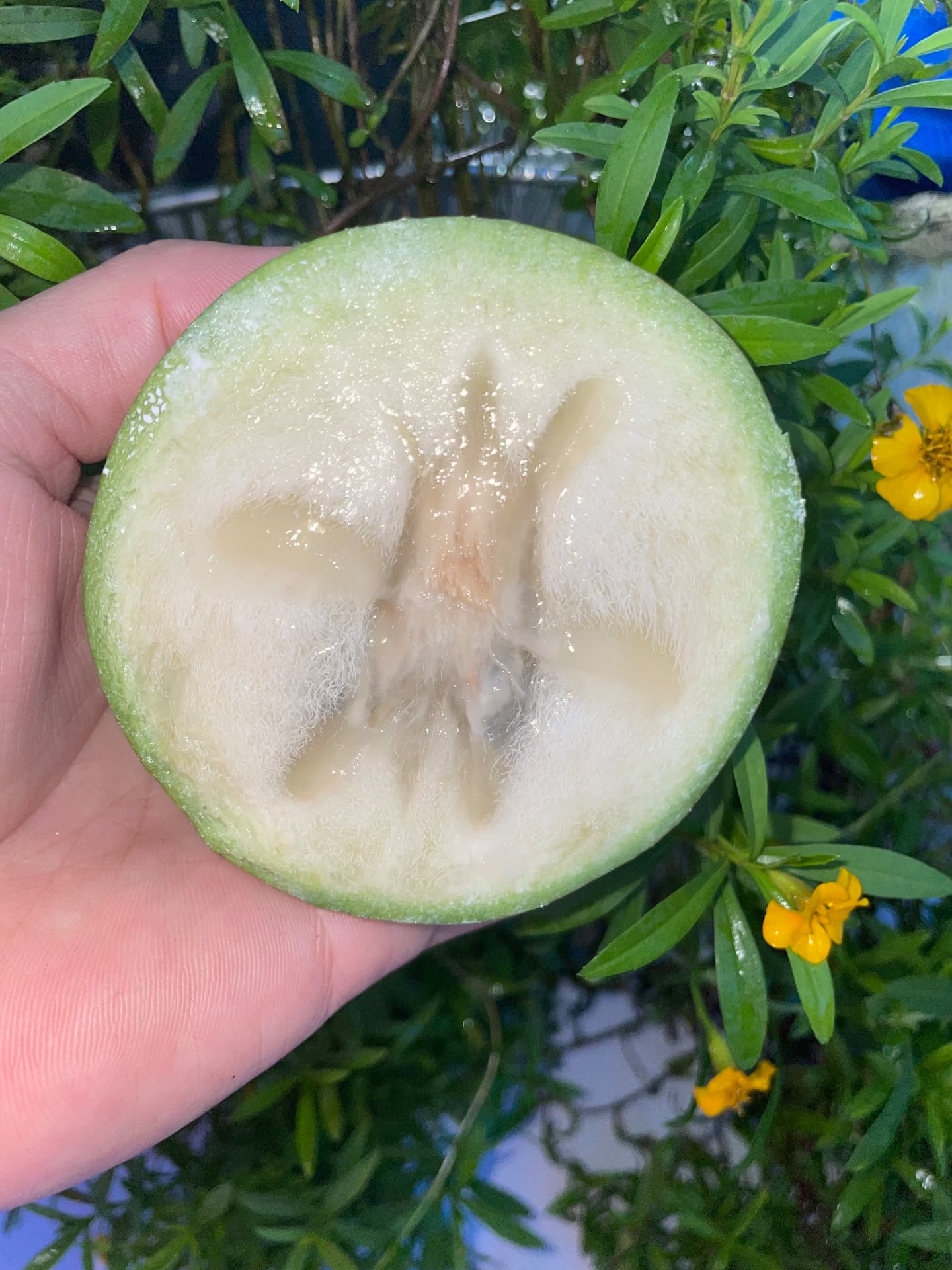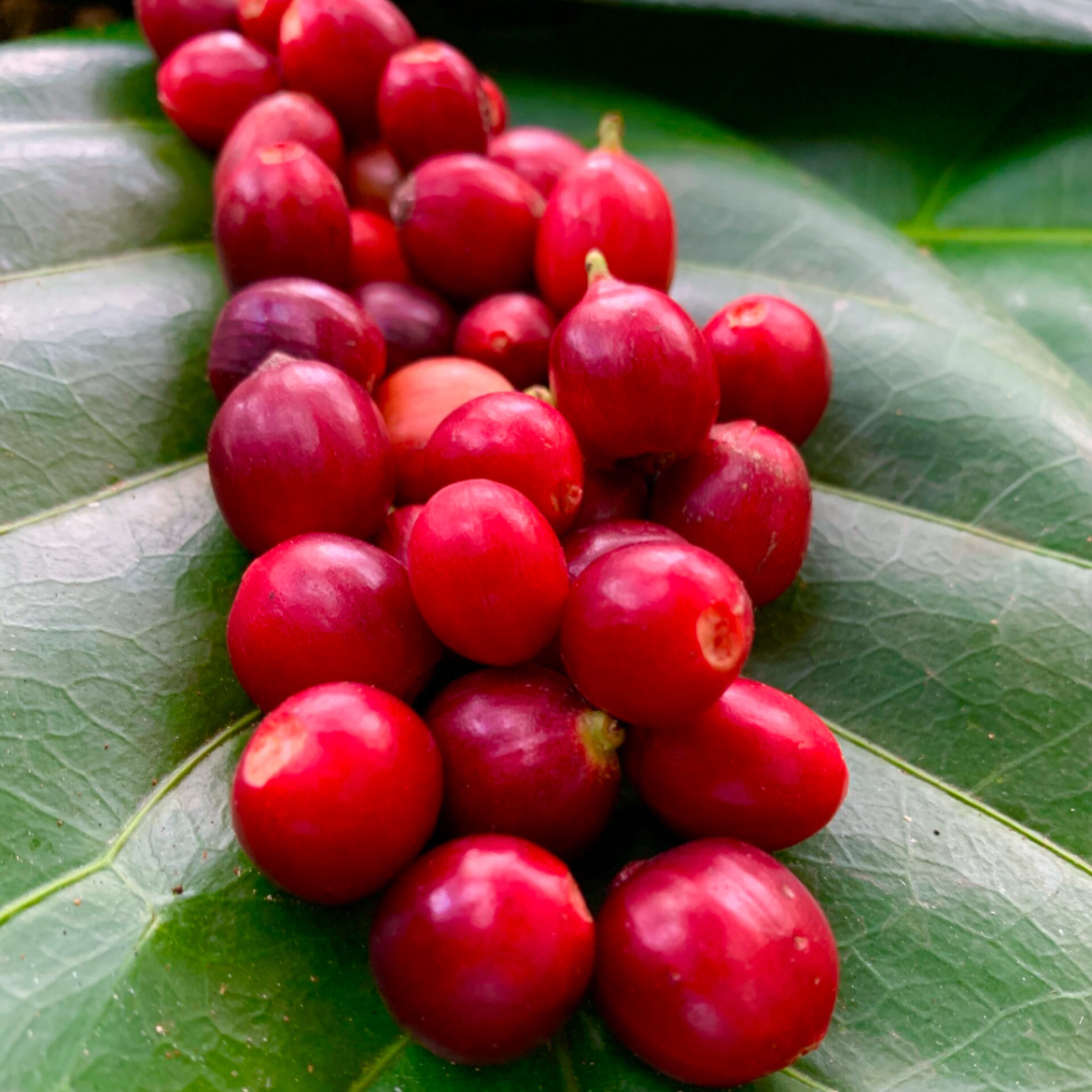
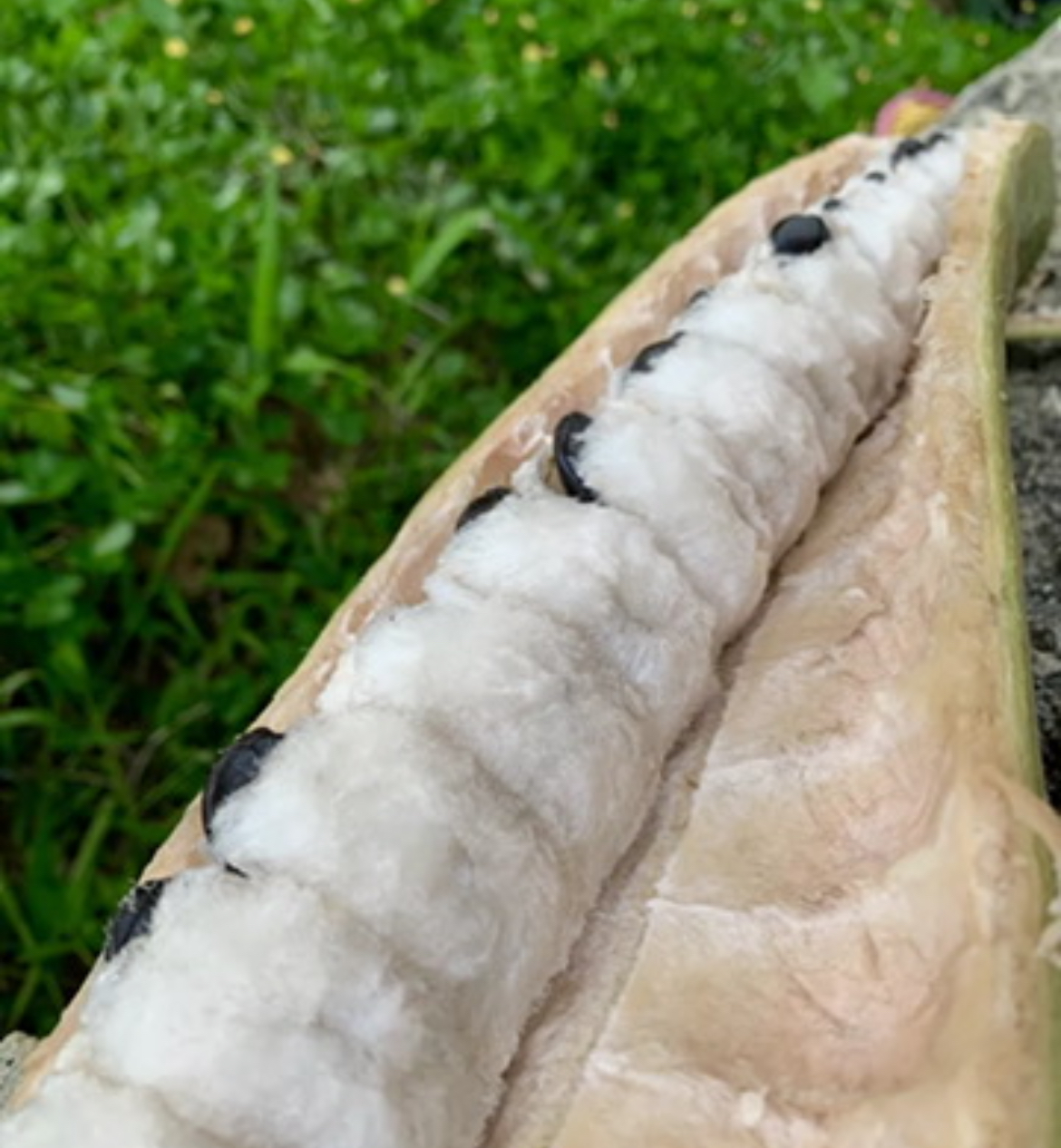
15 Fresh Inga spectabilis Seeds – Guamá / Guaba Machete / Ice Cream Bean
Inga spectabilis (Vahl) Willd.
$22.89
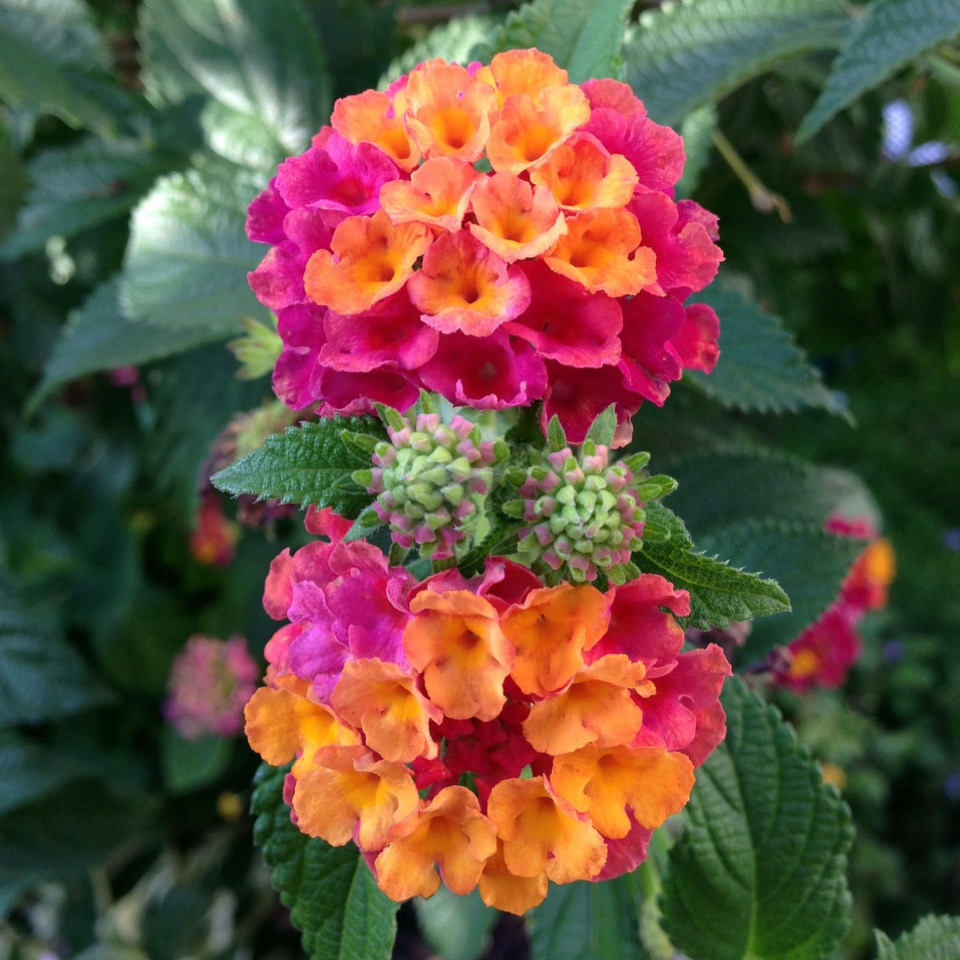
About the speciesABOUT THE SPECIES — Lantana camara flower clusters shifting color as they age. Flowers not included; this listing contains seeds. No specific flower color is guaranteed.
Other Fruit, Vegetable & Herb Seeds
Lantana camara L.
Lantana camara • Common Lantana • Shrub Verbena
SEEDS FOR CULTIVATION
FREE SHIPPING
In stock — packed and shipped within 1–2 business days
This listing contains Lantana camara SEEDS FOR CULTIVATION—not plants or flowers. Select your quantity above; FREE SHIPPING applies to every option.
Choose your pack size
Home garden
Grower pack
Free shipping applies to every pack size.
Seeds of Lantana camara (Carraquillo), the woody Verbenaceae shrub with color-shifting flower clusters loved by butterflies. 25, 50 or 100 seeds, free shipping.
Carraquillo is a familiar sight in warm-climate landscapes: a rough-leaved, often slightly prickly-stemmed shrub covered with rounded flower heads for much of the year.
Each head opens from the outside in, and individual flowers frequently deepen in color after opening—which is why a single cluster can show yellow, orange, pink and red at once. Seed-grown plants vary, so we do not promise a particular color.
Butterflies are frequent visitors, drawn to the nectar in the narrow flower tubes. After flowering, small green berries form and ripen to glossy purple-black, each containing a hard seed.
Lantana camara spreads readily in some warm regions and is regulated or considered invasive in parts of the world. Please check your local regulations and grow it responsibly.
This listing contains Lantana camara SEEDS FOR CULTIVATION—not plants or flowers. Select your quantity above; FREE SHIPPING applies to every option.
Photographs show mature Lantana camara flowers for species reference. You receive seeds only.
Parts of Lantana camara can be toxic, and toxicity is documented particularly in livestock. Do not ingest leaves, berries, extracts or homemade preparations.
Medicinal and research information on this page is educational only and is not a guide to self-treatment. Germination and flower color are not guaranteed.
Hard seed, patient start
Soak 24–48 hours in warm water, changing it daily, to soften the hard coat.
Press seeds about 1/8 inch deep into a fine, free-draining mix.
Steady warmth is key; cool conditions greatly slow emergence.
Keep evenly moist, never soggy, under a vented cover.
Seedlings may appear over one to two months or longer; don't discard trays early.
Move seedlings with a few true leaves to individual pots and pinch tips for bushier growth.
CORRECT ✓
Soaked seed sown shallowly in warm, lightly moist, free-draining mix, then grown on in full sun.
AVOID ✕
Deep sowing, cold trays, soggy mix, shade, or planting near grazing animals or wild land where it may spread.
Each Lantana head is a ring of tiny tubular flowers opening from the edge toward the center. As individual flowers age and are pollinated, pigments shift—yellow to orange, pink to magenta—creating multicolored clusters.
Butterflies and other pollinators work these heads constantly in warm weather, making Lantana a lively garden plant.
Fresh fruit FAQ
Lantana thrives in heat and full sun, tolerates dry spells once established, and dislikes wet feet. In containers it stays compact with regular pinching.
Prune hard in the slow season and lightly after flushes; new growth carries the next flowers. Removing spent berry clusters limits self-seeding.
Fresh fruit FAQ
Traditional use: Lantana camara appears in folk medicine records from the Americas, Africa and Asia. Preparations have traditionally been used for skin and wound applications, inflammation, fever, respiratory and digestive complaints, pain and infections. These are traditional uses, not established medical treatments.
Laboratory and preclinical research: researchers have investigated Lantana extracts and isolated compounds for anti-inflammatory, antioxidant, antibacterial, antifungal and broader antimicrobial activity, as well as antiparasitic, antiviral-related, cytotoxic/anticancer-related and insecticidal activity in experimental models. Compound groups studied include triterpenes (such as lantadenes), flavonoids, phenylpropanoids and iridoid glycosides.
Human clinical evidence: activity in test tubes or animal models does not show benefit or safety in people, and robust human clinical evidence is lacking. Some of the same compounds studied, notably lantadenes, are linked to the plant's toxicity.
Fresh fruit FAQ
Fresh fruit FAQ
Fresh fruit FAQ
Why grow it
Color-shifting flower clusters
Long flowering in warm climates
Strong butterfly interest
Heat- and drought-tolerant once established
Rich ethnobotanical history
Free shipping on every quantity
You may also like
Inga spectabilis (Vahl) Willd.