Quenepa / Mamoncillo Live Plant – Melicoccus bijugatus Tropical Fruit Tree
Melicoccus bijugatus Jacq.
$21.89
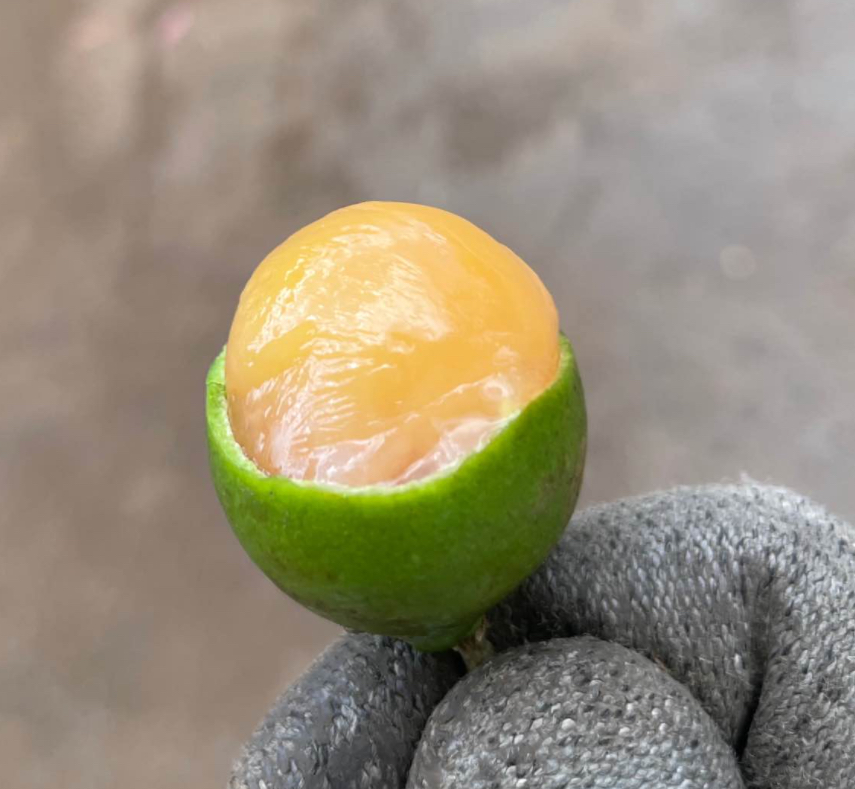
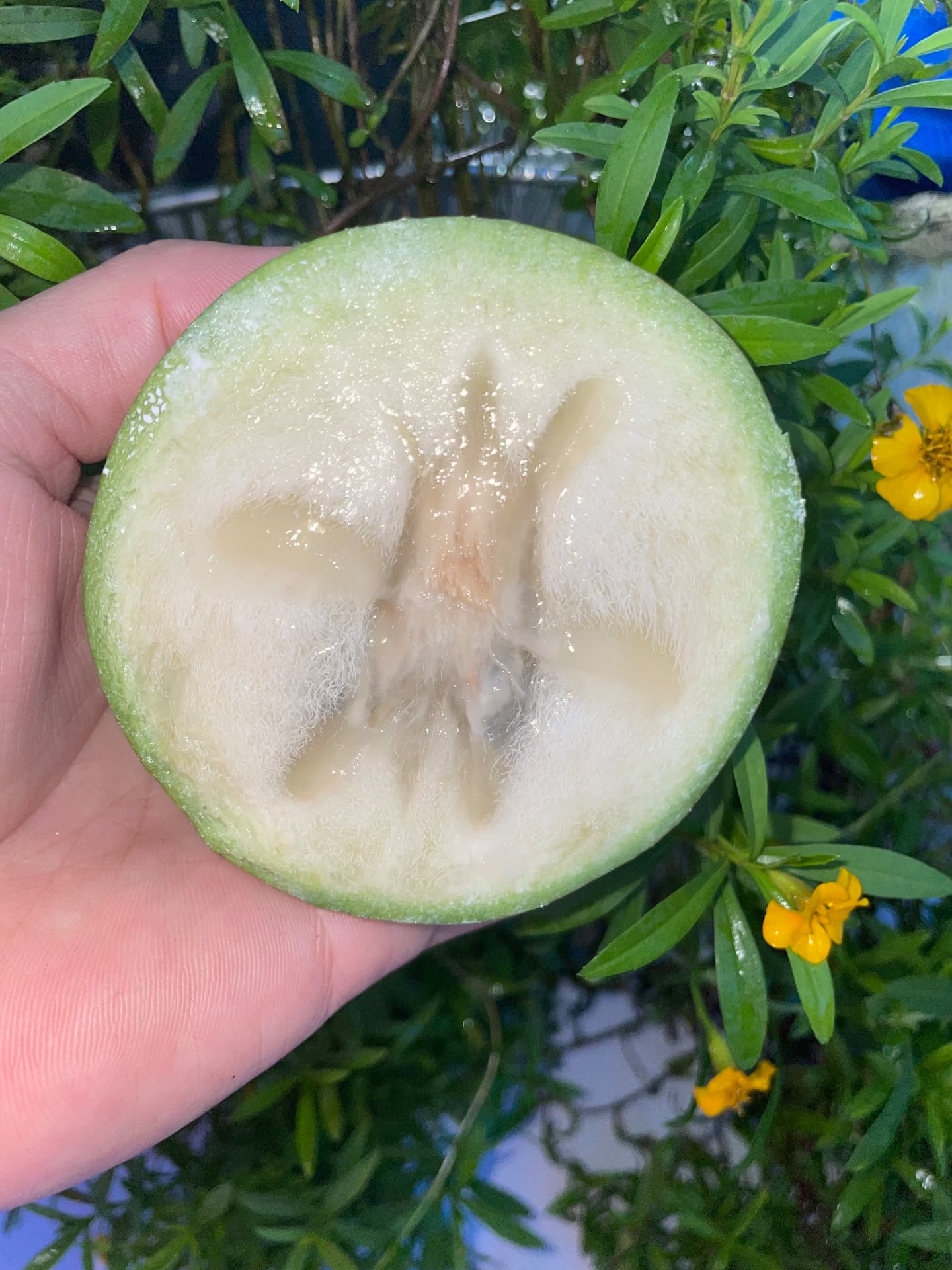
About the speciesABOUT THE SPECIES — An opened quenepa shows the pulp wrapped around the substantial seed. Fruit is not included; this listing contains seeds for planting.
Tropical Fruit Tree Seeds
Melicoccus bijugatus Jacq.
Mamoncillo • Mamón • Spanish Lime • Genip • Guinep
15 FRESH SEEDS
FREE SHIPPING
In stock — fresh seeds, packed and dispatched within 1–2 business days
YOU RECEIVE 15 FRESH QUENEPA SEEDS. This listing is not for a live plant or fruit. FREE SHIPPING.
15 fresh Melicoccus bijugatus seeds for planting. Start the Caribbean fruit tree known as quenepa, mamoncillo, Spanish lime, genip and guinep. Free shipping.
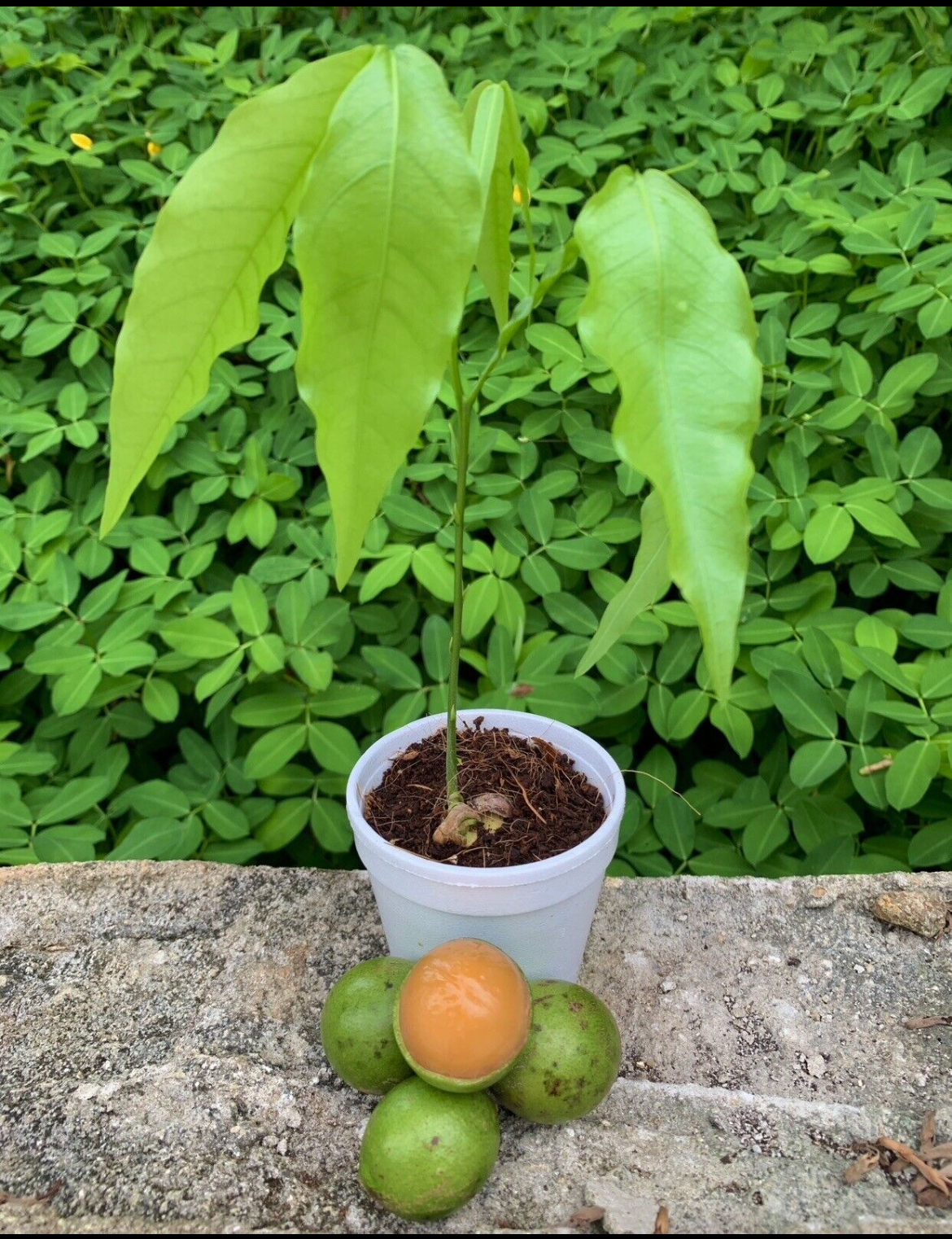
Quenepa is immediately recognizable in Puerto Rico and across the Caribbean: crack the green shell and the edible pulp sits closely around one surprisingly substantial seed.
That seed belongs to Melicoccus bijugatus Jacq., a member of the Sapindaceae or soapberry family. As it develops, the seedling trades the simplicity of a germinating seed for the compound foliage and woody framework of a tropical fruit tree.
Starting quenepa from fresh seed is a long-view project. Seed-grown offspring naturally differ from their parent, and the reproductive biology of the species means a juvenile seedling's eventual flowering role cannot be predicted from the seed or young foliage. No sex, self-fertility, fruiting age or future fruit production is promised.
This listing is for 15 fresh Melicoccus bijugatus seeds. The fruit photographs identify the species; fruit and live plants are not included.
YOU RECEIVE 15 FRESH QUENEPA SEEDS. This listing is not for a live plant or fruit. FREE SHIPPING.
Freshness matters. Sow soon after arrival rather than holding the seeds through unnecessary prolonged drying or storage.
Seed-grown trees are genetically variable. Quenepa reproduction can involve separate flowering roles, and a seed or juvenile plant cannot be used to promise sex, self-fertility or future fruit production.
All gallery photographs are mature-species references. Fruit is not included.
A clean start
Plant fresh seed soon after arrival. If seed was removed directly from fruit, clean away all clinging pulp before sowing.
Fill draining containers with a clean mix that holds light, even moisture without becoming dense or stagnant.
Lay each seed flat or in its natural resting position and cover to approximately its own thickness. Exact orientation is less important than good contact with the medium and avoiding deep burial.
Settle the medium with water and let excess drain. Keep it evenly moist afterward, never saturated or standing in water.
Use stable tropical warmth. Avoid a cold, wet tray, which slows emergence and encourages decay.
When growth appears, provide bright filtered light and good airflow, then increase sun gradually as the first compound leaves develop.
CORRECT ✓
Clean fresh seed covered approximately to its own thickness in a warm, evenly moist, free-draining medium.
AVOID ✕
Pulp left on the seed, prolonged drying, deep burial, cold saturated soil or repeated wet-to-bone-dry swings.
Most of a quenepa's interior is organized around one large seed. For a grower, that makes sowing unusually tangible: the same firm center revealed when the fruit is opened becomes the starting material for a tree.
The edible pulp belongs to the fruit, not the seed packet. Our existing photographs show the mature species so buyers can identify what they are growing.
In Puerto Rico it is quenepa; elsewhere it may be mamoncillo, mamón, genip or guinep. Spanish lime is another familiar name, though this is not a citrus. The tree belongs to Sapindaceae, the soapberry family, alongside other tropical fruit species such as lychee and longan.
Its place in Puerto Rican food culture is strong, but that familiarity should not be confused with a claim that the species originated on the island.
A newly emerged seedling needs consistency more than intervention. Keep the root zone aerated, hold moisture steady and move from filtered light toward stronger exposure in stages.
Pot up when roots occupy the starter container, keeping the root mass together. In warm climates the young tree can progress toward an outdoor site with drainage and ample long-term space; elsewhere, container culture makes seasonal protection possible.
Each seed is a new genetic individual, not a clone of the fruit photographed. Foliage, vigor and any future fruit characteristics can vary.
Quenepa flowering biology deserves particular caution: juvenile appearance does not reliably predict the flowering role of a mature tree. Grow for the experience of raising the species, not on a promise that one seedling must eventually bear fruit.
Why grow it
A deeply familiar Puerto Rican and Caribbean fruit species
A substantial, easy-to-handle tropical tree seed
Compound foliage and an impressive mature tree habit
One seed-grown individual with its own natural variation
Shared species guide for seed and live-plant growers
You may also like
Melicoccus bijugatus Jacq.