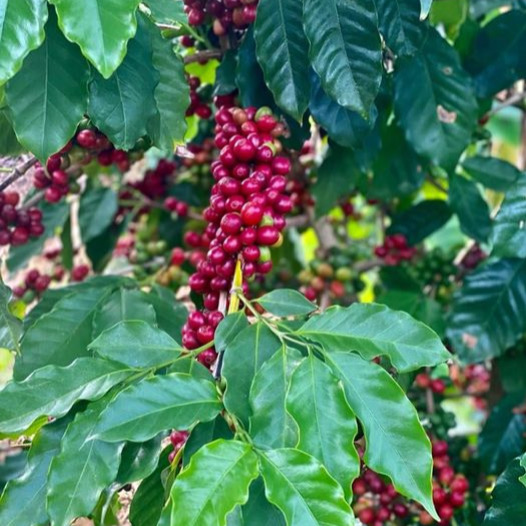
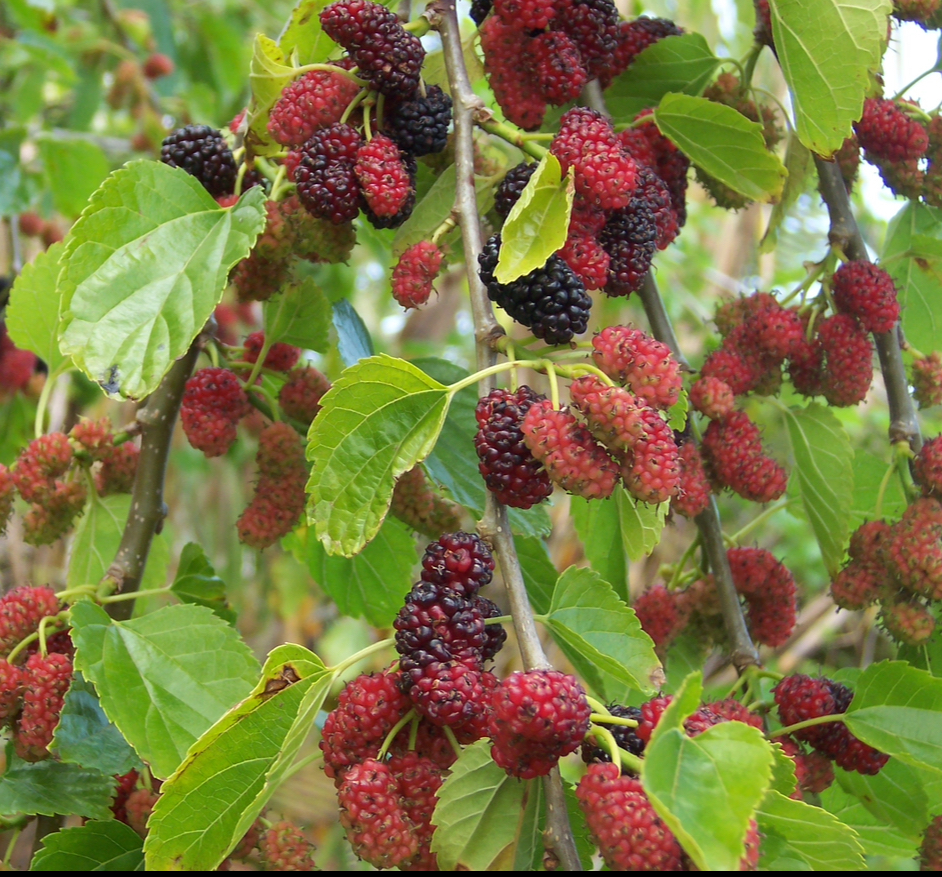
About the speciesABOUT THE SPECIES — Mulberry (Morus) fruit ripening on the branch. Fruit is not included; this listing is a live plant.
Tropical Fruit Plants
Mulberry Live Plant – 7–8"
Morus sp.
Morus sp. • Propagated from a Cutting
$17.89for live plant
LIVE PLANT • ROOTED CUTTING
FREE SHIPPING
In stock — live plants are carefully prepared and dispatched within 1–2 business days
You are purchasing ONE live Mulberry (Morus sp.) plant approximately 7–8 inches tall, vegetatively propagated from a cutting. Fruit is not included. FREE SHIPPING.
1
One live Mulberry (Morus sp.) plant approximately 7–8 inches tall, vegetatively propagated from a cutting. Free shipping.
- Free shipping on this listing
- Secure encrypted checkout
- Carefully packed in Puerto Rico
- Detailed growing guide included
- Scientific name
- Morus sp.
- Family
- Moraceae
- Product type
- Live plant
- Propagation
- Vegetative — rooted cutting
- Size
- Approximately 7–8 inches tall
- Habit
- Woody shrub to tree; responds well to pruning
- Light
- Full sun once acclimated
- Soil
- Well-drained, moderately fertile
- Water
- Regular while establishing; avoid waterlogging
Mulberries are woody, deciduous-to-semi-evergreen shrubs and trees in Moraceae, the fig family. Young plants put out broad, serrated, bright-green leaves—sometimes lobed, sometimes entire, even on the same plant.
This plant was propagated vegetatively from a cutting. A cutting is a piece of the source plant's own tissue that has formed roots, so it continues that plant's genetics rather than being a new seedling combination. That is a meaningful difference from seed-grown mulberries.
We identify it honestly as Morus sp.: the genus is certain, but the exact species and cultivar are not documented. We therefore don't promise fruit color, flavor, size, fruiting age or yield.
What a rooted cutting offers is a head start: an established woody plant ready to grow on in a container or move to the ground, with the vigorous regrowth mulberries are known for.
What You Receive
- One live Mulberry (Morus sp.) plant
- Approximately 7–8 inches tall
- Vegetatively propagated from a cutting
- Natural variation in height, leaf count, branching and shape
- Fruit is not included
- Free shipping
You are purchasing ONE live Mulberry (Morus sp.) plant approximately 7–8 inches tall, vegetatively propagated from a cutting. Fruit is not included. FREE SHIPPING.
Live Plant — Fruit Is Not Included
Fruit photographs show the Morus genus for reference only. You receive one young rooted plant.
The exact species and cultivar are not documented; fruit color, flavor, size, fruiting age and yield are not guaranteed.
Young plants may drop a leaf or two after shipping as they adjust. This is normal during acclimation.
First weeks at home
Receiving Your Mulberry Cutting
- 1
Unpack promptly
Open the box on arrival, remove packing gently and stand the plant upright.
- 2
Check moisture
Water if the medium is dry, then let excess drain completely.
- 3
Rest in bright shade
Keep the plant in bright, indirect light for several days to recover from transit.
- 4
Acclimate to sun
Increase direct sun over one to two weeks—morning sun first—to avoid leaf scorch.
- 5
Pot up when rooted in
Once new growth appears, move to a slightly larger container with free-draining mix, keeping the soil level unchanged.
- 6
Feed lightly
Begin gentle feeding only after the plant is actively growing.
CORRECT ✓
Gradual light acclimation, free-draining mix, watering when the top layer dries, and potting up in modest steps.
AVOID ✕
Immediate full sun, constantly wet soil, burying the stem deeper, heavy fertilizer on arrival, or jumping to a huge pot too early.
Why Cutting Propagation Matters
Seed-grown mulberries combine genes from two parents and can differ from the tree they came from. A rooted cutting is vegetative: it grows from the source plant's own tissue and continues its genetics.
Because the source is identified only to genus, we don't translate that into fruit promises—but you do receive a plant that started as established woody tissue rather than a new seedling.
Fresh fruit FAQ
Questions about fresh cacao pods
- Why is it listed as Morus sp.?
- The genus Morus is certain, but the exact species and cultivar of the source plant have not been documented. We prefer honest identification over false precision.
- What does 'from a cutting' mean for me?
- The plant grew from rooted tissue of a source plant rather than from seed, so it carries that plant's genetics. Because the source isn't formally identified, specific fruit traits are still not promised.
- Can I grow it in a container?
- Yes. Mulberries adapt well to large containers with regular pruning, and can move to the ground later where space allows.
- When will it fruit?
- Rooted cuttings can fruit sooner than seedlings in some cases, but timing depends on the plant, climate and care. No fruiting age or yield is guaranteed.
Growth Habit and Space
Morus is a vigorous woody plant. Left unpruned, many mulberries become sizable trees, so think ahead about the final location.
They also accept pruning well, regrowing strongly from cuts. That makes it practical to keep a mulberry as a compact shrub or container plant by shaping it each year.
Fresh fruit FAQ
Questions about fresh cacao pods
- Why is it listed as Morus sp.?
- The genus Morus is certain, but the exact species and cultivar of the source plant have not been documented. We prefer honest identification over false precision.
- What does 'from a cutting' mean for me?
- The plant grew from rooted tissue of a source plant rather than from seed, so it carries that plant's genetics. Because the source isn't formally identified, specific fruit traits are still not promised.
- Can I grow it in a container?
- Yes. Mulberries adapt well to large containers with regular pruning, and can move to the ground later where space allows.
- When will it fruit?
- Rooted cuttings can fruit sooner than seedlings in some cases, but timing depends on the plant, climate and care. No fruiting age or yield is guaranteed.
Containers and Transplanting
Grow on in a container through the first stage, stepping up one size at a time as roots fill the pot. When moving to the ground, choose a sunny, well-drained site and keep the original soil line.
Water thoroughly after each move and keep moisture steady until new growth confirms the plant has settled.
Fresh fruit FAQ
Questions about fresh cacao pods
- Why is it listed as Morus sp.?
- The genus Morus is certain, but the exact species and cultivar of the source plant have not been documented. We prefer honest identification over false precision.
- What does 'from a cutting' mean for me?
- The plant grew from rooted tissue of a source plant rather than from seed, so it carries that plant's genetics. Because the source isn't formally identified, specific fruit traits are still not promised.
- Can I grow it in a container?
- Yes. Mulberries adapt well to large containers with regular pruning, and can move to the ground later where space allows.
- When will it fruit?
- Rooted cuttings can fruit sooner than seedlings in some cases, but timing depends on the plant, climate and care. No fruiting age or yield is guaranteed.
Pruning and Branching
- Pinch or tip the leader once established to encourage branching
- Choose a few well-spaced main branches as the framework
- Remove weak, crossing or inward-growing shoots
- Prune to maintain size in containers or small gardens
- Expect vigorous regrowth after pruning
Fresh fruit FAQ
Questions about fresh cacao pods
- Why is it listed as Morus sp.?
- The genus Morus is certain, but the exact species and cultivar of the source plant have not been documented. We prefer honest identification over false precision.
- What does 'from a cutting' mean for me?
- The plant grew from rooted tissue of a source plant rather than from seed, so it carries that plant's genetics. Because the source isn't formally identified, specific fruit traits are still not promised.
- Can I grow it in a container?
- Yes. Mulberries adapt well to large containers with regular pruning, and can move to the ground later where space allows.
- When will it fruit?
- Rooted cuttings can fruit sooner than seedlings in some cases, but timing depends on the plant, climate and care. No fruiting age or yield is guaranteed.
Common Mistakes with Young Cuttings
- Moving directly into full sun after shipping
- Keeping the soil constantly soggy
- Heavy feeding before roots are active
- Transplanting into a pot far too large
- Letting the young plant dry out completely
Fresh fruit FAQ
Questions about fresh cacao pods
- Why is it listed as Morus sp.?
- The genus Morus is certain, but the exact species and cultivar of the source plant have not been documented. We prefer honest identification over false precision.
- What does 'from a cutting' mean for me?
- The plant grew from rooted tissue of a source plant rather than from seed, so it carries that plant's genetics. Because the source isn't formally identified, specific fruit traits are still not promised.
- Can I grow it in a container?
- Yes. Mulberries adapt well to large containers with regular pruning, and can move to the ground later where space allows.
- When will it fruit?
- Rooted cuttings can fruit sooner than seedlings in some cases, but timing depends on the plant, climate and care. No fruiting age or yield is guaranteed.
Why grow it
Why grow this Mulberry?
Vegetatively propagated from a cutting
Vigorous woody plant that responds well to pruning
Adaptable to containers or in-ground growing
Honest Morus sp. identification
Free shipping
You may also like
Related products