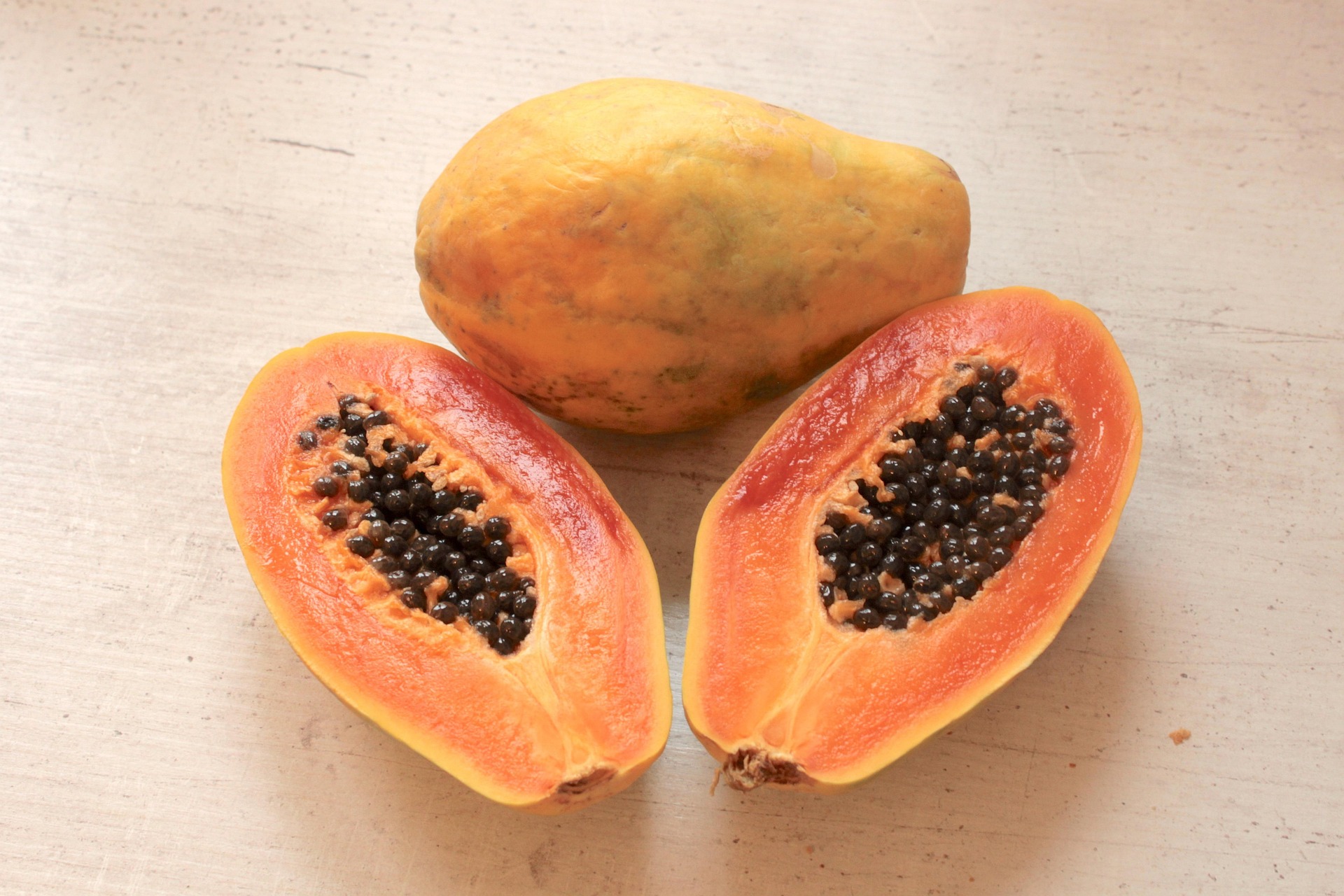
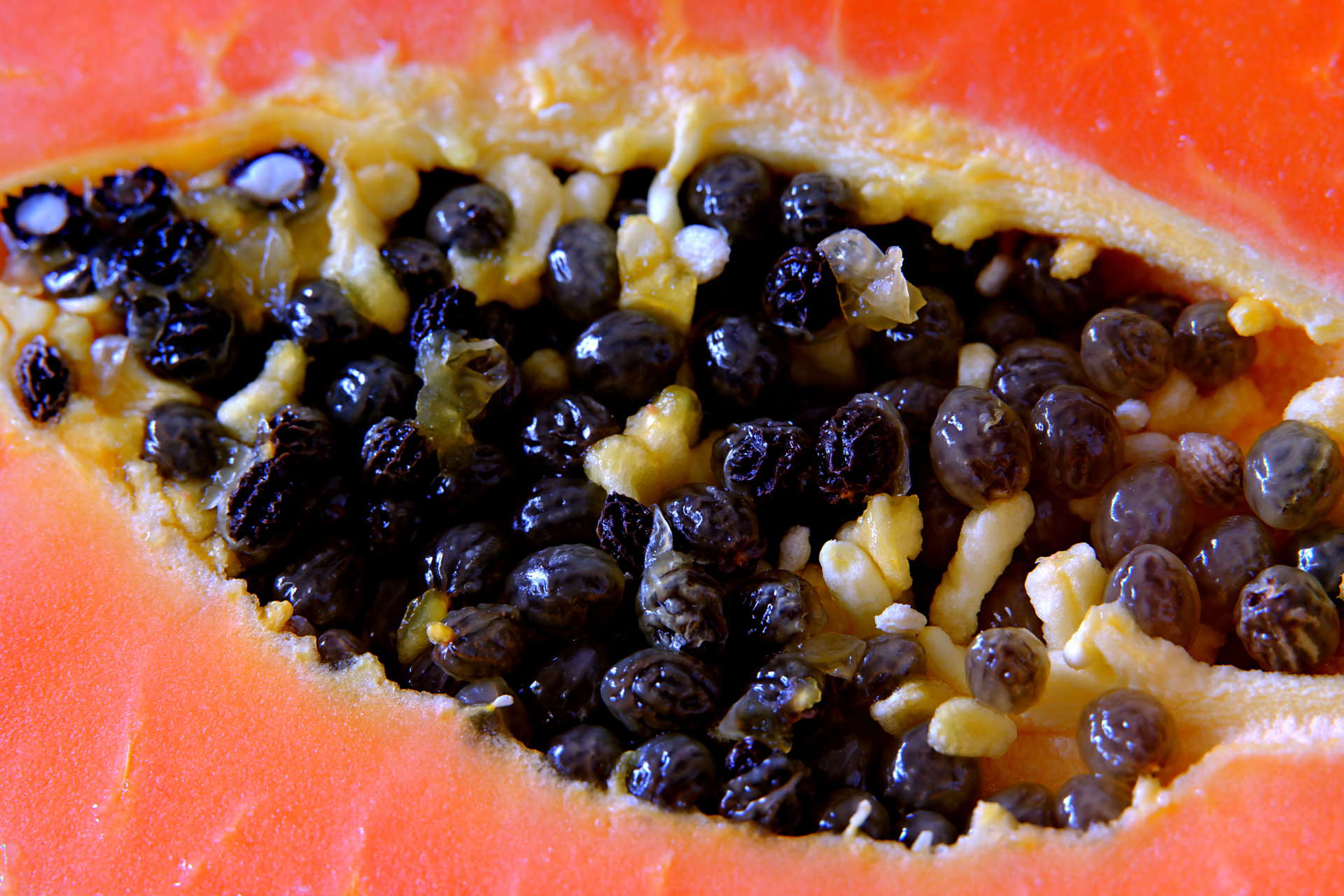
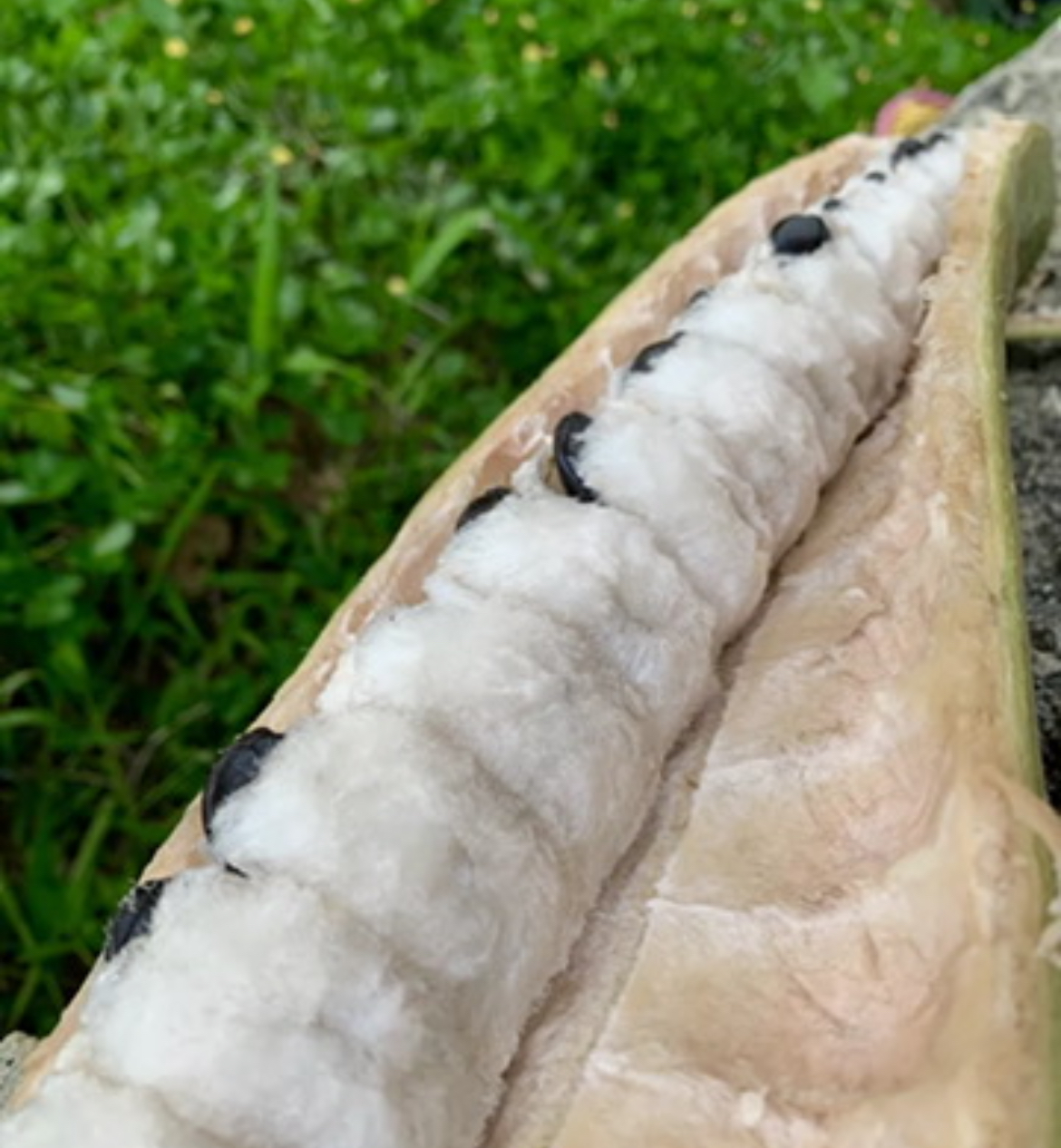
About the speciesABOUT THE SPECIES — Papaya seeds in the fruit cavity, each wrapped in a gelatinous sarcotesta. You receive seeds for planting; fruit is not included.
Tropical Fruit
Papaya Seeds – Carica papaya
Carica papaya
Papaya • Lechosa • Fruta Bomba
$3.89for 25 Seeds
SEEDS FOR PLANTING
FREE SHIPPING
In stock — seed packs dispatched within 1–2 business days
You are purchasing Carica papaya seeds for planting in the pack size you select. Fruit is not included. FREE SHIPPING on every pack.
Choose your pack size
Home garden
Grower pack
Bulk
Free shipping applies to every pack size.
1
Carica papaya seeds for planting in packs of 25 to 1,000. No cultivar claimed. Free shipping on every pack.
- Free shipping on this listing
- Secure encrypted checkout
- Carefully packed in Puerto Rico
- Detailed growing guide included
- Scientific name
- Carica papaya L.
- Family
- Caricaceae
- Product type
- Seeds
- Sowing depth
- About 1/4–1/2 inch
- Germination
- Needs warmth; timing varies
- Light
- Full sun as plants develop
- Drainage
- Essential from seed onward
Papaya is one of the few fruit plants that can go from seed to a sizeable plant within a single warm season. That speed makes seed the classic way papayas are propagated around the tropics.
Each fresh seed is enclosed in a clear, jelly-like coat (the sarcotesta) that contains germination-inhibiting compounds. Once cleaned and dried, the seed is small, dark and wrinkled, with a ridged surface.
Seed-grown papayas are not identical: plants may be female, male or hermaphrodite, and fruit traits can vary from the source fruit. For that reason many growers sow several seeds and keep the most vigorous plants, then select once flowers show their sex.
The name pawpaw is used for papaya in some countries; this is not the North American pawpaw, Asimina triloba.
What You Receive
- Carica papaya seeds in your selected pack size
- Seeds for planting — fruit is not included
- No cultivar claimed
- Plant sex cannot be predicted from seed
- Free shipping on every pack
You are purchasing Carica papaya seeds for planting in the pack size you select. Fruit is not included. FREE SHIPPING on every pack.
Seeds for Planting — Fruit Is Not Included
All photographs show the species for reference. You receive seeds.
Germination rate, plant sex and fruit production are not guaranteed; seed-grown papayas vary.
From seed to seedling
Germinating Papaya Seeds
- 1
Optional soak
Soak seeds in warm water for about 24 hours. Seeds that sink are often the fullest.
- 2
Use a fast-draining mix
Fill cells or small deep pots with a light, sterile, free-draining seed mix. Papaya seedlings damp off quickly in heavy, wet media.
- 3
Sow shallow
Sow about 1/4–1/2 inch deep, two or three seeds per cell, and firm lightly.
- 4
Keep it warm
Consistent warmth is the key. Warm soil speeds emergence; cool soil makes it slow and patchy.
- 5
Moist, never soggy
Keep the mix evenly damp. Let the surface just dry between waterings once seedlings appear.
- 6
Thin and give light
Keep the strongest seedling per cell by snipping the others at soil level rather than pulling, and give bright light so stems stay sturdy.
CORRECT ✓
Warm, shallow sowing in a light mix, bright light after emergence, and transplanting early with the root ball intact.
AVOID ✕
Cold, soggy trays, deep sowing, pulling seedlings apart, or letting seedlings get root-bound before transplanting.
About Papaya Seed
Fresh seed comes coated in a gelatinous sarcotesta. Removing that coat and drying the seed is standard practice before storage, because the coat contains substances that can slow germination.
Seeds are ready to sow on arrival; store any extras cool and dry.
Fresh fruit FAQ
Questions about fresh cacao pods
- How many seeds should I sow?
- Because plant sex can't be predicted from seed, sow several and keep the strongest seedlings. That improves the odds of having a fruiting plant and a pollen source.
- Do I need to soak papaya seeds?
- Not required, but many growers soak seeds in warm water for about a day before sowing to hydrate the seed coat evenly.
- Why is germination uneven?
- Papaya seeds in the same pack often sprout days or weeks apart, especially when the soil is not consistently warm. Germination percentages are not guaranteed.
- Which papaya variety is this?
- No cultivar is documented, so none is claimed—not Red Lady, Solo, Maradol or any other named type.
Seedling Development
The first leaves are simple; lobed papaya leaves follow as the seedling builds. Growth in warmth can be very fast, so move plants on before roots circle the container.
Transplant early, handling the root ball as one piece. Papaya roots dislike disturbance, and late or rough transplanting often stalls growth.
Fresh fruit FAQ
Questions about fresh cacao pods
- How many seeds should I sow?
- Because plant sex can't be predicted from seed, sow several and keep the strongest seedlings. That improves the odds of having a fruiting plant and a pollen source.
- Do I need to soak papaya seeds?
- Not required, but many growers soak seeds in warm water for about a day before sowing to hydrate the seed coat evenly.
- Why is germination uneven?
- Papaya seeds in the same pack often sprout days or weeks apart, especially when the soil is not consistently warm. Germination percentages are not guaranteed.
- Which papaya variety is this?
- No cultivar is documented, so none is claimed—not Red Lady, Solo, Maradol or any other named type.
Why Grow Several Plants
Papaya plants can be female, male or hermaphrodite. A seed-grown plant's sex shows only when it flowers. Raising a small group and later keeping the productive plants is the practical approach used by many growers.
Fresh fruit FAQ
Questions about fresh cacao pods
- How many seeds should I sow?
- Because plant sex can't be predicted from seed, sow several and keep the strongest seedlings. That improves the odds of having a fruiting plant and a pollen source.
- Do I need to soak papaya seeds?
- Not required, but many growers soak seeds in warm water for about a day before sowing to hydrate the seed coat evenly.
- Why is germination uneven?
- Papaya seeds in the same pack often sprout days or weeks apart, especially when the soil is not consistently warm. Germination percentages are not guaranteed.
- Which papaya variety is this?
- No cultivar is documented, so none is claimed—not Red Lady, Solo, Maradol or any other named type.
Common Germination Mistakes
- Sowing in cold soil
- Keeping the tray waterlogged
- Sowing too deep
- Pulling apart tangled seedlings
- Holding seedlings too long in small cells
Fresh fruit FAQ
Questions about fresh cacao pods
- How many seeds should I sow?
- Because plant sex can't be predicted from seed, sow several and keep the strongest seedlings. That improves the odds of having a fruiting plant and a pollen source.
- Do I need to soak papaya seeds?
- Not required, but many growers soak seeds in warm water for about a day before sowing to hydrate the seed coat evenly.
- Why is germination uneven?
- Papaya seeds in the same pack often sprout days or weeks apart, especially when the soil is not consistently warm. Germination percentages are not guaranteed.
- Which papaya variety is this?
- No cultivar is documented, so none is claimed—not Red Lady, Solo, Maradol or any other named type.
Why grow it
Why grow Papaya from seed?
One of the fastest fruit plants from seed
Pack sizes from home garden to bulk
Honest identification — no cultivar claims
Shared growing guide for seed and live-plant growers
Free shipping on every pack
You may also like
Related products
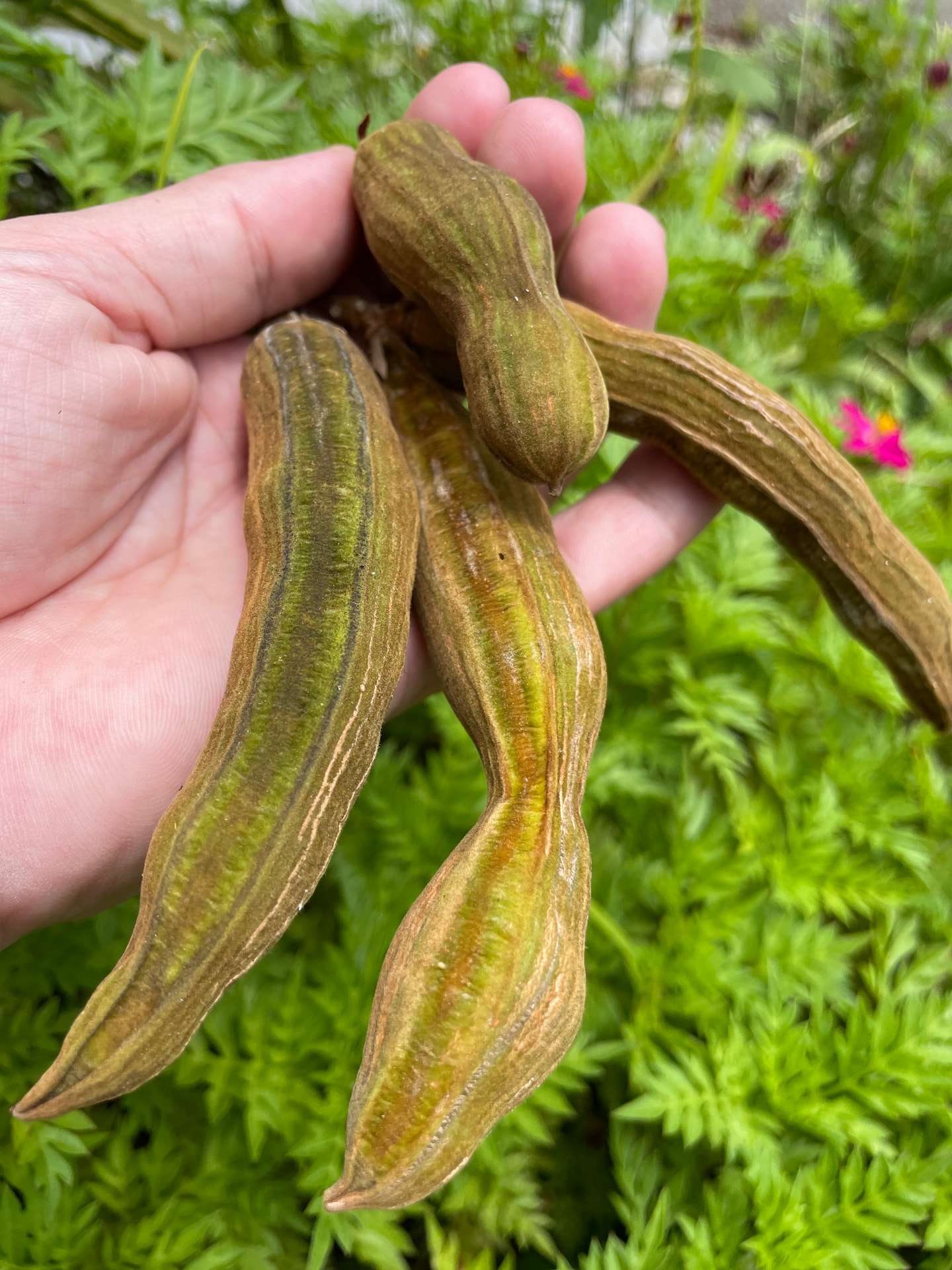
15 Fresh Inga spectabilis Seeds – Guamá / Guaba Machete / Ice Cream Bean
Inga spectabilis (Vahl) Willd.
$22.89