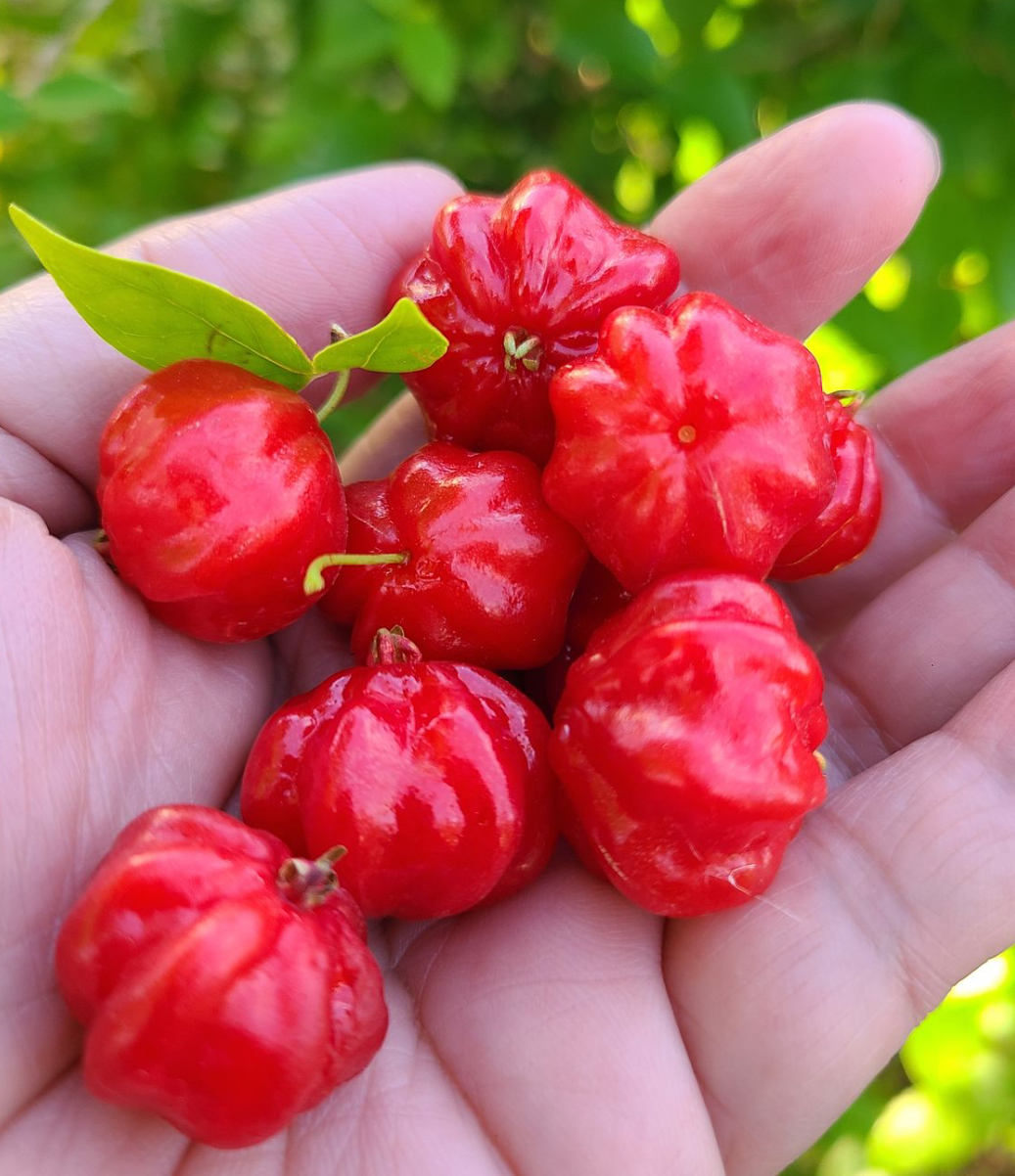
About the speciesABOUT THE SPECIES — Ripe Eugenia uniflora fruit with its characteristic deep ribs. Fruit is not included; this listing is a live plant.
Tropical Fruit Plants
Pitanga (Surinam Cherry) Live Plant – 5–8"
Eugenia uniflora
Eugenia uniflora • Surinam Cherry • Cayenne Cherry
$19.89for live plant
LIVE PLANT
FREE SHIPPING
In stock — live plants are carefully prepared and dispatched within 1–2 business days
You are purchasing ONE live Eugenia uniflora plant approximately 5–8 inches tall. Fruit is not included. FREE SHIPPING.
1
One live Eugenia uniflora (Pitanga / Surinam Cherry) plant approximately 5–8 inches tall. Fruit not included. Free shipping.
- Free shipping on this listing
- Secure encrypted checkout
- Carefully packed in Puerto Rico
- Detailed growing guide included
- Scientific name
- Eugenia uniflora L.
- Family
- Myrtaceae
- Product type
- Live plant
- Size
- Approximately 5–8 inches tall
- Habit
- Evergreen woody shrub to small tree
- Light
- Full sun to light shade
- Soil
- Well-drained; tolerates a range of soils
- Container
- Well suited to long-term pot culture
Pitanga is a woody evergreen shrub or small tree from eastern South America, related to guava, jaboticaba and clove in the myrtle family. It is grown across the tropics and subtropics, including the Caribbean, as a fruiting hedge and garden shrub.
Its small, glossy, opposite leaves release a resinous, spicy scent when crushed. New flushes often emerge bronze to reddish before turning deep green—one of the plant's most ornamental features.
Small white flowers with a brush of stamens are followed by one of the most recognizable fruits anywhere: a cherry-sized berry with seven or eight deep ribs, ripening from green to orange, red or dark crimson. Flavor ranges from tart and resinous to sweet and aromatic, and it is fullest when fruit is fully colored and soft.
This plant is sold as the species. We do not claim a named cultivar, a specific fruit color or a fruiting age.
What You Receive
- One live Eugenia uniflora (Pitanga) plant
- Approximately 5–8 inches tall
- Natural variation in height, leaf count, branching and shape
- No cultivar or fruit-color selection claimed
- Fruit is not included
- Free shipping
You are purchasing ONE live Eugenia uniflora plant approximately 5–8 inches tall. Fruit is not included. FREE SHIPPING.
Live Plant — Fruit Is Not Included
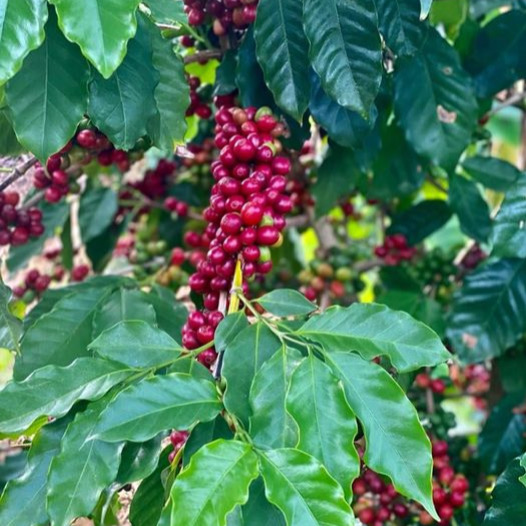
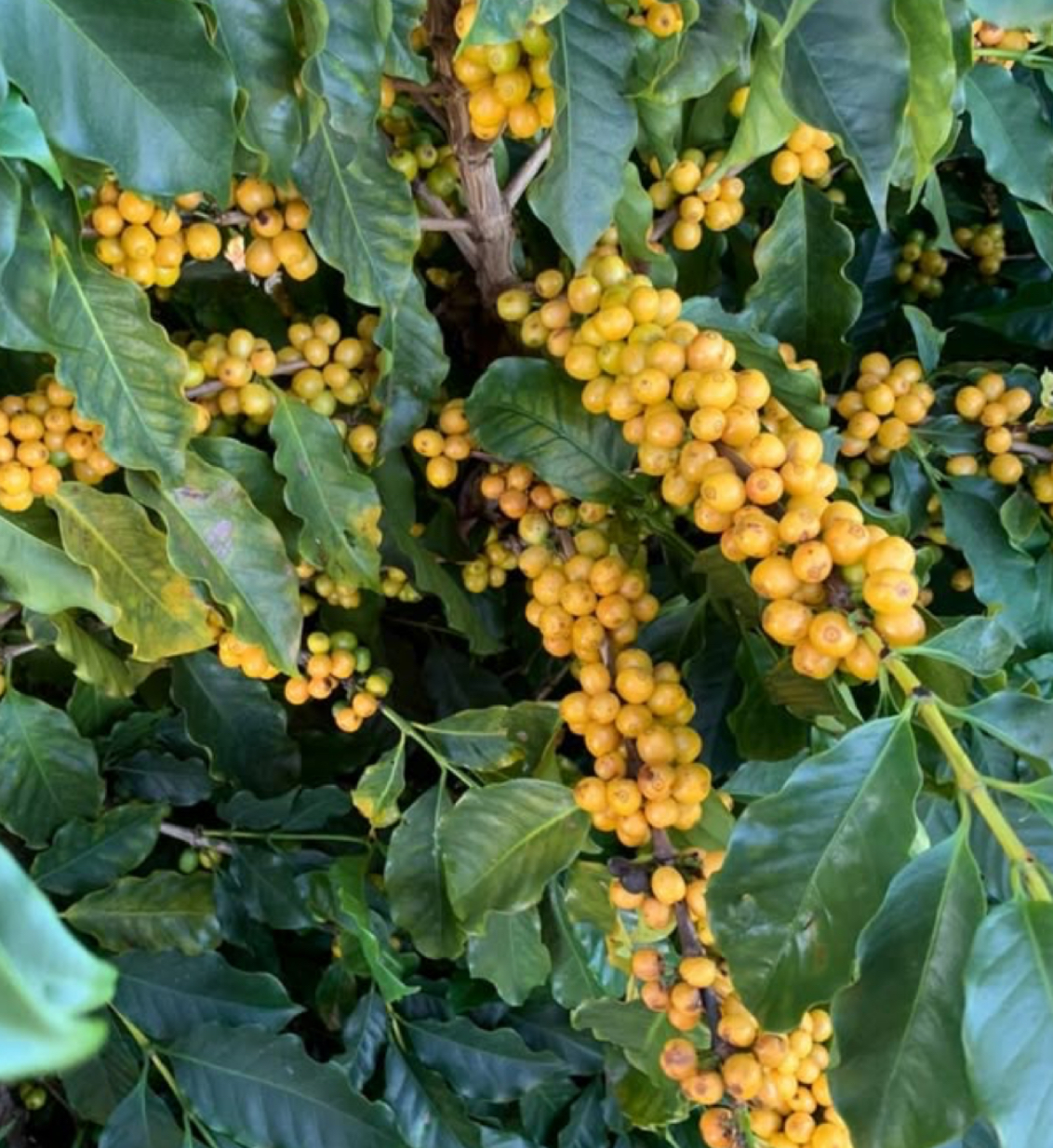
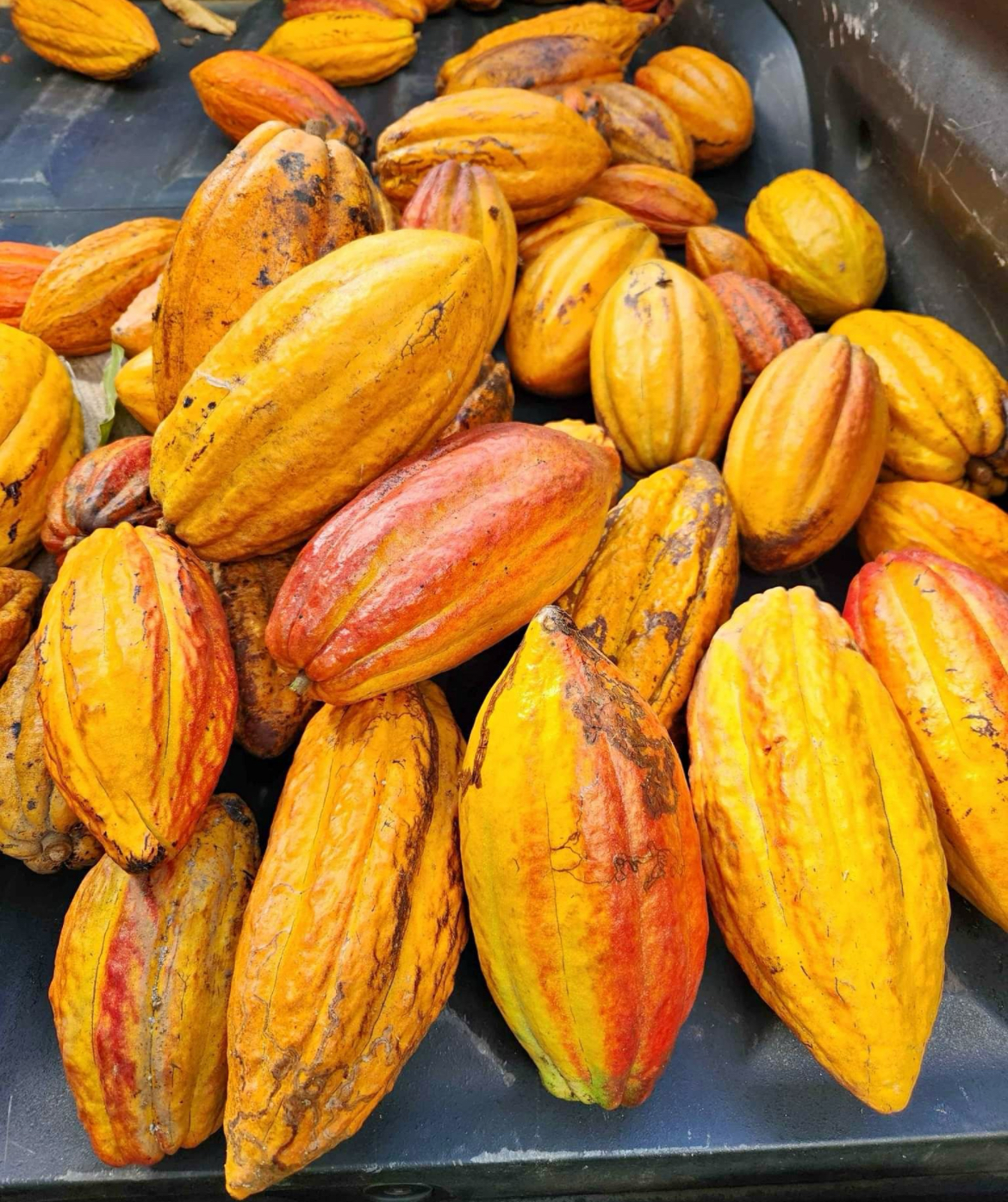
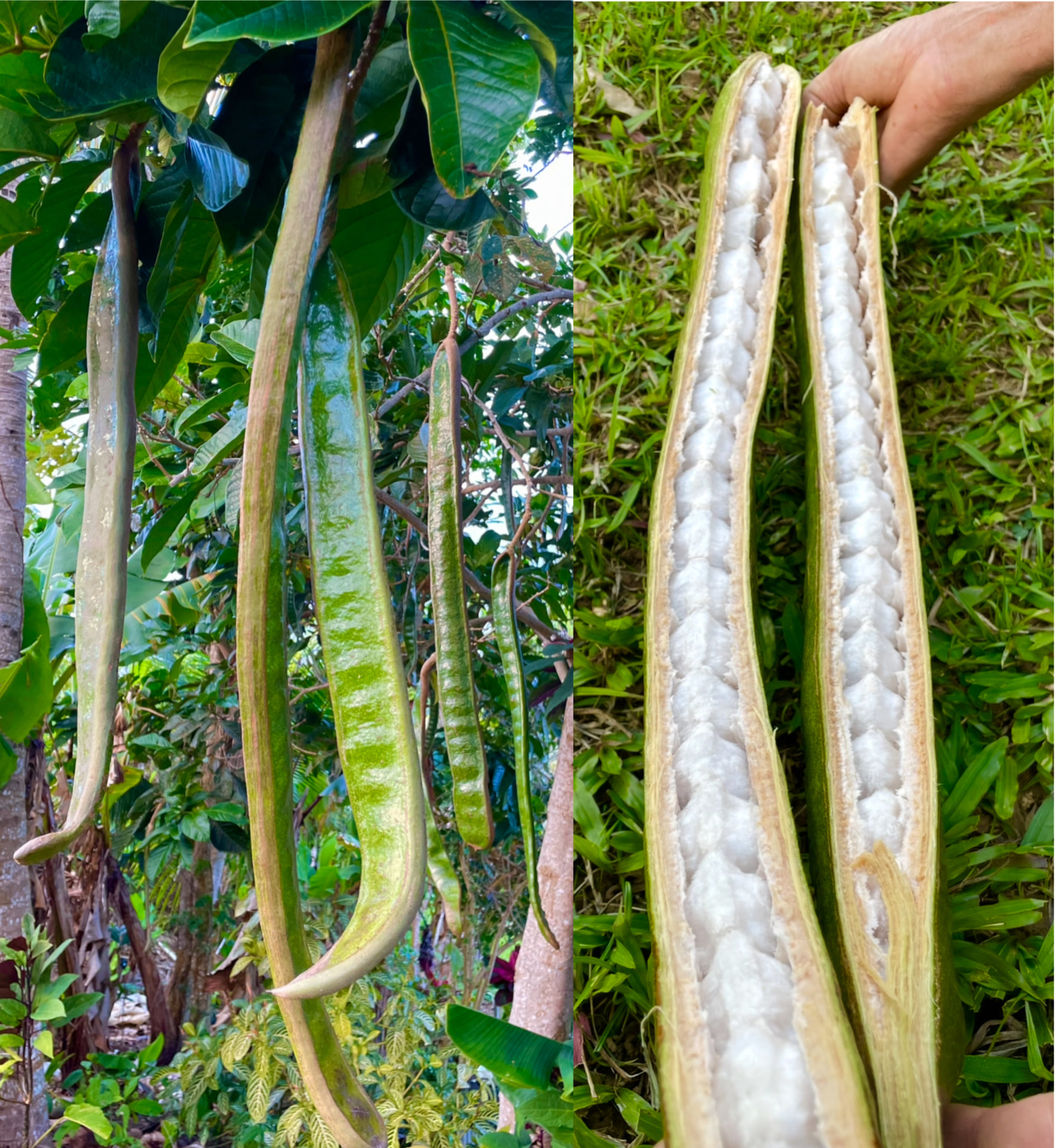
All photographs show Pitanga fruit for reference. You receive one young plant.
Fruit color, flavor, fruiting age and yield are not guaranteed.
A few leaves may drop after shipping as the plant adjusts. This is normal.
First weeks at home
Establishing Your Pitanga
- 1
Unpack promptly
Open the box on arrival and stand the plant upright, handling it by the pot.
- 2
Check moisture
Water thoroughly if dry and let excess drain. Pitanga likes steady moisture but not soggy roots.
- 3
Bright shade first
Rest the plant for several days in bright, indirect light.
- 4
Build up to sun
Increase direct sun over one to two weeks. Established plants fruit best in full sun.
- 5
Pot up in steps
When new growth appears, move to a slightly larger pot with free-draining, slightly acidic mix at the same soil level.
- 6
Feed lightly
Begin gentle, balanced feeding once active growth resumes.
CORRECT ✓
Gradual sun acclimation, free-draining mix, even moisture, and modest pot size increases.
AVOID ✕
Harsh sun on arrival, letting the root ball dry out completely, waterlogging, or burying the stem deeper.
Foliage and Habit
Pitanga forms a dense, twiggy evergreen shrub. Its fine leaves and colored new growth make it attractive even when not in fruit, which is why it is often planted as a hedge.
Growth is moderate rather than explosive, so the plant stays manageable for years in a pot.
Fresh fruit FAQ
Questions about fresh cacao pods
- Is this the same as other 'Brazilian cherry' plants?
- The name is also applied to unrelated plants and timber. This listing is Eugenia uniflora, the ribbed Pitanga or Surinam cherry.
- What color will the fruit be?
- Pitanga fruit ripens orange, red or dark crimson depending on the plant. No specific fruit color is claimed for this plant.
- Can I keep it in a pot?
- Yes. Pitanga grows slowly enough and accepts pruning well, so it is one of the better tropical fruit shrubs for long-term containers.
- When will it fruit?
- Timing depends on growth, light and climate. No fruiting age is guaranteed; a well-grown plant typically needs several years.
Pruning and Branching
Tip-pruning the young leader encourages branching and a fuller plant. Pitanga tolerates regular shaping well; prune lightly after a fruiting flush so you don't remove the next wave of flowers.
Fresh fruit FAQ
Questions about fresh cacao pods
- Is this the same as other 'Brazilian cherry' plants?
- The name is also applied to unrelated plants and timber. This listing is Eugenia uniflora, the ribbed Pitanga or Surinam cherry.
- What color will the fruit be?
- Pitanga fruit ripens orange, red or dark crimson depending on the plant. No specific fruit color is claimed for this plant.
- Can I keep it in a pot?
- Yes. Pitanga grows slowly enough and accepts pruning well, so it is one of the better tropical fruit shrubs for long-term containers.
- When will it fruit?
- Timing depends on growth, light and climate. No fruiting age is guaranteed; a well-grown plant typically needs several years.
Flowers and Fruit
Flowers are borne on current and recent growth, and fruit follows relatively quickly, ripening in a few weeks. Many plants produce more than one flush a year in warm climates.
Pick fruit when it is fully colored and comes away at a light touch; underripe pitanga is noticeably more resinous.
Fresh fruit FAQ
Questions about fresh cacao pods
- Is this the same as other 'Brazilian cherry' plants?
- The name is also applied to unrelated plants and timber. This listing is Eugenia uniflora, the ribbed Pitanga or Surinam cherry.
- What color will the fruit be?
- Pitanga fruit ripens orange, red or dark crimson depending on the plant. No specific fruit color is claimed for this plant.
- Can I keep it in a pot?
- Yes. Pitanga grows slowly enough and accepts pruning well, so it is one of the better tropical fruit shrubs for long-term containers.
- When will it fruit?
- Timing depends on growth, light and climate. No fruiting age is guaranteed; a well-grown plant typically needs several years.
Common Mistakes
- Moving straight into full sun after shipping
- Letting the pot dry out completely
- Heavy, waterlogged soil
- Hard pruning just before flowering
- Over-feeding a newly arrived plant
Fresh fruit FAQ
Questions about fresh cacao pods
- Is this the same as other 'Brazilian cherry' plants?
- The name is also applied to unrelated plants and timber. This listing is Eugenia uniflora, the ribbed Pitanga or Surinam cherry.
- What color will the fruit be?
- Pitanga fruit ripens orange, red or dark crimson depending on the plant. No specific fruit color is claimed for this plant.
- Can I keep it in a pot?
- Yes. Pitanga grows slowly enough and accepts pruning well, so it is one of the better tropical fruit shrubs for long-term containers.
- When will it fruit?
- Timing depends on growth, light and climate. No fruiting age is guaranteed; a well-grown plant typically needs several years.
Why grow it
Why grow Pitanga?
Distinctive deeply ribbed fruit
Ornamental bronze-red new growth
Excellent for containers and hedges
Honest species identification
Free shipping
You may also like
Related products