Seed-Grown vs. Grafted Tropical Fruit Trees: What Buyers Need to Know
Alpha Tropic Seeds · 2026-11-04 · 10 min read
One is a genetic individual, the other a clone on borrowed roots. Understanding how your fruit tree was propagated tells you what to expect from it — and what not to expect.
The short answer
A seed-grown tree is a unique genetic individual: it may differ from its parent in fruit quality and usually needs years of juvenile growth before it can flower. A grafted tree is a clone of a known cultivar joined to a seedling root system, so it reproduces the parent fruit exactly and typically fruits sooner. Neither is universally better — the right choice depends on whether your goal is the growing experience or predictable fruit.
Why Propagation Method Matters
Two mango trees standing side by side in a nursery can look nearly identical while being fundamentally different organisms. One grew from a seed and carries a new, untested combination of genes. The other was grafted — a piece of a mature, proven tree fused onto the roots of a seedling — and will reproduce its parent variety exactly. How a tree was made shapes how long you will wait for fruit, how predictable that fruit will be, and sometimes whether the tree fruits at all.
Neither method is universally superior. Seed-grown trees offer genetic diversity, lower cost, and the genuine satisfaction of raising a tree from the very beginning. Grafted and otherwise vegetatively propagated trees offer predictability and speed. This guide explains the trade-offs honestly, using university extension research, so you can match the plant to your actual goal.
Sexual vs. Asexual Propagation
Horticulturists divide propagation into two categories, as the UF/IFAS tropical fruit propagation guide explains. Sexual propagation is reproduction by seed: a parent plant forms seeds, and the offspring are usually not genetically identical to that parent. Asexual (vegetative) propagation — division, cuttings, air-layering, and grafting — creates plants that are genetically identical to the parent: clones.
This is why named cultivars exist. When a tree produces exceptional fruit, the only way to multiply that exact tree is vegetatively. A 'Carrie' mango or a 'Montgomery' mamoncillo is a clone line, maintained by grafting or similar techniques, and every genuine specimen is genetically the same individual. Seed, by contrast, shuffles the deck every time.
Why Seed-Grown Trees May Differ From Their Parents
A seed is the product of pollination — genes from two parents combined through genetic recombination. Even when a flower is pollinated by the same tree, the resulting embryo carries a reshuffled genome. The seedling that emerges can differ from the parent in fruit size, sweetness, fiber, seed-to-pulp ratio, bearing season, and tree habit. Sometimes the difference is small; sometimes the fruit is better; sometimes it is noticeably worse. The outcome is genuinely unpredictable before the tree fruits.
There are important species-specific exceptions, and absolute statements would be wrong. Mangoes illustrate this well: as the UF/IFAS mango publication describes, polyembryonic mango seeds contain multiple embryos, most of which are genetically identical to the mother tree — so those seedlings come true from seed, and this is a common propagation method in many parts of the tropics. Monoembryonic mango seeds contain a single embryo with genes from both parents, producing a hybrid that will not match the parent. The propagation guide also notes that seed is used when a species has no superior named cultivars, when growing rootstocks, or when a species' seeds naturally produce plants very similar to the parents.
University of Maryland Extension makes the practical point from the buyer's side: a tree grown from the pit of grocery-store fruit has unknown parentage, and because fruit-tree cultivars are bred for specific traits, such seedlings are unlikely to reproduce the fruit you ate. Growing from seed is a worthwhile experiment — just an unpredictable one.
Why Grafted Trees Often Fruit Earlier
A seedling is a juvenile. Before it can flower, it must grow through a juvenile phase — a period of purely vegetative growth that, in many tropical fruit trees, lasts years. The UF/IFAS propagation guide states that a tropical fruit tree grown from seed will usually require many years before it is mature enough to produce fruit, with exceptions such as papaya.
Grafting bypasses most of that wait because the scion — the piece of the desired tree that becomes the new trunk and branches — is taken from wood that is already physiologically mature. The grafted plant does not need to grow up before it can reproduce; as the propagation guide puts it, trees propagated asexually are ready to produce fruit as soon as they are large enough to bear the weight of the fruit. For mango specifically, UF/IFAS reports that grafted trees will begin to bear 3 to 5 years after planting.
Two honest caveats. First, biological maturity is not the same as instant production: a newly planted grafted tree still needs a season or more to establish roots before it carries a meaningful crop. Second, no propagation method comes with a guaranteed fruiting date — weather, soil, care, and pollination all still apply. What grafting changes is the starting point, not the laws of horticulture.
What Rootstocks Actually Do
In a grafted tree, the rootstock is the seedling that contributes the root system; the scion contributes everything above the graft union. A successful graft requires matching the cambium — the active cell layer just beneath the bark — of both pieces so they can fuse, which is why grafting is considered one of the more difficult propagation techniques.
Rootstocks are chosen, not random. A good rootstock provides a vigorous, well-adapted root system for the local soil. UF/IFAS notes, for example, that mango in Florida is commonly grafted onto polyembryonic rootstocks such as 'Turpentine' and unnamed criollo types, which tolerate high-pH soils and produce vigorous, relatively uniform seedlings. Compatibility between scion and rootstock is the first requirement; adaptation and vigor are the usual goals.
What rootstocks do not automatically do is equally important. Not every rootstock confers disease resistance, dwarfing, or salt tolerance — those benefits exist only where a specific rootstock has been selected and verified for them. When a seller claims a rootstock benefit, the fair question is: which rootstock, and verified for what?
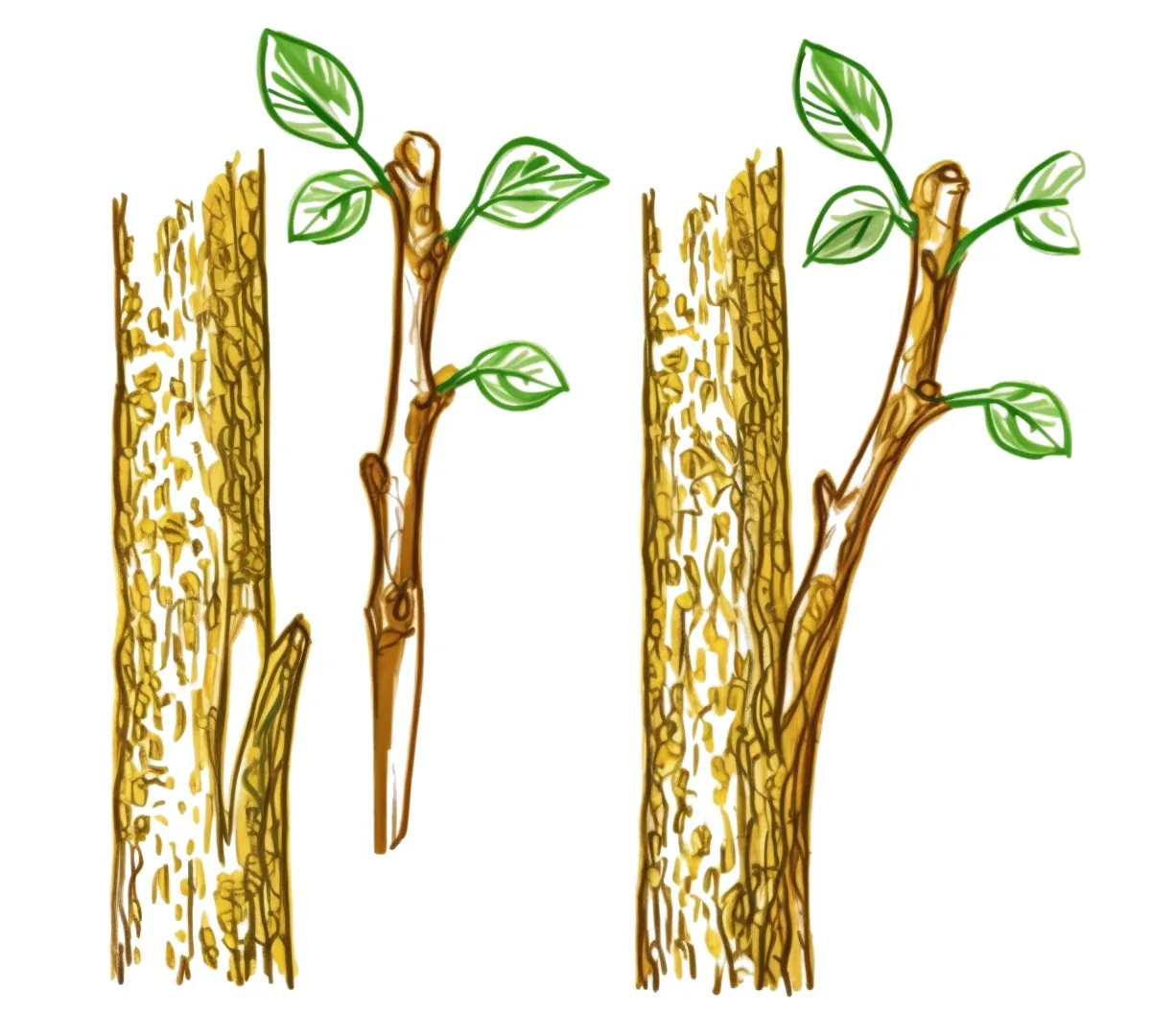
Grafting Is Not the Only Alternative
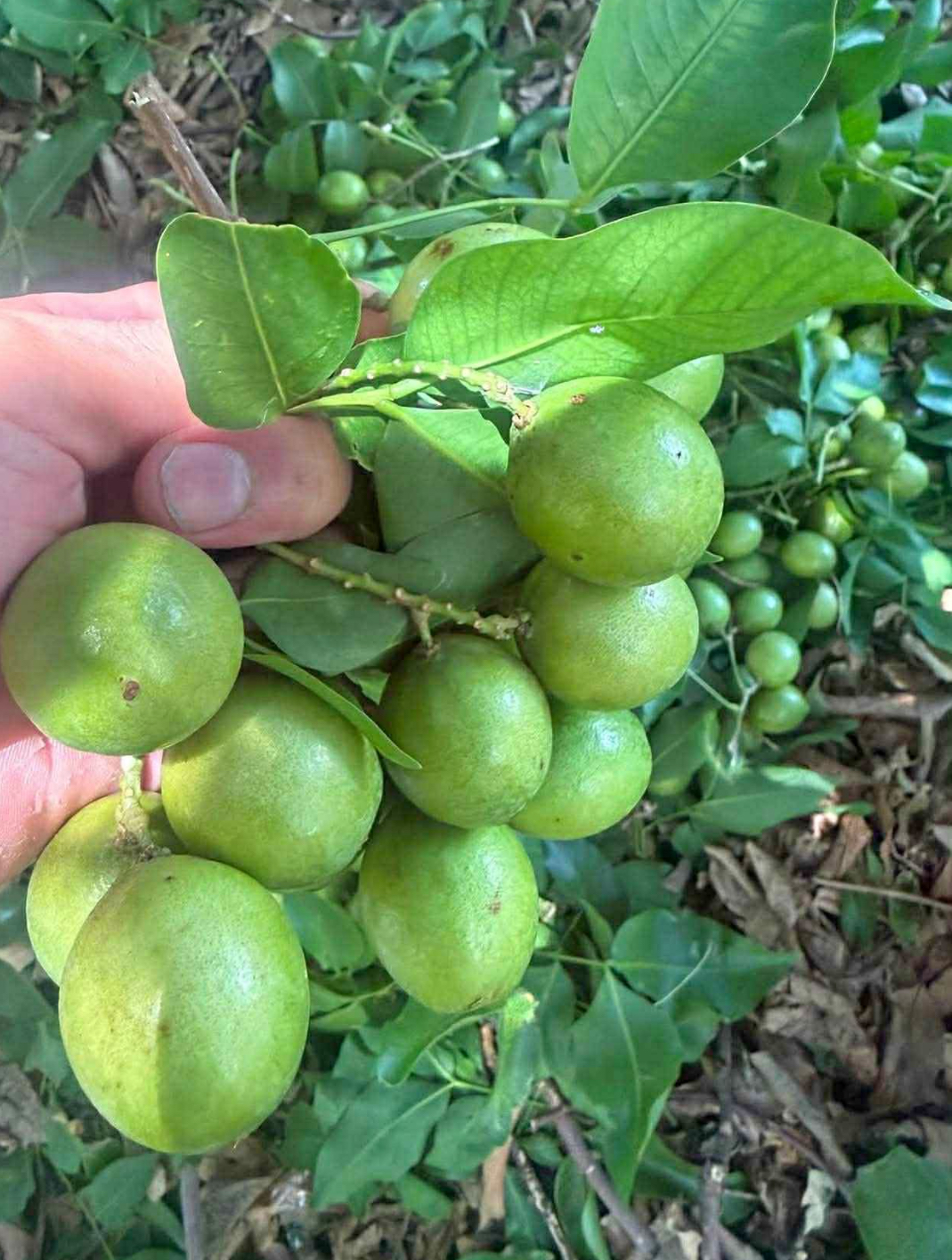
Between seed and grafting sits a family of other vegetative methods, and for many tropical species one of them is the standard. Air-layering (marcottage) roots a branch while it is still attached to the parent tree, giving a high success rate; UF/IFAS lists guavas, caimitos, Spanish limes (quenepa), lychees, and longans as species typically propagated this way. Cuttings work easily for pitaya (dragon fruit) and spondias, though the guide warns that many tropical fruits root weakly from cuttings and eventually topple. Division — separating natural offshoots or pups — is the standard for bananas, plantains, and pineapples.
Species differences matter. Mango and avocado can be air-layered, but the resulting roots are not strong enough to support the tree, so grafting is preferred. Quenepa shows the opposite pattern: it air-layers readily, while grafting and budding are not always successful. There is no single best method — there is a best method per species, and good nurseries choose accordingly.
Real Examples From Tropical Fruit Species
The table below summarizes how five familiar species are typically propagated, based on the UF/IFAS propagation guide and species publications. Fruiting-time notes apply only where the sources state them — they are reported horticultural timeframes, not promises for any individual tree.
| Species | Typical propagation (UF/IFAS) | What seed-grown means |
|---|---|---|
| Mango (Mangifera indica) | Cleft or veneer grafting; chip-budding | Polyembryonic types come true from seed; monoembryonic types do not. Grafted trees bear 3–5 years after planting; seedlings take longer. |
| Quenepa (Melicoccus bijugatus) | Air-layering; grafting not always successful | Does not come true to seed; seedlings may not fruit for 8–10 years, and trees are usually male or female. |
| Guava (Psidium guajava) | Air-layering | Seedlings vary; air-layers preserve the parent's fruit characteristics. |
| Caimito (Chrysophyllum cainito) | Cleft or veneer grafting; air-layering | Seedlings vary; vegetative methods preserve named selections. |
| Papaya (Carica papaya) | Seed | The notable exception: papaya is grown from seed and fruits quickly. Plants may be male, female, or both. |
How to Choose the Right Plant
The propagation method that suits you depends on what you actually want from the tree. Work through these criteria before buying:
- Goal: If you want the growing experience, genetic surprise, or rootstock for your own grafting experiments, seed-grown is ideal. If you want predictable fruit of a known variety, choose a verified vegetatively propagated plant.
- Available space: A seedling of unknown vigor is a gamble in a small yard; a known cultivar on a chosen rootstock is more predictable in size and habit.
- Climate: Match the species — and where relevant the rootstock — to your cold, soil, and drainage conditions.
- Propagation method: Ask how the plant was propagated. A transparent seller will state it plainly in the listing.
- Cultivar identity: A named cultivar should be a clone. If a plant carries a variety name but was grown from seed, the name tells you little.
- Pollination requirements: Some species (quenepa, papaya) have separate male and female plants; a single seedling may never fruit alone.
- Realistic expectations: No honest seller guarantees fruiting dates. Treat any timeline as a planning estimate, not a promise.
What Alpha Tropic Buyers Should Know
Transparency about propagation is part of our catalog policy, so here is exactly how to read our listings. We sell four distinct product types, and each listing states which one it is: ungerminated seeds (you germinate them yourself), germinated seeds (sprouted and ready to pot), seed-grown live plants (young plants raised from seed), and — only where a listing explicitly says so — vegetatively propagated plants.
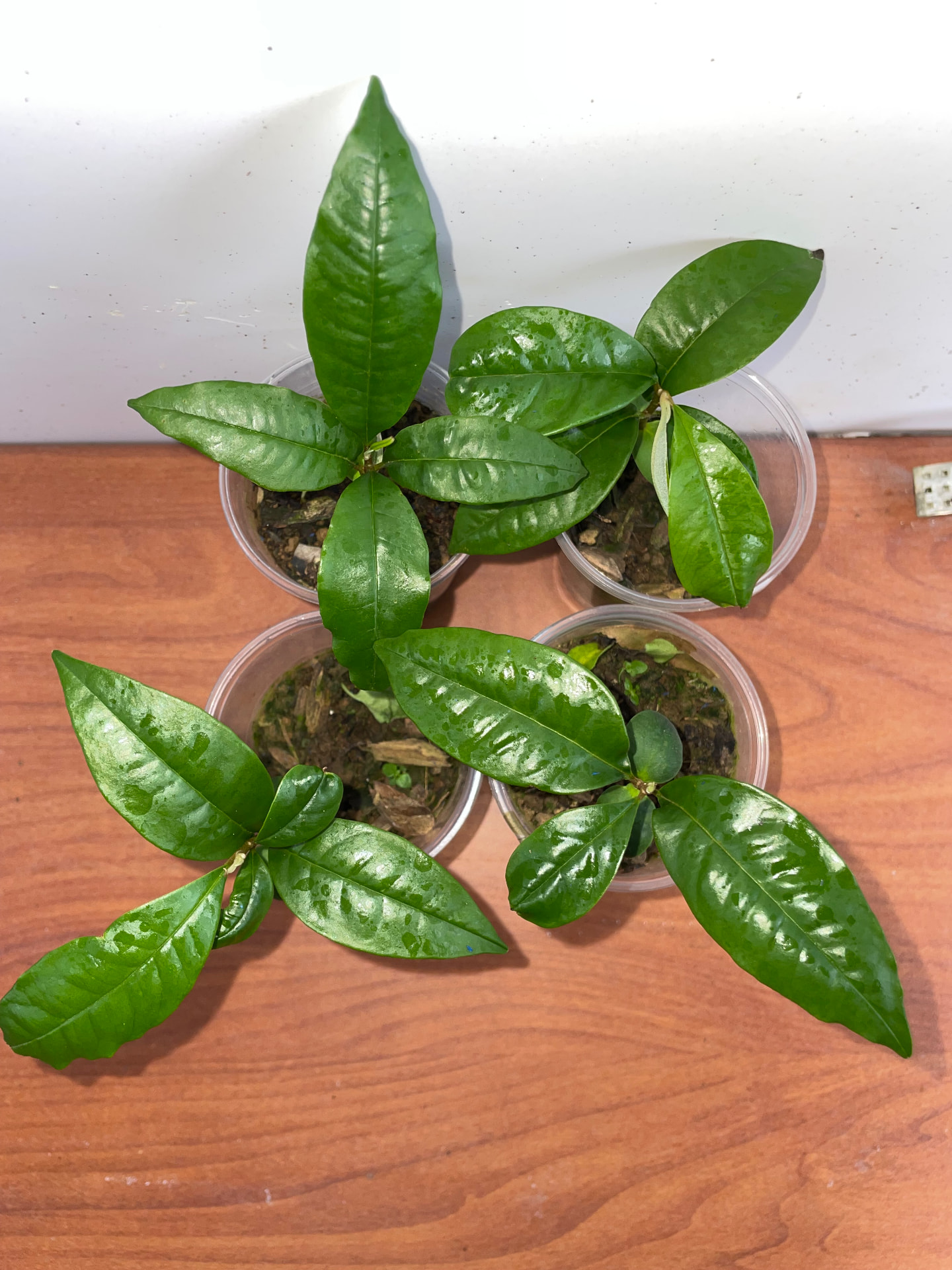
Unless a listing explicitly states otherwise, our live plants are seed-grown. We do not claim any plant is grafted, air-layered, or sex-selected when it is not, and we do not assign cultivar names to seed-grown plants. When you buy a seed-grown tree from us, you are buying exactly what this article describes: a unique individual with unknown fruit characteristics and, for dioecious species like quenepa, an unknown sex.
If you would like to put this knowledge to work, our quenepa live plant and quenepa seeds come with a quenepa growing guide that explains the 8–10 year seedling reality in detail. We also carry pink guava seeds with a guava guide, a caimito live plant with its caimito guide, and papaya plants with a papaya guide — papaya being the fast-from-seed exception discussed above.
Frequently Asked Questions
Do seed-grown fruit trees produce the same fruit as the parent?
Usually not exactly. A seed combines genes from two parents, so the seedling's fruit can differ in size, flavor, and quality. There are exceptions — polyembryonic mango seeds, for example, produce embryos genetically identical to the mother tree — but variation is the rule.
Why do grafted trees often fruit sooner?
The scion is wood from a tree that is already physiologically mature, so the grafted plant skips the long juvenile phase a seedling must grow through. UF/IFAS notes that asexually propagated trees can fruit as soon as they are large enough to bear the weight of the crop, though a newly planted tree still needs time to establish.
What is a rootstock?
The rootstock is the seedling that provides the root system of a grafted tree; the scion, joined to it at the graft union, becomes the trunk, branches, and fruit. Rootstocks are selected for compatibility, vigor, and adaptation to local soils — not automatically for disease resistance or dwarfing.
Can a seed-grown tropical fruit tree produce good fruit?
Yes — many do, and every named cultivar in existence began as a seedling. The issue is not quality but predictability: you cannot know a seedling's fruit characteristics until it fruits, which may take years.
Which tropical fruit trees are commonly air-layered?
According to UF/IFAS, guava, caimito, Spanish lime (quenepa), lychee, and longan are typically propagated by air-layering. Mango and avocado can be air-layered but develop roots too weak to support the tree, so they are grafted instead.
How can I tell whether a plant is seed-grown or grafted?
Look low on the trunk for a graft union — a visible scar, angle, or slight swelling where scion meets rootstock. A seed-grown plant has a single uninterrupted stem from the soil line. When in doubt, ask the seller directly; a transparent nursery will state the propagation method in the listing.
Sources & Further Reading
- Wasielewski, J., and Balerdi, C. — Tropical and Subtropical Fruit Propagation (HS1349), UF/IFAS Extension
Primary source for sexual vs. asexual propagation, grafting and rootstock mechanics, air-layering, cuttings, division, and the per-species propagation table. DOI: 10.32473/edis-hs1349-2019.
- Mango Growing in the Florida Home Landscape (MG216), UF/IFAS Extension
Source for mango polyembryonic vs. monoembryonic seed behavior, grafting methods, rootstocks, and the 3–5 year bearing timeframe for grafted trees.
- Crane, J. H., and Balerdi, C. F. — Mamoncillo (Genip) Growing in the Florida Home Landscape (HS1070/HS310), UF/IFAS Extension
Source for quenepa seedling fruiting time (8–10 years), air-layering, and grafting difficulty.
- University of Maryland Extension — Ask Extension: seed-grown vs. grafted fruit trees
Secondary supporting source on the unpredictability of trees grown from grocery-store fruit pits.
Related growing guides
Available in the catalog
- Quenepa / Mamoncillo Live Plant – Melicoccus bijugatus Tropical Fruit Tree — Melicoccus bijugatus Jacq.
- Pink Guava Seeds – Yellow Skin / Pink Flesh – Psidium guajava — Psidium guajava L.
- Chrysophyllum cainito Live Plant – Caimito / Star Apple — Chrysophyllum cainito L.
- Papaya Live Plant – Carica papaya – 8–10" Young Plant — Carica papaya
Ready to start growing?
Browse fresh tropical seeds and nursery-grown live plants, each with its own growing guide.